Is sushi healthy or junk?

Is Sushi Healthy or Junk?

Introduction

Imagine a dish that embodies the essence of simplicity yet carries an ocean of complexity – that’s sushi for you. In the heart of the United Kingdom, where culinary traditions collide, sushi has emerged as both a trendsetter and a topic of debate. Is sushi a wholesome meal or just another addition to the list of fast-food indulgences? Let’s unravel this enigma together.

  • The Enchanting World of Sushi
  • Nutritional Benefits of Sushi
  • The Other Side of the Sushi Plate
  • Making Smart Sushi Choices
  • Key Takeaways
  • FAQs
  • Conclusion

The Enchanting World of Sushi

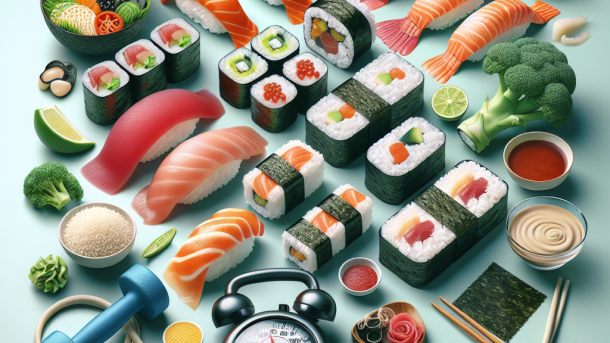
Sushi is a symphony of flavors played on a stage of vinegared rice, adorned with fresh fish, vegetables, and sometimes tropical fruits. It’s not just food; it’s an experience. The delicate balance of textures and tastes has made sushi a beloved option for many British food enthusiasts. But what lies beneath its beautifully crafted exterior?

Nutritional Benefits of Sushi

Sushi can be likened to a treasure chest of nutrients. Rich in omega-3 fatty acids, thanks to the inclusion of fish like salmon and tuna, it offers heart-protective benefits. The seaweed wrapping, known as nori, is a source of iodine and other essential minerals. Moreover, for those watching their calories, sushi presents a relatively low-calorie option compared to other fast foods.

Moreover, the consumption of raw fish in sushi provides a good dose of lean protein without the saturated fats found in red meats. For more insights into nutritious meal planning, you might find our guide on planning balanced meals particularly useful.

The Other Side of the Sushi Plate

However, every rose has its thorn. Some sushi varieties are akin to wolves in sheep’s clothing. The temptation of creamy sauces and fried toppings can transform sushi from a healthy choice into a calorie-dense affair. Additionally, sodium levels can skyrocket due to soy sauce accompaniments.

It’s crucial to remain vigilant about portion sizes and ingredient choices. According to the NHS guidelines, maintaining awareness of sodium intake is essential for holistic health.

Making Smart Sushi Choices

Navigating the sushi menu with wisdom is like steering a ship through the tumultuous seas. Opt for sashimi or nigiri over tempura rolls to maintain the integrity of your health goals. Embrace brown rice as an alternative for an added fiber boost. Consider pairing your sushi with miso soup or edamame for a well-rounded meal.

Key Takeaways

  • Sushi can offer significant health benefits when chosen wisely.
  • Avoid highly processed and fried options to keep it nutritious.
  • Moderation and variety are key in maintaining a balanced diet.

FAQs

Q: Is all sushi considered healthy?

A: Not all sushi is created equal. Opt for simple options like sashimi or nigiri to maximize health benefits.

Q: How often can I eat sushi?

A: As part of a balanced diet, sushi can be enjoyed several times a week, provided choices are low in sodium and high in nutrients.

Q: Can sushi be part of a weight loss diet?

A: Yes, when selecting low-calorie options without heavy sauces and fried elements.

Conclusion

In the tapestry of British dining habits, sushi stands out as both an exotic delight and a dietary conundrum. Like a double-edged sword, it can nourish or hinder based on the choices you make at the table. Embrace the wisdom of mindful eating and let sushi be your ally on the path to health.

For further exploration into healthy dining options, delve into our comprehensive guide on nutrition and healthy eating. Remember, every bite you take is a step towards your journey of wellness.
Is sushi high in sugar?

Is Sushi High in Sugar?

Introduction

The allure of sushi rolls is akin to a well-choreographed ballet—graceful, delicate, and deeply satisfying. But as we indulge in these beautifully crafted pieces of art, a question often tiptoes into our minds: Is sushi high in sugar? Like an unexpected plot twist in a mystery novel, the answer may surprise you. Join us on this culinary journey as we dive into the depths of sushi’s nutritional components and unravel the mysteries surrounding its sugar content.

  • Understanding Sushi and Its Ingredients
  • The Role of Sugar in Sushi
  • Comparing Different Types of Sushi
  • Health Implications of Sugar in Sushi
  • Key Takeaways
  • FAQs About Sushi and Sugar
  • Conclusion

Understanding Sushi and Its Ingredients

Sushi isn’t just about the fish; it’s a symphony of flavors where every ingredient plays its own part, like instruments in an orchestra. At its core, sushi consists of vinegared rice, raw or cooked seafood, vegetables, and sometimes fruits. In the UK, sushi has become a popular cuisine not just for its taste but also for its reputation as a healthier meal choice.

The Role of Sugar in Sushi

Sugar sneaks into sushi primarily through the rice. To achieve that unique tangy flavor, sushi rice is seasoned with vinegar, salt, and yes, a dash of sugar. It’s like adding a touch of magic dust to transform the ordinary into extraordinary. However, the amount of sugar used is typically minimal, making it less of a concern for those keeping an eye on their sugar intake.

For more details on maintaining a balanced diet while enjoying international flavors, check out this insightful [article](https://www.bbcgoodfood.com/howto/guide/balanced-diet) by BBC Good Food.

Comparing Different Types of Sushi

Not all sushi is created equal when it comes to sugar content. For instance, nigiri and sashimi are often lower in sugar compared to sushi rolls, which sometimes include sweet sauces or fruits like mango. Imagine standing before a buffet; each dish offers its own story and nutritional profile.

Health Implications of Sugar in Sushi

While sushi can be a part of a balanced diet, excessive sugar intake can lead to health concerns such as obesity and diabetes. It’s important to consume sushi mindfully, much like savoring a fine wine—appreciating its nuances without overindulgence. The NHS provides guidelines on [sugar intake](https://www.nhs.uk/live-well/eat-well/how-to-cut-down-on-sugar-in-your-diet/) that can help you make informed choices.

Key Takeaways

  • Sushi rice contains a small amount of sugar for flavor enhancement.
  • Nigiri and sashimi tend to have less sugar compared to other types.
  • Mindful consumption of sushi can fit within a healthy diet.

FAQs About Sushi and Sugar

Does all sushi contain sugar?

No, not all sushi contains sugar. Sashimi, for example, does not involve rice and therefore lacks added sugar.

Is sushi bad for diabetics?

Sushi can be consumed by diabetics in moderation, focusing on varieties with lower sugar content like sashimi or nigiri without additional sweet sauces.

Can I make sugar-free sushi at home?

Yes, you can prepare sushi at home using alternatives like brown rice or quinoa and omitting sugar in the seasoning.

Conclusion

As we conclude our exploration into the sugar content of sushi, it’s clear that while there is some sugar involved, the levels are relatively low. Like any indulgence, moderation is key—savor it, relish it, but don’t let it overpower your dietary goals. The world of sushi is vast and varied, much like a garden teeming with diverse flora, offering something unique for every palate.

For more insights on incorporating various foods into a balanced diet, you might find reading [this guide](https://www.nutrition.org.uk/healthy-sustainable-diets/) from the British Nutrition Foundation helpful.

Is it OK to eat sushi daily?

“`html

Is it OK to eat sushi daily?

Introduction

Imagine a world where every bite is a journey across oceans, wrapped in a delicate symphony of flavors. Sushi, the quintessential emblem of Japanese cuisine, has transcended borders, capturing hearts in the United Kingdom and beyond. But with its rise in popularity comes an intriguing question: Is it OK to eat sushi daily? Embark on this culinary exploration as we delve into the health implications, cultural narratives, and nutritional treasures hidden within each sushi roll.

  • The Allure of Sushi: A Culinary Art Form
  • Nutritional Breakdown: What Lies Beneath the Rice?
  • Health Benefits of Eating Sushi Regularly
  • Potential Risks: When Too Much is Too Much
  • A Balanced Approach to Daily Sushi Consumption
  • Key Takeaways
  • FAQs About Sushi Consumption
  • Conclusion: Savoring Sushi with Mindfulness

The Allure of Sushi: A Culinary Art Form

In the vibrant tapestry of global cuisines, sushi stands out like a masterpiece—a fusion of art and taste. Each piece is a canvas where chefs paint with precision, balancing textures and aromas. The story of sushi is interwoven with tradition, yet it evolves with every chopstick lift in modern eateries across the UK. It’s not just food; it’s an experience, an invitation to partake in Japan’s rich heritage.

Nutritional Breakdown: What Lies Beneath the Rice?

Beneath its simple exterior lies a complex blend of nutrients that make sushi both a delight and a powerhouse for the body. From omega-3-rich salmon to vitamin-packed seaweed, sushi offers a medley of health benefits. Consider the humble rice—more than just a filler, it provides energy and complements the protein-rich ingredients. Curious about making your own? Our guide to cooking rice in a microwave can be your starting point.

Health Benefits of Eating Sushi Regularly

  • Omega-3 Fatty Acids: Essential for heart health, these are abundantly present in fish like salmon and tuna.
  • Low Calorie: With its light ingredients and small portions, sushi can be part of a calorie-conscious diet.
  • Antioxidants: Seaweed and ginger provide antioxidants that combat free radicals.

For more comprehensive dietary advice, explore recommendations from the NHS Eat Well Guide.

Potential Risks: When Too Much is Too Much

Yet, as with any indulgence, moderation is key. Consuming sushi daily might lead to mercury exposure from certain types of fish or sodium overload from soy sauce. Balance is crucial—consider varying your seafood choices and opting for low-sodium alternatives. Dive deeper into FDA guidelines on fish consumption to make informed decisions.

A Balanced Approach to Daily Sushi Consumption

Picture a scale where each sushi piece adds weight to one side. To achieve equilibrium, pair sushi with diverse foods to ensure a holistic diet. Incorporate vegetables, grains, and proteins from other sources. Our discussion on crafting balanced meals in the article about meal prep order can guide you further.

Key Takeaways

  • Sushi is a nutritious option but should be consumed mindfully due to potential risks like mercury and sodium intake.
  • A varied diet, incorporating different food groups, enhances overall nutritional balance.
  • Understanding the sourcing and preparation of sushi ensures a safer dining experience.

FAQs About Sushi Consumption

Can I eat sushi while pregnant?

It is advisable to avoid raw fish during pregnancy due to potential pathogens. Refer to the NHS guidelines on foods to avoid during pregnancy.

Is vegetarian sushi healthier?

Vegetarian sushi can be a lower-calorie option with less mercury risk, offering a variety of vitamins through vegetables and fruits.

Conclusion: Savoring Sushi with Mindfulness

Sushi is more than just a meal; it’s an odyssey of flavors that transports you to distant shores, yet calls for thoughtful consumption. By embracing diversity in your diet and savoring each bite with awareness, you can enjoy the best of what sushi has to offer without tipping the scales towards excess. So, next time you find yourself reaching for that chopstick, remember that balance is the secret ingredient to relishing this exquisite dish daily.

“`

Is sushi healthy for weight loss?

Is Sushi Healthy for Weight Loss?

Introduction

Ah, sushi! Just the mention conjures up images of exquisite rolls and the delicate artistry that is synonymous with this revered Japanese delicacy. For those embarking on a weight loss journey, you might wonder—can sushi be your ally or will it derail your efforts? In a world where every bite counts, understanding the role sushi plays in your dietary plan is crucial.

  • The Allure of Sushi: A Culinary Art
  • Nutritional Profile: The Hidden Gems in Sushi
  • Types of Sushi: What to Choose for Weight Loss
  • Potential Pitfalls: Avoiding Caloric Overloads
  • Healthy Sushi Practices: Making Smart Choices
  • Key Takeaways
  • FAQs
  • Conclusion: The Verdict on Sushi and Weight Loss

The Allure of Sushi: A Culinary Art

Sushi is not just food; it’s a masterpiece on a plate. Imagine a painter’s canvas, each roll a brushstroke of color and flavor. With its roots deep in Japanese culture, sushi has transcended borders, becoming a global sensation. But beneath its artful presentation lies a question: Is sushi merely a treat, or can it be incorporated into a healthy diet?

Nutritional Profile: The Hidden Gems in Sushi

Choosing sushi for your meal is like opening Pandora’s box of nutrients. From protein-rich fish like salmon and tuna to fiber-packed vegetables and seaweed, sushi offers a bounty of health benefits. The omega-3 fatty acids found in fish are akin to liquid gold for your heart, while the rice provides energy—a necessary fuel for any dietary regimen. According to the NHS guidelines, balancing these nutrients is key to maintaining a healthy lifestyle.

Types of Sushi: What to Choose for Weight Loss

Not all sushi is created equal. Some rolls are akin to wolves in sheep’s clothing—laden with high-calorie sauces and tempura coatings. Opt for sashimi or nigiri, which offer the purest forms of fish without the calorie-dense additions. Think of them as the sleek sports cars on the sushi highway—efficient and effective.

Potential Pitfalls: Avoiding Caloric Overloads

Beware of the sushi sirens—those enticing options like tempura rolls or those drizzled in spicy mayo. They may seem innocent, yet they pack more calories than you might suspect. It’s vital to steer clear of these traps if weight loss is your destination. Instead, focus on simple rolls with fresh ingredients.

Healthy Sushi Practices: Making Smart Choices

When navigating the vast ocean of sushi options, think strategically. Choose brown rice over white for added fiber, and always pair your meal with a side of edamame or seaweed salad for an extra health boost. Drinking green tea alongside your meal can also aid digestion and enhance the overall experience.

For further guidance on maintaining an optimal diet while enjoying international flavors, explore our comprehensive guide on optimal diet tips.

Key Takeaways

  • Sushi can be beneficial for weight loss if chosen wisely.
  • Avoid high-calorie additions like sauces and fried components.
  • Opt for nutrient-rich options like sashimi and nigiri.
  • Incorporate healthy sides and drinks to complement your meal.

FAQs

Is sushi fattening?

Not inherently; however, certain rolls with high-calorie ingredients can contribute to weight gain if consumed excessively.

Can I eat sushi every day?

While sushi offers many health benefits, moderation is key. Consuming it daily might lead to an imbalance in your diet.

What is the healthiest type of sushi?

Sashimi and nigiri are among the healthiest choices due to their minimal ingredients and high protein content.

Conclusion: The Verdict on Sushi and Weight Loss

Sushi, much like a double-edged sword, has the potential to be both friend and foe. When approached with mindfulness and care, it can indeed complement a weight loss journey. Like any culinary delight, it’s about balance and making informed choices. So next time you’re faced with a platter of sushi, remember—you hold the chopsticks to your destiny.

For more information on incorporating sushi into a balanced diet, consider visiting sources like the reputable BBC Good Food Guide. Their insights provide valuable perspectives on healthy eating habits.

How healthy is sushi?

How Healthy is Sushi?

Introduction

Sushi. The very word conjures images of delicate rolls, vibrant colors, and the artistry of Japanese cuisine. As sushi has made its way from Japan to the tables of the UK, it has become more than just a meal—it’s an experience. But as with all things that glitter, we must ask ourselves: How healthy is sushi? Is it the golden ticket to a balanced diet, or does it harbor hidden pitfalls?

  • The Nutritional Landscape of Sushi
  • Health Benefits of Eating Sushi
  • Potential Health Risks
  • Tips for Enjoying Sushi Healthily
  • Key Takeaways
  • FAQs about Sushi and Health
  • Conclusion

The Nutritional Landscape of Sushi

Sushi is like a symphony of flavors and nutrients, each ingredient playing its part in the orchestra of your meal. Primarily consisting of vinegared rice, raw fish, and vegetables wrapped in seaweed, sushi offers a variety of vitamins and minerals.

Macronutrients and Calories

At its core, sushi provides carbohydrates from rice, proteins from fish, and a sprinkle of fats from both the fish and any accompanying sauces. A typical sushi roll can range between 200 to 500 calories, depending on the ingredients and serving size. When considering calorie intake, it’s important to be mindful of portions—just as in any balanced diet.

Micronutrients Galore

Sushi isn’t just about macronutrients; it’s also a treasure trove of micronutrients. For instance, nori (seaweed) is rich in iodine and vitamin C. Fish provides omega-3 fatty acids, vital for heart health. But as with any story, there’s more beneath the surface.

Health Benefits of Eating Sushi

Let’s set sail on the sea of health benefits that sushi offers. Imagine your body as a ship navigating the turbulent waters of daily life. The right fuel keeps you moving forward smoothly.

A Heart-Friendly Choice

The omega-3 fatty acids found in sushi’s fish are like lighthouses guiding your heart through stormy seas. These essential fats are known to reduce inflammation and lower blood pressure, contributing to heart health.

A Source of Essential Nutrients

Sushi is a gem for those seeking an array of vitamins and minerals. Vitamin D in fish supports bone health, while antioxidants in vegetables combat free radicals. Eating sushi is akin to giving your body a well-rounded multivitamin.

Potential Health Risks

However, even the most beautiful roses have thorns. While sushi offers numerous benefits, it should be approached with awareness.

Mercury Levels Concerns

Certain types of fish used in sushi, such as tuna, may contain higher levels of mercury. It’s crucial to consume these fish in moderation to avoid potential health issues. Think of it as walking on a tightrope—balance is key.

Risk of Foodborne Illnesses

The freshness of sushi is its charm but also its vulnerability. If not prepared or stored correctly, sushi can harbor bacteria like Salmonella or parasites such as tapeworms. Trustworthy sources and proper handling are your anchors against these risks.

Tips for Enjoying Sushi Healthily

Just as a seasoned sailor knows how to navigate rough waters, here are some tips to savor sushi safely:

  • Choose Wisely: Opt for rolls with a higher vegetable-to-rice ratio.
  • Mind the Mercury: Limit consumption of high-mercury fish like tuna.
  • Check Reputable Sources: Ensure your sushi is prepared by certified professionals.
  • Watch Portions: Balance sushi with other nutritious foods throughout the day.

Key Takeaways

Sushi can be a delightful addition to a balanced diet if consumed with mindfulness. Its rich tapestry of nutrients offers health benefits, yet potential risks should not be overlooked. By choosing wisely and being informed, sushi can continue to be a cherished dining experience.

FAQs about Sushi and Health

Q: Is sushi safe to eat during pregnancy?

A: Pregnant women should avoid raw fish due to potential bacteria and parasites. However, cooked options like eel or tempura rolls are safer alternatives.

Q: How often can I eat sushi?

A: Moderation is key. Enjoying sushi once or twice a week is generally safe for most people.

Conclusion

In the grand buffet of life, sushi stands out as a flavorful choice that dances between indulgence and nutrition. It’s like a delicate haiku—simple yet profound when savored with intention. So next time you reach for those chopsticks, remember that understanding the balance between benefits and risks will ensure your culinary journey remains both delightful and healthy.

For more insights into making healthy food choices, you might find inspiration in resources offered by the NHS. Also, explore strategies for maintaining a balanced diet at BBC Good Food.

Is sushi haram in Shia?

Is Sushi Haram in Shia?

Introduction

Picture this: a beautifully crafted sushi roll, an inviting blend of colors and textures, sitting delicately on your plate. It’s a feast for the eyes and the taste buds. But for those who follow Shia Islam, a question arises amidst this culinary artistry: is sushi haram? This question takes us on a journey through the rich tapestry of religious teachings, cultural nuances, and dietary laws that guide the Shia community.

  • Understanding Halal and Haram
  • The Role of Seafood in Shia Dietary Laws
  • Cultural Influences on Food Choices
  • Modern Interpretations and Opinions
  • Key Takeaways
  • FAQs
  • Conclusion

Understanding Halal and Haram

In the vast ocean of Islamic jurisprudence, two guiding lights shine brightly: halal and haram. These terms are more than mere labels; they are the compass by which faithful Muslims navigate their daily lives. To comprehend whether sushi falls under the banner of haram, we must first understand these concepts.

The word “halal,” meaning permissible, encompasses all that aligns with Islamic law. Conversely, “haram” signifies what is forbidden. For Shia Muslims, these distinctions are deeply rooted in the teachings of the Quran and the Hadith, serving as the moral backbone for dietary choices.

The Role of Seafood in Shia Dietary Laws

As we delve deeper into the ocean of Islamic dietary laws, like seasoned fishermen casting nets, we seek to capture the essence of the rules governing seafood consumption in Shia Islam. While Sunni Muslims generally consider all seafood to be halal, the Shia perspective is more nuanced.

Shia scholars often turn to the teachings of revered imams and religious texts to determine what sea creatures are permissible. Typically, fish with scales are considered halal, while those without scales are deemed haram. This distinction plays a crucial role in the sushi debate.

Cultural Influences on Food Choices

Food is not just sustenance; it’s a cultural tapestry woven with threads of tradition, identity, and belief. As we sit at the table of life, sharing meals with family and friends, our food choices are influenced by a myriad of factors beyond religion alone.

Shia communities around the world bring their unique cultural flavors to the sushi question. In some regions, sushi has been embraced as a modern culinary delight, while others approach it with caution due to religious interpretations.

Modern Interpretations and Opinions

In today’s interconnected world, the lines between cultures blur like watercolor on canvas. This is reflected in the diverse opinions within the Shia community regarding sushi. Some scholars argue for a more lenient approach, considering certain types of sushi to be halal if prepared correctly.

For instance, sushi made with fish that have scales and are caught following ethical practices may be deemed permissible. However, other interpretations remain strict, adhering closely to traditional guidelines.

Key Takeaways

  • Halal and haram are central to understanding dietary laws in Islam.
  • Shia dietary laws typically allow fish with scales but prohibit those without.
  • Cultural influences shape individual and communal food choices.
  • Diverse opinions exist within the Shia community regarding sushi’s permissibility.

FAQs

Is all seafood considered halal in Shia Islam?

No, only fish with scales are generally considered halal in Shia Islam.

Can sushi be halal if prepared a certain way?

Yes, if sushi is made with halal ingredients and adheres to Shia dietary laws, it may be permissible.

What role does culture play in determining whether sushi is haram?

Cultural influences can shape personal and communal interpretations of religious dietary laws.

Conclusion

The question of whether sushi is haram in Shia Islam is a nuanced one, much like the intricate layers of a sushi roll itself. It invites us to explore not only religious teachings but also cultural influences and modern interpretations. As you ponder this question over your next meal, remember that food is more than sustenance; it’s a narrative that connects us to our faith and heritage. For further exploration into how such narratives unfold across different cultures, consider reading about Islam’s cultural impact. Let this be an invitation to savor not just the flavors on your plate but also the rich tapestry of beliefs that flavor our world.

Who is the owner of sushi daily?

Who is the owner of Sushi Daily?

Introduction

In the bustling world of sushi, where flavors are an orchestra and presentation is a work of art, one name stands out: Sushi Daily. But who orchestrates this symphony? Who holds the baton that conducts the delicate dance of rice and fish into a masterpiece on your plate? Let us embark on a savory journey to uncover the owner behind this culinary wonder, tracing the roots and wings of Sushi Daily’s incredible success across the UK.

  • The Origin Story
  • Meet the Visionary
  • The Rise of Sushi Daily in the UK
  • Sushi Daily’s Philosophy
  • Key Takeaways
  • FAQs
  • Conclusion

The Origin Story

Every renowned brand has a humble beginning, much like a tiny seed that grows into a towering tree. The roots of Sushi Daily can be traced back to a single vision, a passion for authenticity, and an unwavering commitment to quality. But what was the spark? How did a simple idea blossom into a beloved brand cherished by sushi enthusiasts across the UK?

Meet the Visionary

At the heart of Sushi Daily is its founder and owner, Kelly Choi. Her story is one of courage and dedication, a tale woven with threads of inspiration drawn from her love for traditional Japanese cuisine. She envisioned a place where fresh ingredients and skilled craftsmanship meet to create sushi that not only delights the palate but also tells a story. Kelly’s passion paved the way for countless sushi counters that now grace supermarkets and stores throughout Europe.

The Rise of Sushi Daily in the UK

Imagine walking through your local supermarket, when suddenly, the aroma of freshly prepared sushi fills the air, drawing you in like a siren’s call. This is the allure of Sushi Daily. With over 700 kiosks spread across Europe, their presence in the UK is nothing short of phenomenal. They have captured the hearts and taste buds of many, offering a variety of sushi that caters to diverse palates while maintaining an unwavering standard of quality.

For those wanting to dive deeper into Kelly Choi’s innovative strategies and how she brought Sushi Daily to life, explore our detailed insight on BBC’s business review on Sushi Daily.

Sushi Daily’s Philosophy

Like a wise sage imparting wisdom, Sushi Daily upholds a philosophy that balances tradition and innovation. Their mission is not just to serve sushi but to create an experience. Each piece of sushi is crafted with precision, embodying a harmony of flavors that reflect both time-honored techniques and modern tastes.

To learn more about sustainable practices in sushi preparation, refer to guidelines provided by FishWatch.

Key Takeaways

  • Sushi Daily was founded by Kelly Choi, whose vision and passion have made it a household name.
  • The brand has established over 700 kiosks across Europe, with a significant presence in the UK.
  • Sushi Daily combines traditional Japanese techniques with contemporary tastes to provide a unique dining experience.

FAQs

Who owns Sushi Daily?

Sushi Daily is owned by Kelly Choi, a visionary entrepreneur dedicated to bringing quality sushi experiences to Europe.

Where can I find Sushi Daily kiosks in the UK?

You can find Sushi Daily kiosks in various supermarkets and stores across the UK, making fresh sushi accessible and convenient.

What makes Sushi Daily unique?

Their commitment to blending traditional craftsmanship with modern flavors creates an unparalleled sushi dining experience.

Conclusion

On this flavorful journey through Sushi Daily’s origin and rise, we’ve discovered more than just who owns it; we’ve uncovered a story of passion, vision, and culinary excellence. Much like a perfectly rolled sushi piece, every aspect of Kelly Choi’s creation speaks to quality and dedication. Next time you savor a piece from Sushi Daily, remember the tale behind it—a story that began with a dream and continues to delight millions today.

For more insights into successful food business stories, consider exploring resources like Forbes’ guide on creating a successful food business.

Which country consumes the most sushi?

Which country consumes the most sushi?

Introduction

Sushi—a delightful culinary symphony of fresh fish, vinegared rice, and artistic presentation—has taken the global gastronomic stage by storm. But have you ever wondered which country holds the crown for consuming the most sushi? Is it Japan, the birthplace of this exquisite dish, or has another nation embraced this cultural delicacy with open arms? In this article, we embark on a flavorful journey to uncover the truth behind sushi consumption, focusing on the United Kingdom’s growing appetite for this Japanese staple.

  • Understanding Sushi: A Brief History
  • Global Sushi Consumption: A Culinary Contest
  • The UK’s Love Affair with Sushi
  • The Future of Sushi in the UK
  • Key Takeaways
  • FAQs about Sushi Consumption
  • Conclusion

Understanding Sushi: A Brief History

Like an artist wielding a brush, sushi chefs craft each roll with precision and passion. Originating from Japan during the Edo period, sushi was initially a method of preserving fish through fermentation. Over time, it evolved into the fresh, vibrant dish we know today. This metamorphosis parallels the transformation of a caterpillar into a butterfly, captivating taste buds across continents.

Global Sushi Consumption: A Culinary Contest

When it comes to devouring sushi, Japan naturally leads the pack. However, as sushi’s popularity spreads like a tidal wave across the globe, other countries have begun to show impressive consumption levels. The United States and Brazil are notable contenders, but Europe is not far behind. In particular, the UK’s love for sushi has surged in recent years. According to recent data, [insert reputable source], approximately 40% of Brits enjoy sushi regularly, making it a staple in their diverse culinary landscape.

The UK’s Love Affair with Sushi

In the UK, sushi is no longer confined to high-end restaurants; it has become a commonplace offering in supermarkets and even street stalls. Picture London as a bustling metropolis where sushi rolls out its red carpet—an aromatic blend of tradition and innovation. Chains like Yo! Sushi and Itsu have sprouted across cities like cherry blossoms in spring, catering to a nation that craves convenience without compromising quality. But what fuels this burgeoning love affair?

  • Health Consciousness: With its low-calorie content and rich omega-3 fatty acids, sushi appeals to health-conscious individuals seeking nutritious yet delicious meals.
  • Cultural Curiosity: The British palate is increasingly adventurous, eager to explore new flavors and culinary traditions.
  • Accessibility: The availability of sushi in diverse settings—from supermarket shelves to office canteens—fuels its widespread popularity.

The Future of Sushi in the UK

As we gaze into the crystal ball of culinary trends, it’s clear that the UK’s appetite for sushi is poised to grow. Like a river carving its path through stone, innovation will shape its future. Expect to see more plant-based alternatives and fusion dishes that marry British ingredients with traditional Japanese recipes. As sustainability becomes a priority, initiatives such as sourcing locally caught fish will further endear sushi to eco-conscious consumers.

For further reading on sustainable practices in food consumption, visit the Sustain website.

Key Takeaways

  • Sushi’s origins lie in Japan, but its global popularity is undeniable.
  • The UK has emerged as a significant consumer of sushi, driven by health trends and cultural curiosity.
  • The future of sushi in the UK points towards innovation and sustainability.

FAQs about Sushi Consumption

Is sushi popular in the UK?

Yes, sushi has become increasingly popular in the UK, with many Brits enjoying it as part of their regular diet.

What makes sushi appealing?

Sushi’s appeal lies in its combination of health benefits, unique flavors, and cultural novelty.

Will sushi continue to grow in popularity?

Given current trends, it’s likely that sushi will continue to grow in popularity, especially with innovations catering to health and sustainability.

Conclusion

In conclusion, while Japan remains the reigning champion of sushi consumption, countries like the UK are rapidly catching up. The British embrace of this delicate dish reflects not only an appreciation for global cuisine but also a burgeoning trend towards healthier eating habits. As we savor each bite of this culinary masterpiece, let’s raise our chopsticks to the continued evolution of sushi culture in the UK. Who knows what exciting flavors and innovations lie ahead?

If you’re interested in exploring more about global food trends and cultural influences on dining habits, check out BBC Food.

What are the differences in sushi?

What are the differences in sushi?

Introduction

Imagine walking into a vibrant sushi bar; the air is filled with the aroma of fresh fish, vinegared rice, and the subtle fragrance of seaweed. As you take your seat, a parade of colorful dishes begins to unfold before your eyes, each piece a tiny work of art. But what exactly sets these variations apart? Welcome to the enchanting world of sushi, where every bite tells a story.

  • The Origins of Sushi: A Journey Through Time
  • Unveiling the Types of Sushi
  • Nigiri: The Handcrafted Elegance
  • Sashimi: Pure and Unadulterated Flavors
  • Maki Rolls: The Symphony of Ingredients
  • Beyond the Basics: Other Sushi Varieties
  • Key Takeaways
  • Frequently Asked Questions (FAQ)
  • Conclusion: A Culinary Adventure Awaits

The Origins of Sushi: A Journey Through Time

The roots of sushi stretch back over a thousand years, originating as a means of preserving fish in fermented rice. This ancient technique evolved over centuries, transforming into the exquisite culinary experience we savor today. Much like a tapestry woven through time, sushi reflects Japan’s rich cultural heritage.

Unveiling the Types of Sushi

As diverse as the landscapes of Japan itself, sushi comes in an array of styles, each boasting distinct flavors and textures. Let us embark on a journey to unravel the mysteries behind these delectable creations.

Nigiri: The Handcrafted Elegance

Nigiri sushi is often considered the epitome of simplicity and elegance. Picture an artist meticulously shaping vinegared rice into small oblong mounds, then adorning them with slices of fresh fish or seafood. Each piece is a delicate balance of texture and taste, crafted with precision and care. Learn more about the intricacies of nigiri in our article on Wikipedia.

Sashimi: Pure and Unadulterated Flavors

Sashimi is not technically sushi but deserves mention due to its prominence in Japanese cuisine. It is the art of serving raw fish sliced with precision and finesse. Imagine tasting the ocean’s essence in its purest form—a symphony of flavors that dance on your palate. Discover more about sashimi at this detailed resource from the Japanese National Tourism Organization.

Maki Rolls: The Symphony of Ingredients

Maki rolls are a delightful fusion of ingredients rolled together within sheets of nori (seaweed). They offer a burst of flavors and textures, each bite an explosion of creativity on your taste buds. With varieties ranging from simple cucumber rolls to elaborate dragon rolls, maki showcases the versatility and vibrancy of sushi.

Beyond the Basics: Other Sushi Varieties

The world of sushi extends beyond nigiri, sashimi, and maki. Delight in lesser-known types such as temaki (hand rolls), uramaki (inside-out rolls), and chirashi (scattered sushi). Each variety offers a unique perspective on sushi-making, inviting you to explore further.

Key Takeaways

  • Sushi is a versatile culinary art form with deep historical roots.
  • Nigiri focuses on simplicity and craftsmanship.
  • Sashimi highlights the purity and freshness of fish.
  • Maki rolls offer a creative blend of flavors and textures.
  • Explore beyond the basics for a complete sushi experience.

Frequently Asked Questions (FAQ)

What are the most popular types of sushi?

Nigiri, sashimi, and maki are among the most popular types of sushi, each offering unique flavors and presentations.

Is sashimi considered sushi?

While sashimi is often served alongside sushi, it is not technically sushi since it does not include rice.

How do I know if sushi is fresh?

Fresh sushi should have a clean, oceanic aroma without any fishy smell. The fish should appear vibrant and glossy.

Conclusion: A Culinary Adventure Awaits

Sushi is more than just food; it is a journey through culture, history, and artistry. Each piece tells a story—a narrative skillfully shaped by the hands that crafted it. Whether you’re indulging in nigiri’s elegant simplicity or savoring sashimi’s pure flavors, sushi invites you to explore its depths and discover its secrets. So why not embark on your culinary adventure today?

For those who wish to delve deeper into global cuisines or explore new culinary experiences, consider visiting reputable sites like BBC Food or Food Network. Let these resources guide you through a world of flavors waiting to be discovered.

Why is sushi very expensive?

Why is Sushi Very Expensive?

Introduction

In the bustling streets of London or the quaint corners of Edinburgh, sushi restaurants have become synonymous with high-class dining. But what makes these delicate morsels of Japanese cuisine so costly? Is it the pristine slices of fish, the skilled hands crafting each piece, or perhaps the exotic allure of its cultural roots? Dive into the depths of this culinary ocean as we unravel the enigma of why sushi is very expensive.

  • The Art of Sushi Making
  • Quality Ingredients: The Heart of Sushi
  • Sourcing and Sustainability
  • Location and Ambiance
  • Key Takeaways
  • FAQs about Sushi Pricing
  • Conclusion

The Art of Sushi Making

Imagine a painter with a blank canvas. Similarly, a sushi chef stands before a cutting board, transforming raw ingredients into art. The journey to becoming an accomplished sushi chef is arduous and lengthy, often compared to training for a black belt in martial arts. In Japan, aspiring chefs undergo years of rigorous training before they are permitted to prepare sushi rice or wield a knife over delicate fish.

This dedication to craft is akin to a composer perfecting a symphony—each note, or in this case, piece of sushi, must be flawless. This level of expertise ensures that every bite is a masterpiece, justifying the premium price tag associated with it. For more insights on such meticulous culinary art, you might find parallels in the world of fine dining.

Quality Ingredients: The Heart of Sushi

At the core of sushi’s allure are its ingredients—freshness and quality unmatched by many other cuisines. Sourcing these exquisite components is no small feat. From the buttery richness of Bluefin tuna to the distinct sweetness of uni (sea urchin), each ingredient boasts a story of its own.

Consider the journey of a single salmon. It begins in the icy waters of Scotland, meticulously raised to ensure pristine quality. This salmon then travels across oceans, ensuring it arrives at your plate fresher than a morning dew. Such meticulous sourcing parallels the care taken in producing vintage wines or aged whiskies, requiring both time and investment.

Sourcing and Sustainability

With great luxury comes great responsibility. The demand for premium sushi has pressured ecosystems worldwide, particularly with species like Bluefin tuna facing endangerment. Thus, reputable restaurants often prioritize sustainability, adhering to guidelines set by authorities like governmental agencies to ensure responsible sourcing.

This commitment not only adds to the cost but also ensures that we can continue enjoying these delicacies for generations to come—a worthy investment indeed.

Location and Ambiance

The setting of a sushi restaurant plays a pivotal role in its pricing. Picture yourself in a serene sushi bar adorned with bamboo accents and soft lantern light—a slice of Tokyo nestled within the heart of Manchester. Creating such an authentic ambiance requires investments in décor, location, and staff trained in traditional Japanese hospitality.

Moreover, prime locations in major cities naturally demand higher rents, further elevating costs. This is akin to owning a piece of prime real estate; location significantly influences value. To explore more about how location influences cost, consider reading about property prices in urban centers.

Key Takeaways

  • Sushi’s expense reflects the skill and artistry involved in its preparation.
  • Premium quality ingredients sourced globally contribute significantly to costs.
  • Sustainability efforts ensure ethical consumption but add to expenses.
  • Location and ambiance are crucial cost factors, much like real estate.

FAQs about Sushi Pricing

Why is sushi more expensive than other foods?

Sushi involves high-quality ingredients and skilled preparation, driving up costs compared to simpler dishes.

Are there affordable sushi options?

Yes, many supermarkets and casual dining spots offer budget-friendly varieties, though they may lack the premium ingredients found in high-end establishments.

Conclusion

Sushi is not merely food; it’s an experience—a harmonious blend of tradition, taste, and technique. Its price reflects not just the dish itself but the legacy and labor behind it. As you savor each bite, remember the journey from ocean to plate, crafted by artisans dedicated to their culinary heritage.

For those intrigued by other aspects of global cuisines and their intricacies, exploring articles on Japanese cuisine can provide broader context and appreciation for this timeless art form.

What country is sushi popular in?

What Country is Sushi Popular In?

Introduction

In a world brimming with culinary delights, few dishes have transcended borders and palates like sushi. This humble yet intricate blend of rice, fish, and vegetables has captured the hearts of many, like a timeless sonnet passed down through generations. But where exactly does sushi find its most ardent admirers? And why has it become so beloved in the United Kingdom? Let us embark on a savory journey to explore these questions.

  • The Origins of Sushi
  • Sushi’s Journey Across the Globe
  • The Rise of Sushi in the UK
  • Why Sushi Appeals to the British Palate
  • Key Takeaways
  • FAQs About Sushi
  • Conclusion

The Origins of Sushi

Like a melody that lingers long after the concert ends, sushi’s origins are rooted deep in history. Originating from Southeast Asia over a millennium ago, sushi was initially a method of preserving fish in fermented rice. Through time, this practice evolved in Japan during the Edo period, transforming into the fresh and flavorful sushi we relish today. It’s akin to watching an artist perfect their craft over years until every stroke is pure magic.

Sushi’s Journey Across the Globe

Sushi spread its wings beyond Japan like a migratory bird seeking new horizons. The late 20th century saw sushi being embraced by the world, especially in cosmopolitan cities. Imagine a tapestry woven with threads from Tokyo to London, each strand representing the love and creativity infused into this culinary marvel. In particular, cities like New York paved the way for sushi to become a global phenomenon.

The Rise of Sushi in the UK

The UK has long been a melting pot of cultures and cuisines, and sushi found fertile ground amidst this diversity. The British fondness for adventure and new experiences made sushi an enticing choice. The rise of sushi chains and gourmet establishments across the UK tells a tale of a nation that has opened its arms wide to this Japanese delicacy. Curious about how you can integrate such diverse tastes into your life? Check out our insights on BBC’s guide to Japanese cuisine.

Why Sushi Appeals to the British Palate

Why has sushi captivated the British taste buds so thoroughly? It might be due to its delicate balance of flavors and textures—like reading a novel that keeps you turning pages. Sushi offers a unique culinary experience that aligns with the UK’s growing interest in health-conscious and sustainable food options. Additionally, sushi’s presentation is often considered an art form, resonating with those who appreciate both beauty and taste.

Key Takeaways

  • Sushi originated in Southeast Asia and evolved significantly in Japan.
  • The dish has become a global sensation, beloved in various countries.
  • The UK has seen significant growth in sushi’s popularity due to cultural openness and a trend towards healthy eating.

FAQs About Sushi

Is sushi safe to eat regularly?

Yes, provided that it is prepared with fresh ingredients and proper hygiene practices are followed. For more on safe consumption, refer to Food Standards Agency guidelines.

What are some popular types of sushi in the UK?

Nigiri, sashimi, and maki rolls are particularly favored among UK residents, reflecting a preference for both traditional and innovative flavors.

Conclusion

In conclusion, sushi’s journey from ancient preservation technique to modern culinary art is nothing short of remarkable. Its rise in the UK is testament to the nation’s evolving palate and embrace of diverse cultures. As with any great journey, the story of sushi continues to unfold, inviting us all to savor its chapters. Whether you’re a seasoned sushi lover or new to its charms, remember that each bite connects you to a rich tapestry of history and tradition.

For those interested in further exploring global cuisines and cultural culinary revolutions, feel free to visit [our blog](http://blogstorm-blog.local/). Dive into a world where taste knows no boundaries!

How does sushi daily work?

How does Sushi Daily work?

Introduction

The art of sushi-making is akin to painting on a canvas, where each ingredient is a stroke of color and every roll tells a story. Imagine this exquisite art brought to life daily at Sushi Daily outlets across the United Kingdom. But how does Sushi Daily operate with such precision and flair, ensuring that every bite is a symphony of flavors? In this article, we will unravel the mystery behind Sushi Daily’s operations, from sourcing fresh ingredients to delivering unparalleled customer experiences.

  • The Philosophy of Sushi Daily
  • Fresh Ingredients: The Heart of Sushi
  • Mastering the Craft: Skilled Artisans at Work
  • Customer Experience: A Voyage of Taste
  • Key Takeaways
  • FAQs: Your Questions Answered
  • Conclusion

The Philosophy of Sushi Daily

At the core of Sushi Daily lies a simple yet profound philosophy: to offer an authentic Japanese culinary experience while embracing local flavors. Much like the harmonious blend of soy sauce and wasabi, Sushi Daily marries tradition with innovation, creating a dining experience that feels both familiar and exciting. This philosophy isn’t just a mission statement; it’s a promise upheld by every chef and employee.

Fresh Ingredients: The Heart of Sushi

Sourcing Quality Ingredients

Every piece of sushi is only as good as its components—much like a symphony relies on each instrument to create music. Sushi Daily meticulously selects its ingredients, ensuring they are fresh, sustainable, and locally sourced whenever possible. This commitment to quality is akin to a gardener tending to their blooms, nurturing them to perfection before presenting them to the world.

For more information on sustainable sourcing practices, visit the UK government’s guidelines on sustainable development.

The Role of Rice and Fish

The rice used at Sushi Daily is not just cooked; it is crafted. Each grain is treated with care, achieving the perfect texture and flavor balance. Similarly, the fish—whether salmon, tuna, or eel—is selected for its freshness and taste, ensuring that every bite is a dive into the ocean’s bounty. For those curious about the nutritional value of fish, the NHS provides excellent resources on fish nutrition.

Mastering the Craft: Skilled Artisans at Work

Behind each sushi counter stands a skilled artisan, much like a maestro conducting an orchestra. These chefs are trained extensively in the art of sushi-making, each one a master of their craft. Their hands move with the grace of a dancer, transforming raw ingredients into edible masterpieces. It is this dedication to craft that elevates Sushi Daily beyond the ordinary.

Customer Experience: A Voyage of Taste

Stepping into a Sushi Daily outlet is akin to embarking on a culinary voyage. Customers are greeted with the tantalizing aroma of freshly prepared sushi, each roll a ticket to flavor paradise. The atmosphere is welcoming yet vibrant, designed to enhance the sensory experience of each visitor.

To ensure maximum satisfaction, Sushi Daily employs customer feedback systems similar to those advised by Citizens Advice UK, constantly refining their offerings based on valuable insights.

Key Takeaways

  • Sushi Daily combines traditional Japanese techniques with local influences.
  • Freshness and sustainability are paramount in sourcing ingredients.
  • Skilled artisans infuse passion and expertise into every sushi roll.
  • A focus on customer satisfaction ensures a memorable dining experience.

FAQs: Your Questions Answered

What makes Sushi Daily different from other sushi providers?

Sushi Daily emphasizes freshness, quality, and a blend of traditional and innovative flavors, offering a unique dining experience.

Where does Sushi Daily source its ingredients?

Ingredients are sourced locally whenever possible, ensuring sustainability and freshness in every dish.

How can I provide feedback on my Sushi Daily experience?

Customers are encouraged to share their experiences through online feedback forms available at each outlet.

Conclusion

Sushi Daily is not merely a place to grab a quick bite; it is an embodiment of culinary artistry where tradition meets innovation. Like a carefully constructed haiku, each element is deliberate and meaningful. Whether you’re a sushi aficionado or a curious newcomer, the experience promises a journey through flavors that linger long after the last bite. So next time you find yourself at a Sushi Daily, take a moment to savor not just the taste but the story behind every roll.

For more information on starting your own culinary journey or understanding global food trends, check out resources from reputable sources like BBC Food.

Skip to content