Sushi

Is sushi OK for diabetics?

Is Sushi OK for Diabetics?

Introduction

Imagine walking through the vibrant streets of London on a crisp autumn day, the air filled with the tantalizing aroma of freshly prepared sushi. This Japanese delicacy has become a beloved culinary staple in the UK, but for those managing diabetes, the question lingers: “Is sushi OK for diabetics?” Join us on a journey to discover the answer as we delve into the intricate dance between sushi and diabetes management.

  • The Art of Sushi: A Brief Overview
  • Understanding Diabetes and Diet
  • Navigating the Sushi Menu: Best Choices for Diabetics
  • The Role of Rice: Friend or Foe?
  • Savoring Sushi Responsibly: Tips and Tricks
  • Key Takeaways
  • Frequently Asked Questions
  • Conclusion: Balancing Flavor and Health

The Art of Sushi: A Brief Overview

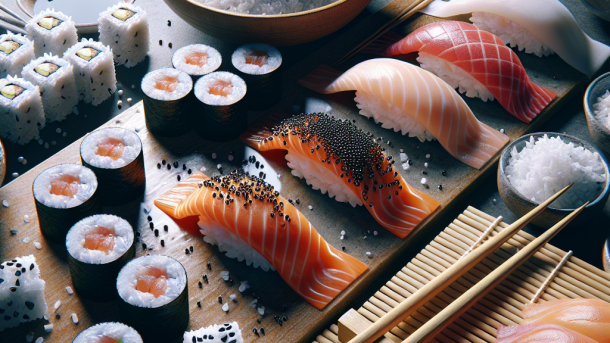
Sushi, a traditional Japanese dish, has gracefully woven itself into the fabric of British cuisine. Crafted with precision and artistry, it typically consists of vinegared rice paired with fresh fish, vegetables, and seaweed. But beneath its elegant presentation lies a nutritional complexity that requires careful consideration for those managing diabetes.

Understanding Diabetes and Diet

Diabetes is a condition where the body’s ability to process blood sugar is impaired. Diet plays a crucial role in managing this condition, making it essential to understand which foods can be allies or adversaries. According to the NHS Eatwell Guide, balanced nutrition is key to maintaining healthy blood sugar levels.

Navigating the Sushi Menu: Best Choices for Diabetics

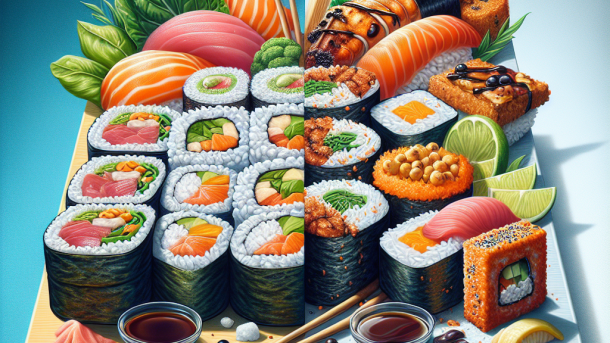
As you peruse a sushi menu, envision yourself as an artist selecting colors from a palette. Each choice can paint a different picture of your health. Opt for sashimi (sliced raw fish without rice), nigiri (fish atop small rice portions), and maki rolls with minimal rice. These options offer a delicious balance of protein and healthy fats without overwhelming your blood sugar.

The Role of Rice: Friend or Foe?

Rice, the canvas upon which sushi is built, can be both a friend and a foe. Its high glycemic index means it can spike blood sugar quickly. However, by choosing brown rice or reducing portion sizes, you can keep your blood sugar steady. Think of rice as a double-edged sword—handle it wisely, and it can enhance your meal without compromising your health.

Savoring Sushi Responsibly: Tips and Tricks

  • **Portion Control:** Enjoy smaller servings to keep your carbohydrate intake in check.
  • **Balance Your Plate:** Pair sushi with fiber-rich salads or steamed vegetables to slow sugar absorption.
  • **Mind the Sauces:** Soy sauce and other condiments can be high in sodium; opt for low-sodium versions.
  • **Hydrate Wisely:** Drink water or unsweetened tea to stay hydrated without added sugars.

For more insights on maintaining a healthy lifestyle while indulging in various cuisines, consider exploring the Diabetes UK Eating with Diabetes Guide.

Key Takeaways

Sushi can be part of a diabetic-friendly diet if chosen wisely. Prioritize fish and vegetable-based options, limit rice consumption, and be mindful of sauces and portion sizes.

Frequently Asked Questions

Can diabetics eat sushi every day?

While variety is the spice of life, consuming sushi daily may not provide the nutritional balance needed for diabetes management. Consider integrating other healthy meals into your diet.

Are there any specific types of sushi diabetics should avoid?

High-carb rolls with lots of rice or tempura should be limited. Focus instead on sashimi or nigiri with minimal rice.

Conclusion: Balancing Flavor and Health

As we conclude our culinary exploration, it becomes clear that sushi can indeed be “OK” for diabetics when approached thoughtfully. With an artist’s touch, you can craft meals that satisfy your cravings while nurturing your health. So next time you’re tempted by the siren call of sushi, embrace it with confidence, knowing that you hold the brush to paint your own path to wellness.

Is sushi haram in Shia?

Is Sushi Haram in Shia?

Introduction

Picture this: a beautifully crafted sushi roll, an inviting blend of colors and textures, sitting delicately on your plate. It’s a feast for the eyes and the taste buds. But for those who follow Shia Islam, a question arises amidst this culinary artistry: is sushi haram? This question takes us on a journey through the rich tapestry of religious teachings, cultural nuances, and dietary laws that guide the Shia community.

  • Understanding Halal and Haram
  • The Role of Seafood in Shia Dietary Laws
  • Cultural Influences on Food Choices
  • Modern Interpretations and Opinions
  • Key Takeaways
  • FAQs
  • Conclusion

Understanding Halal and Haram

In the vast ocean of Islamic jurisprudence, two guiding lights shine brightly: halal and haram. These terms are more than mere labels; they are the compass by which faithful Muslims navigate their daily lives. To comprehend whether sushi falls under the banner of haram, we must first understand these concepts.

The word “halal,” meaning permissible, encompasses all that aligns with Islamic law. Conversely, “haram” signifies what is forbidden. For Shia Muslims, these distinctions are deeply rooted in the teachings of the Quran and the Hadith, serving as the moral backbone for dietary choices.

The Role of Seafood in Shia Dietary Laws

As we delve deeper into the ocean of Islamic dietary laws, like seasoned fishermen casting nets, we seek to capture the essence of the rules governing seafood consumption in Shia Islam. While Sunni Muslims generally consider all seafood to be halal, the Shia perspective is more nuanced.

Shia scholars often turn to the teachings of revered imams and religious texts to determine what sea creatures are permissible. Typically, fish with scales are considered halal, while those without scales are deemed haram. This distinction plays a crucial role in the sushi debate.

Cultural Influences on Food Choices

Food is not just sustenance; it’s a cultural tapestry woven with threads of tradition, identity, and belief. As we sit at the table of life, sharing meals with family and friends, our food choices are influenced by a myriad of factors beyond religion alone.

Shia communities around the world bring their unique cultural flavors to the sushi question. In some regions, sushi has been embraced as a modern culinary delight, while others approach it with caution due to religious interpretations.

Modern Interpretations and Opinions

In today’s interconnected world, the lines between cultures blur like watercolor on canvas. This is reflected in the diverse opinions within the Shia community regarding sushi. Some scholars argue for a more lenient approach, considering certain types of sushi to be halal if prepared correctly.

For instance, sushi made with fish that have scales and are caught following ethical practices may be deemed permissible. However, other interpretations remain strict, adhering closely to traditional guidelines.

Key Takeaways

  • Halal and haram are central to understanding dietary laws in Islam.
  • Shia dietary laws typically allow fish with scales but prohibit those without.
  • Cultural influences shape individual and communal food choices.
  • Diverse opinions exist within the Shia community regarding sushi’s permissibility.

FAQs

Is all seafood considered halal in Shia Islam?

No, only fish with scales are generally considered halal in Shia Islam.

Can sushi be halal if prepared a certain way?

Yes, if sushi is made with halal ingredients and adheres to Shia dietary laws, it may be permissible.

What role does culture play in determining whether sushi is haram?

Cultural influences can shape personal and communal interpretations of religious dietary laws.

Conclusion

The question of whether sushi is haram in Shia Islam is a nuanced one, much like the intricate layers of a sushi roll itself. It invites us to explore not only religious teachings but also cultural influences and modern interpretations. As you ponder this question over your next meal, remember that food is more than sustenance; it’s a narrative that connects us to our faith and heritage. For further exploration into how such narratives unfold across different cultures, consider reading about Islam’s cultural impact. Let this be an invitation to savor not just the flavors on your plate but also the rich tapestry of beliefs that flavor our world.

Is sushi actually healthy?

Is Sushi Actually Healthy?

Introduction

Imagine yourself walking through the bustling streets of London, the aroma of freshly rolled sushi wafting through the air like an irresistible melody. With its vibrant colors and delicate flavors, sushi has become a beloved culinary staple in the UK. But as with any gastronomic trend, the question arises: is sushi actually healthy? Let’s dive into this tantalizing topic and explore the world of sushi to uncover its nutritional secrets.

  • The Origins of Sushi
  • The Nutritional Breakdown of Sushi
  • The Health Benefits of Sushi
  • Potential Drawbacks
  • Key Takeaways
  • Frequently Asked Questions
  • Conclusion

The Origins of Sushi

The journey of sushi began in the land of the rising sun, Japan, where it was once a humble method of preserving fish. The process involved fermenting fish with rice, creating a savory symphony that captivated taste buds across continents. Fast forward to today, sushi has evolved into an art form enjoyed globally, including right here in the UK.

The Nutritional Breakdown of Sushi

Sushi is not just a feast for the eyes but also a treasure trove of nutrients. Let’s break it down:

  • Fish: Rich in omega-3 fatty acids, essential for heart health.
  • Rice: A source of carbohydrates, providing energy.
  • Seaweed: Packed with vitamins and minerals like iodine.
  • Vegetables: Offer fiber and antioxidants.

Sushi’s nutritional composition can be likened to a well-orchestrated symphony, where each ingredient plays a vital role in enhancing overall health. However, as with any meal, moderation is key.

The Health Benefits of Sushi

Sushi offers a myriad of health benefits that make it a delightful addition to your diet:

  • Heart Health: Omega-3 from fish supports cardiovascular function.
  • Weight Management: Low-calorie options like sashimi can aid in maintaining a healthy weight.
  • Digestive Health: Seaweed contains fiber which aids digestion.

For more insight into nutritious eating habits, consider exploring resources such as the UK’s NHS Eat Well Guide.

Potential Drawbacks

Despite its benefits, sushi is not without its potential pitfalls. It’s crucial to be mindful of these aspects:

  • Sodium Content: Soy sauce can introduce high sodium levels.
  • Mercury Levels: Certain fish may contain mercury, which should be consumed cautiously.

To ensure safe consumption, follow guidelines provided by authorities like the Food Standards Agency.

Key Takeaways

  • Sushi offers numerous health benefits but should be consumed in moderation due to potential drawbacks like high sodium and mercury levels.
  • Select sushi varieties wisely to maximize nutritional benefits while minimizing risks.
  • Stay informed about safe fish consumption practices.

Frequently Asked Questions

Is sushi safe to eat during pregnancy?

While sushi can be safe, it’s important to avoid raw fish varieties to reduce risk. Opt for vegetarian rolls or cooked options instead.

How often can I eat sushi?

Moderation is key. Enjoy sushi as part of a balanced diet, considering portions and variety.

Conclusion

The allure of sushi lies not only in its exquisite taste but also in its potential health benefits. Like a well-spun tale, sushi invites us to savor its flavors while being mindful of its potential pitfalls. As you stroll through the vibrant streets of Britain, indulging in this culinary delight, remember to balance enjoyment with awareness.

For further guidance on maintaining a healthy diet, explore comprehensive resources like the British Dietetic Association’s food facts. Let sushi be a harmonious note in your symphony of well-being.

How healthy is sushi?

How Healthy is Sushi?

Introduction

Sushi. The very word conjures images of delicate rolls, vibrant colors, and the artistry of Japanese cuisine. As sushi has made its way from Japan to the tables of the UK, it has become more than just a meal—it’s an experience. But as with all things that glitter, we must ask ourselves: How healthy is sushi? Is it the golden ticket to a balanced diet, or does it harbor hidden pitfalls?

  • The Nutritional Landscape of Sushi
  • Health Benefits of Eating Sushi
  • Potential Health Risks
  • Tips for Enjoying Sushi Healthily
  • Key Takeaways
  • FAQs about Sushi and Health
  • Conclusion

The Nutritional Landscape of Sushi

Sushi is like a symphony of flavors and nutrients, each ingredient playing its part in the orchestra of your meal. Primarily consisting of vinegared rice, raw fish, and vegetables wrapped in seaweed, sushi offers a variety of vitamins and minerals.

Macronutrients and Calories

At its core, sushi provides carbohydrates from rice, proteins from fish, and a sprinkle of fats from both the fish and any accompanying sauces. A typical sushi roll can range between 200 to 500 calories, depending on the ingredients and serving size. When considering calorie intake, it’s important to be mindful of portions—just as in any balanced diet.

Micronutrients Galore

Sushi isn’t just about macronutrients; it’s also a treasure trove of micronutrients. For instance, nori (seaweed) is rich in iodine and vitamin C. Fish provides omega-3 fatty acids, vital for heart health. But as with any story, there’s more beneath the surface.

Health Benefits of Eating Sushi

Let’s set sail on the sea of health benefits that sushi offers. Imagine your body as a ship navigating the turbulent waters of daily life. The right fuel keeps you moving forward smoothly.

A Heart-Friendly Choice

The omega-3 fatty acids found in sushi’s fish are like lighthouses guiding your heart through stormy seas. These essential fats are known to reduce inflammation and lower blood pressure, contributing to heart health.

A Source of Essential Nutrients

Sushi is a gem for those seeking an array of vitamins and minerals. Vitamin D in fish supports bone health, while antioxidants in vegetables combat free radicals. Eating sushi is akin to giving your body a well-rounded multivitamin.

Potential Health Risks

However, even the most beautiful roses have thorns. While sushi offers numerous benefits, it should be approached with awareness.

Mercury Levels Concerns

Certain types of fish used in sushi, such as tuna, may contain higher levels of mercury. It’s crucial to consume these fish in moderation to avoid potential health issues. Think of it as walking on a tightrope—balance is key.

Risk of Foodborne Illnesses

The freshness of sushi is its charm but also its vulnerability. If not prepared or stored correctly, sushi can harbor bacteria like Salmonella or parasites such as tapeworms. Trustworthy sources and proper handling are your anchors against these risks.

Tips for Enjoying Sushi Healthily

Just as a seasoned sailor knows how to navigate rough waters, here are some tips to savor sushi safely:

  • Choose Wisely: Opt for rolls with a higher vegetable-to-rice ratio.
  • Mind the Mercury: Limit consumption of high-mercury fish like tuna.
  • Check Reputable Sources: Ensure your sushi is prepared by certified professionals.
  • Watch Portions: Balance sushi with other nutritious foods throughout the day.

Key Takeaways

Sushi can be a delightful addition to a balanced diet if consumed with mindfulness. Its rich tapestry of nutrients offers health benefits, yet potential risks should not be overlooked. By choosing wisely and being informed, sushi can continue to be a cherished dining experience.

FAQs about Sushi and Health

Q: Is sushi safe to eat during pregnancy?

A: Pregnant women should avoid raw fish due to potential bacteria and parasites. However, cooked options like eel or tempura rolls are safer alternatives.

Q: How often can I eat sushi?

A: Moderation is key. Enjoying sushi once or twice a week is generally safe for most people.

Conclusion

In the grand buffet of life, sushi stands out as a flavorful choice that dances between indulgence and nutrition. It’s like a delicate haiku—simple yet profound when savored with intention. So next time you reach for those chopsticks, remember that understanding the balance between benefits and risks will ensure your culinary journey remains both delightful and healthy.

For more insights into making healthy food choices, you might find inspiration in resources offered by the NHS. Also, explore strategies for maintaining a balanced diet at BBC Good Food.

Is sushi beneficial?

Is Sushi Beneficial?

Introduction

Sushi—a culinary masterpiece that’s as much an art form as it is a meal. But beyond its aesthetic appeal and tantalizing flavors, have you ever paused to ask, “Is sushi beneficial?” As British culture embraces this Japanese delicacy, it’s time to explore the health benefits and cultural significance of sushi in the UK.

  • The Culinary Journey of Sushi
  • The Health Benefits of Sushi
  • Cultural Significance and Popularity in the UK
  • Key Takeaways
  • FAQs
  • Conclusion

The Culinary Journey of Sushi

The Origins of Sushi

Imagine a fisherman setting sail on a tranquil sea. He returns with a bounty of fresh fish, and through centuries of tradition, transforms it into sushi—an artful blend of vinegared rice and seafood. This is more than just food; it’s a journey through time and culture.

Sushi’s Arrival in the UK

As the tides of globalization surged, so did the spread of sushi to foreign shores. The UK’s bustling cities embraced it, and today, sushi bars are as common as fish ‘n’ chip shops. This culinary wave has swept across the nation, enticing both the adventurous and the gourmet.

The Health Benefits of Sushi

A Nutritional Powerhouse

Sushi is akin to a treasure chest of nutrients. Each roll is packed with omega-3 fatty acids from fish, which are essential for heart health. The seaweed wraps offer iodine, crucial for thyroid function, while the rice provides a steady energy source. It’s no wonder that sushi is celebrated for its nutritional prowess.

Low in Calories, High in Flavor

In a world where indulgence often comes at a caloric cost, sushi stands out as a deliciously healthy option. With its low-calorie profile, sushi allows you to savor every bite without guilt—like enjoying a symphony without missing a note.

Cultural Significance and Popularity in the UK

A Meeting of Cultures

Sushi is not just food; it’s a cultural bridge connecting Japan and the UK. It represents an appreciation for precision and elegance. From high-end restaurants to local supermarkets, sushi has become a staple in British dining culture.

The Rise of Sushi Chains

The rise of sushi chains in the UK reflects its growing popularity. These establishments offer accessible and diverse options to cater to varied palates. For further insight into global food culture, you can explore resources like the Wikipedia page on Sushi.

Key Takeaways

  • Sushi is rich in essential nutrients such as omega-3 fatty acids and iodine.
  • It’s a low-calorie food option that doesn’t compromise on flavor.
  • Sushi has become an integral part of UK dining culture, symbolizing a blend of tradition and modernity.

FAQs

Is sushi safe for everyone?

While sushi is generally safe, it’s important to choose reputable sources to avoid foodborne illnesses. Pregnant women should exercise caution due to raw fish.

Can vegetarians enjoy sushi?

Absolutely! Vegetarian sushi options abound, featuring ingredients like avocado, cucumber, and pickled vegetables.

Conclusion

The allure of sushi extends beyond the palate; it’s a feast for the senses and the soul. Its journey from Japan to the UK tells a story of fusion—a harmonious blend of flavors and cultures. Next time you indulge in sushi, ponder not just its taste but also its benefits and heritage. For those eager to delve deeper into international cuisines, consider exploring resources like the BBC’s take on sushi recipes.

As we savor these delicate rolls, we partake in a global conversation—one that transcends borders and unites us through shared culinary experiences.

Is sushi healthy for weight loss?

Is Sushi Healthy for Weight Loss?

Introduction

Ah, sushi! Just the mention conjures up images of exquisite rolls and the delicate artistry that is synonymous with this revered Japanese delicacy. For those embarking on a weight loss journey, you might wonder—can sushi be your ally or will it derail your efforts? In a world where every bite counts, understanding the role sushi plays in your dietary plan is crucial.

  • The Allure of Sushi: A Culinary Art
  • Nutritional Profile: The Hidden Gems in Sushi
  • Types of Sushi: What to Choose for Weight Loss
  • Potential Pitfalls: Avoiding Caloric Overloads
  • Healthy Sushi Practices: Making Smart Choices
  • Key Takeaways
  • FAQs
  • Conclusion: The Verdict on Sushi and Weight Loss

The Allure of Sushi: A Culinary Art

Sushi is not just food; it’s a masterpiece on a plate. Imagine a painter’s canvas, each roll a brushstroke of color and flavor. With its roots deep in Japanese culture, sushi has transcended borders, becoming a global sensation. But beneath its artful presentation lies a question: Is sushi merely a treat, or can it be incorporated into a healthy diet?

Nutritional Profile: The Hidden Gems in Sushi

Choosing sushi for your meal is like opening Pandora’s box of nutrients. From protein-rich fish like salmon and tuna to fiber-packed vegetables and seaweed, sushi offers a bounty of health benefits. The omega-3 fatty acids found in fish are akin to liquid gold for your heart, while the rice provides energy—a necessary fuel for any dietary regimen. According to the NHS guidelines, balancing these nutrients is key to maintaining a healthy lifestyle.

Types of Sushi: What to Choose for Weight Loss

Not all sushi is created equal. Some rolls are akin to wolves in sheep’s clothing—laden with high-calorie sauces and tempura coatings. Opt for sashimi or nigiri, which offer the purest forms of fish without the calorie-dense additions. Think of them as the sleek sports cars on the sushi highway—efficient and effective.

Potential Pitfalls: Avoiding Caloric Overloads

Beware of the sushi sirens—those enticing options like tempura rolls or those drizzled in spicy mayo. They may seem innocent, yet they pack more calories than you might suspect. It’s vital to steer clear of these traps if weight loss is your destination. Instead, focus on simple rolls with fresh ingredients.

Healthy Sushi Practices: Making Smart Choices

When navigating the vast ocean of sushi options, think strategically. Choose brown rice over white for added fiber, and always pair your meal with a side of edamame or seaweed salad for an extra health boost. Drinking green tea alongside your meal can also aid digestion and enhance the overall experience.

For further guidance on maintaining an optimal diet while enjoying international flavors, explore our comprehensive guide on optimal diet tips.

Key Takeaways

  • Sushi can be beneficial for weight loss if chosen wisely.
  • Avoid high-calorie additions like sauces and fried components.
  • Opt for nutrient-rich options like sashimi and nigiri.
  • Incorporate healthy sides and drinks to complement your meal.

FAQs

Is sushi fattening?

Not inherently; however, certain rolls with high-calorie ingredients can contribute to weight gain if consumed excessively.

Can I eat sushi every day?

While sushi offers many health benefits, moderation is key. Consuming it daily might lead to an imbalance in your diet.

What is the healthiest type of sushi?

Sashimi and nigiri are among the healthiest choices due to their minimal ingredients and high protein content.

Conclusion: The Verdict on Sushi and Weight Loss

Sushi, much like a double-edged sword, has the potential to be both friend and foe. When approached with mindfulness and care, it can indeed complement a weight loss journey. Like any culinary delight, it’s about balance and making informed choices. So next time you’re faced with a platter of sushi, remember—you hold the chopsticks to your destiny.

For more information on incorporating sushi into a balanced diet, consider visiting sources like the reputable BBC Good Food Guide. Their insights provide valuable perspectives on healthy eating habits.

Is Oreo halal?

“`html

Is Oreo Halal?

Introduction

Imagine walking down the snack aisle, colorful packages whispering sweet temptations at every turn. Your eyes land on a classic favorite—Oreo cookies. But as you reach out, a question lingers: “Is Oreo halal?” This query echoes not just in the halls of supermarkets but in homes across the UK, where understanding and respecting dietary needs is paramount.

  • The Essence of Halal
  • Decoding Oreo Ingredients
  • Halal Certification: A Seal of Assurance
  • Cultural Implications and Consumer Choices
  • Key Takeaways
  • FAQs: Your Questions Answered
  • Conclusion: Making Informed Snacking Decisions

The Essence of Halal

To unravel the mystery behind Oreo’s halal status, we must first explore what “halal” truly means. In its essence, halal refers to anything permissible under Islamic law. It’s a guiding principle for millions, shaping choices and lifestyles. Like a compass pointing true north, it helps believers navigate through an ocean of dietary options.

Decoding Oreo Ingredients

Turning the package over, we delve into the realm of ingredients. Are Oreos merely a delightful blend of sugar and cocoa, or is there more beneath the surface? It’s crucial to understand if any hidden elements could potentially render them non-halal.

For instance, while most Oreos in the UK do not contain pork-derived gelatin or alcohol-based flavorings, regional variations might exist. Always remember that ingredient labels can be a treasure map leading to informed decisions.

Hidden Ingredients: A Closer Look

While sugar, flour, and cocoa are familiar friends, additives like emulsifiers may raise eyebrows. Often derived from soy or sunflower sources, their origins can sometimes be animal-based, requiring careful scrutiny.

Halal Certification: A Seal of Assurance

A simple label can provide peace of mind akin to a lighthouse guiding sailors to safety. Halal certification is more than a mere stamp; it’s a symbol of trust and compliance with Islamic dietary laws.

The UK’s trusted bodies, such as the Halal Certification Europe, offer assurance that products meet stringent standards. However, not all Oreos carry such certification, necessitating vigilance from conscientious consumers.

Cultural Implications and Consumer Choices

The choice to consume halal products intertwines deeply with culture, identity, and tradition. It is like a thread weaving through the fabric of life for many in the UK. Choosing halal is not just about following dietary laws but honoring one’s heritage and beliefs.

For further insight into Islamic dietary laws, the BBC offers comprehensive resources that delve into these rich traditions.

Key Takeaways

  • Halal represents permissible dietary choices under Islamic law.
  • Ingredient labels are vital for identifying potential non-halal substances.
  • Halal certification provides assurance but may not be present on all products.
  • Cultural significance plays a crucial role in consumer decision-making.

FAQs: Your Questions Answered

Are all Oreo flavors halal?

No, not all Oreo flavors are guaranteed to be halal as formulations may vary globally. It’s important to check each product individually.

Where can I find certified halal Oreos?

Certain retailers and online platforms may offer halal-certified versions. Always look for trusted certifications on packaging.

Conclusion: Making Informed Snacking Decisions

As you stand in the snack aisle once more, let knowledge be your guide. Like a wise friend whispering advice, understanding the intricacies of halal can illuminate your choices. Whether you indulge in Oreos or seek alternatives, being informed ensures your decisions resonate with both taste buds and values.

For those curious about diverse culinary experiences within ethical bounds, our guide to installing laravel on a local server might seem unrelated but reflects our commitment to providing insightful content across varied interests.

“`
Is sushi good everyday?

Is Sushi Good Every Day? Delve into the Daily Delight of Sushi

Introduction

Sushi—an exquisite blend of flavors and textures wrapped in a delicate roll, is not just a meal; it’s an experience. But as the tantalizing taste of sushi beckons us to indulge more frequently, a question arises: is sushi good every day? In the United Kingdom, where culinary landscapes are as diverse as the countryside, this inquiry holds particular weight. Join us as we venture into the world of sushi, exploring its potential as a daily delight.

  • The Art of Sushi: A Culinary Masterpiece
  • Health Benefits of Eating Sushi Daily
  • Navigating Nutritional Considerations
  • Sustainability and Environmental Impact
  • Key Takeaways
  • Frequently Asked Questions (FAQs)
  • Conclusion

The Art of Sushi: A Culinary Masterpiece

Picture a canvas adorned with vibrant colors—rich reds of tuna, pearly whites of scallops, and the verdant green of wasabi. Sushi is not merely food; it is art on a plate. Originating from Japan, this culinary delight has traveled across oceans to capture hearts in the UK. Each sushi roll tells a story, a narrative crafted by skilled hands that transform simple ingredients into exquisite bites.

From Tradition to Modernity

Traditional sushi emphasizes simplicity and elegance. However, modern adaptations have introduced bold flavors and creative combinations that have found a home in British palates. Whether it’s a classic nigiri or a fusion roll with unexpected twists, sushi continues to evolve and enchant.

Health Benefits of Eating Sushi Daily

Incorporating sushi into your daily diet brings forth a plethora of health benefits. As a rich source of omega-3 fatty acids, sushi supports cardiovascular health and cognitive function. The seaweed used in sushi is a powerhouse of vitamins and minerals, acting as a natural multivitamin.

The Protein Powerhouse

For those seeking lean protein options, sushi provides an excellent choice. Fish like salmon and tuna are packed with essential amino acids that aid in muscle growth and repair.

Low-Calorie Delight

Sushi offers a low-calorie alternative to many other meals. By opting for sashimi or rolls with less rice, you can savor delicious flavors without guilt.

Navigating Nutritional Considerations

While the benefits are many, consuming sushi daily requires mindful consideration. Mercury levels in certain fish like tuna can pose health risks if consumed excessively. For guidance on safe consumption levels, refer to advice from reputable sources such as the NHS.

Balancing Sodium Intake

Soy sauce, a staple accompaniment to sushi, can contribute to high sodium intake. Opting for low-sodium soy sauce or using it sparingly can help maintain healthy salt levels.

Sustainability and Environmental Impact

As demand for sushi rises, so does the need for sustainable practices. Overfishing threatens marine ecosystems, making it crucial to choose responsibly sourced seafood. The Marine Conservation Society offers guidance on selecting sustainable options.

The Role of Aquaculture

Aquaculture presents an opportunity to meet seafood demands while minimizing environmental impact. Understanding its role can guide informed choices about daily sushi consumption.

Key Takeaways

  • Sushi is an art form: Embrace its cultural richness and culinary creativity.
  • Health benefits abound: Enjoy the nutritional advantages of omega-3s and lean proteins.
  • Be mindful of consumption: Balance enjoyment with awareness of mercury levels and sodium intake.
  • Support sustainability: Choose seafood that aligns with eco-friendly practices.

Frequently Asked Questions (FAQs)

Can I eat sushi every day?

Yes, but it’s vital to maintain a balanced diet and be aware of potential mercury exposure and sodium intake.

What are the most sustainable fish options for sushi?

Look for seafood recommended by the Marine Conservation Society or check for sustainable certifications.

Conclusion

Sushi offers more than just a meal; it’s a journey through culture and flavor. While indulging in its daily consumption may be tempting, it’s essential to balance pleasure with responsibility. By making informed choices about nutrition and sustainability, you can relish this delicacy while safeguarding your health and our planet’s future.

For those ready to embark on this flavorful journey, consider exploring local eateries or even mastering sushi-making at home. The world of sushi awaits—one delightful bite at a time.

What country is sushi from?

What Country is Sushi From?

Introduction

Imagine a world where every bite tells a story of tradition, culture, and artistry. Welcome to the realm of sushi—a culinary masterpiece that transcends borders and tantalizes taste buds across the globe. But what country is sushi from? As we embark on this flavorful journey, we’ll delve into the rich tapestry of sushi’s origins, its evolution, and why it has become a global phenomenon.

  • The Birthplace of Sushi
  • A Journey Through History
  • Sushi’s Evolution and Globalization
  • Understanding Different Types of Sushi
  • Key Takeaways
  • FAQs About Sushi
  • Conclusion

The Birthplace of Sushi

Sushi finds its roots in the land of the rising sun—Japan. This captivating dish first emerged as a humble method of preserving fish by fermenting it with rice. Picture ancient Japanese fishermen, casting their nets into the vast sea, bringing back bountiful catches and preserving them through this ingenious technique. The result was a delectable fusion of flavors, an art form on a plate.

A Journey Through History

As time flowed like a river, so did the story of sushi. Around the Edo period in the early 19th century, sushi evolved from its fermented beginnings to the fresh delicacy we know today. Imagine walking through bustling streets adorned with vibrant stalls offering nigiri sushi—small vinegared rice balls topped with fresh fish. It was fast food with finesse, capturing the hearts of Edo’s locals.

For more insights into traditional Japanese cuisines and cultural practices, delve into Japan’s official travel guide.

Sushi’s Evolution and Globalization

The world watched as sushi migrated beyond Japan’s shores, weaving its way into international dining experiences. Like a wave sweeping across continents, its allure captivated chefs and food lovers alike, leading to creative interpretations and fusion dishes. Today, sushi bars are as common in London as they are in Tokyo, each offering unique twists and turns on this timeless favorite.

Understanding Different Types of Sushi

Sushi isn’t just a single dish; it’s a symphony of styles and flavors. Let’s unravel some popular types:

  • Nigiri: The quintessential sushi—hand-shaped rice topped with slices of fish or seafood.
  • Maki: Rolled sushi, often wrapped in seaweed (nori) and sliced into bite-sized pieces.
  • Sashimi: Artfully sliced raw fish, served without rice to savor the pure essence of seafood.
  • Temaki: Hand-rolled cones of nori filled with rice, fish, and vegetables—a fun and interactive treat.

While exploring various sushi styles, consider understanding the cultural dynamics through resources like UNESCO’s heritage insights.

Key Takeaways

  • Sushi originated in Japan as a method to preserve fish using fermented rice.
  • The Edo period marked the transformation of sushi into the fresh version enjoyed today.
  • Sushi has become a global sensation, adapting to local tastes and preferences worldwide.
  • Diverse styles such as nigiri, maki, sashimi, and temaki offer a wide range of flavors and experiences.

FAQs About Sushi

  1. What is the main ingredient in sushi?
    Sushi primarily consists of vinegared rice combined with seafood or other ingredients.
  2. Can you eat sushi if you’re vegetarian?
    Yes! Many sushi places offer vegetarian options featuring vegetables or tofu.
  3. Is it safe to eat raw fish?
    When prepared properly by trained chefs, consuming raw fish is considered safe. Always choose reputable establishments.

Conclusion

In conclusion, sushi is more than just food—it’s a narrative woven into Japan’s cultural fabric and shared with the world. Whether you’re savoring traditional nigiri in Kyoto or enjoying a creative maki roll in London, sushi connects us through its universal language of flavor. So why not embark on your own sushi adventure today? For further exploration into Japanese culinary arts, explore our guide on installing laravel on a local server.

Discover the world one bite at a time. Let sushi be your compass!

What country is sushi most popular in?

What Country is Sushi Most Popular In?

Introduction

Imagine a dish that embodies the essence of simplicity and sophistication, a culinary art form that has transcended its origins to become a global phenomenon. Sushi, the delicate dance of rice, vinegar, and fresh ingredients, has woven itself into the tapestry of international cuisine. But where does this gastronomic gem shine the brightest? Join us on a flavorful journey as we explore the captivating world of sushi, with a special spotlight on its growing popularity in the United Kingdom.

  • The Rise of Sushi: A Global Journey
  • Sushi in the UK: A Cultural Fusion
  • Why Brits Love Sushi: The Allure of Japanese Cuisine
  • Top Sushi Spots in the UK
  • Key Takeaways
  • FAQs About Sushi in the UK
  • Conclusion: Sushi’s Timeless Appeal

The Rise of Sushi: A Global Journey

Sushi’s voyage from the bustling streets of Tokyo to dining tables worldwide is nothing short of a culinary odyssey. Once an exclusive delicacy reserved for Japanese gourmets, sushi has broken through borders, becoming a beloved staple in many nations. Its minimalistic elegance appeals to food enthusiasts seeking a blend of tradition and modernity. But why has sushi found a particularly welcoming home in the United Kingdom?

Sushi in the UK: A Cultural Fusion

Think of the UK as a melting pot of cultures and cuisines—a dynamic mosaic where diverse flavors come together harmoniously. In recent years, the British have embraced sushi with open arms, savoring its unique textures and flavors. This acceptance is a testament to the UK’s adventurous palate and its openness to global culinary influences. From conveyor belt sushi bars to upscale Japanese restaurants, sushi has firmly established its place in the British food scene.

Why Brits Love Sushi: The Allure of Japanese Cuisine

What is it about sushi that captivates British food lovers? Perhaps it’s the vibrant colors and exquisite presentation, or maybe it’s the health-conscious appeal of fresh ingredients. Sushi offers a sensory experience akin to an artist’s palette—each piece meticulously crafted to delight both the eyes and the taste buds.

  • Health Benefits: Sushi is often lauded for its nutritional value, featuring omega-rich fish and antioxidant-packed seaweed.
  • Variety: From nigiri to sashimi, the diverse range of sushi types caters to all preferences.
  • Convenience: Sushi’s portability makes it an ideal choice for busy urbanites.

For those interested in exploring more about Japanese cuisine and its influence on Western diets, you may find insights at BBC News.

Top Sushi Spots in the UK

The UK’s love affair with sushi is reflected in its thriving sushi establishments. Whether you’re in London or Edinburgh, you’ll find a plethora of options that cater to both purists and experimenters.

  1. Nobu London: An iconic venue known for its innovative dishes and celebrity clientele.
  2. Sushi Tetsu: A humble yet revered spot offering an authentic sushi experience.
  3. The Araki: A Michelin-starred restaurant providing an intimate dining adventure.

To dive deeper into the world of sushi and its cultural impact, consider visiting the Sushi Wikipedia page.

Key Takeaways

  • Sushi has grown beyond its Japanese roots to become a global sensation.
  • The UK has developed a strong appreciation for sushi, driven by cultural fusion and culinary curiosity.
  • British sushi lovers enjoy a wide variety of sushi offerings, blending traditional techniques with modern interpretations.

FAQs About Sushi in the UK

Is sushi popular in other parts of Europe?

Yes, sushi enjoys popularity across Europe, with countries like France and Germany also embracing this Japanese delicacy.

Are there vegetarian options available at UK sushi restaurants?

Absolutely! Many UK sushi spots offer vegetarian and vegan options, ensuring everyone can enjoy this delightful cuisine.

Conclusion: Sushi’s Timeless Appeal

As we conclude our exploration of sushi’s popularity in the United Kingdom, it’s clear that this iconic dish has carved out a special place in British hearts and kitchens. Like a symphony of flavors and textures, sushi continues to captivate and inspire, embodying a timeless appeal that resonates across cultures. So next time you reach for those chopsticks, remember—you’re not just enjoying a meal; you’re partaking in a global culinary celebration.

For more tips on how to indulge in other international cuisines, check out our guide on exploring global food trends.

If you’re curious about more cultural exchanges between Japan and other countries, you might want to visit Japan National Tourism Organization.

Why is sushi famous?

Why is Sushi Famous?

Introduction

In the heart of Japanese cuisine lies a dish so exquisite, it has transcended borders and captured the taste buds of millions worldwide – sushi. Like a well-composed symphony, sushi brings together flavors and textures that dance on the palate, creating a memorable experience. But what makes sushi so famous, particularly in the United Kingdom? Let’s embark on a culinary journey to unravel the mystery behind this global sensation.

  • The Art of Sushi: A Historical Perspective
  • The Global Appeal of Sushi
  • Sushi in the United Kingdom
  • Health Benefits of Sushi
  • Key Takeaways
  • FAQs
  • Conclusion

The Art of Sushi: A Historical Perspective

Tracing back to ancient Japan, sushi was born out of necessity and ingenuity. It began as a method of preserving fish in fermented rice. Over time, this evolved into the delicacy we know today, where each piece tells a story of tradition and innovation. Imagine walking through the bamboo-lined streets of Edo-period Japan, where sushi chefs honed their craft with precision akin to samurais wielding their swords.

The Evolution of Sushi

From its humble beginnings, sushi has transformed from street food to haute cuisine. The introduction of nigiri-zushi in the 19th century marked a pivotal moment, making sushi more accessible and paving the way for its international acclaim. Today, sushi is celebrated not just for its taste but for its artistry and attention to detail.

The Global Appeal of Sushi

What makes sushi a darling on the global stage? Is it the delicate balance of flavors or the aesthetic presentation that resembles an artist’s palette? Sushi’s appeal lies in its versatility and ability to adapt while maintaining its core essence.

Fusion Cuisine: A Cultural Exchange

Sushi has become a blank canvas for chefs worldwide, blending traditional Japanese techniques with local ingredients to create innovative dishes. This cultural exchange has sparked creativity and expanded sushi’s reach across continents.

Sushi in the United Kingdom

In the UK, sushi has carved a niche as both a luxury indulgence and a quick, healthy meal option. From high-end restaurants to supermarket shelves, sushi’s presence is ubiquitous. It’s a testament to Britain’s evolving culinary landscape and openness to diverse flavors.

A Culinary Revolution

The rise of sushi in the UK can be likened to a culinary revolution, changing perceptions about raw fish and seaweed. British palates have embraced sushi with enthusiasm, reflecting a broader trend towards healthier eating and global gastronomy.

Health Benefits of Sushi

Sushi is not just a feast for the senses; it’s also packed with nutritional benefits. Rich in omega-3 fatty acids, vitamins, and minerals, sushi promotes heart health and boosts brain function. It’s no wonder that sushi is often associated with longevity and vitality.

For example, according to studies by the NHS, incorporating fish like salmon into your diet provides essential nutrients crucial for maintaining a balanced diet.

Key Takeaways

  • Sushi is deeply rooted in Japanese culture and has evolved into a global phenomenon.
  • Its popularity in the UK reflects changing culinary trends and an appetite for healthy options.
  • Sushi’s versatility allows it to adapt and thrive across different cultures.
  • The health benefits of sushi make it an attractive choice for those seeking nutritious meals.

FAQs

What are some popular types of sushi available in the UK?

Nigiri, maki rolls, sashimi, and temaki are among the favorites found in British sushi bars and restaurants.

Is all sushi raw?

No, not all sushi is raw. Cooked options like tempura rolls and grilled eel (unagi) cater to varied preferences.

Where can I learn more about Japanese cuisine?

You can explore more about authentic Japanese culinary practices through resources like the Japan National Tourism Organization.

Conclusion

Like a timeless piece of art, sushi continues to captivate and inspire food enthusiasts around the world. Its journey from ancient preservation technique to modern-day delicacy is a testament to its enduring appeal. In the UK’s diverse culinary landscape, sushi shines bright as a symbol of cultural appreciation and culinary innovation. So next time you savor a piece of sushi, remember that you’re partaking in a rich tapestry of history, flavor, and tradition.

For those eager to dive deeper into the world of sushi, consider exploring our guide on the culinary wonders of Japan, where every bite tells a story worth sharing.

Is sushi popular in India?

Is Sushi Popular in India?

Introduction

Once upon a time, sushi was merely a whisper on the streets of India—a distant echo from the land of the rising sun. As if lifted by the wings of migrating cranes, this culinary marvel journeyed across oceans to find a place in the heart of Indian epicureans. The question now resonates: Is sushi truly popular in India? Let us dive into this delightful narrative where tradition meets innovation.

  • The Cultural Exchange: A Voyage Beyond Borders
  • Sushi’s Allure: Why Indians Are Hooked
  • The Growth of Sushi Restaurants in India
  • Challenges and Adaptations: A Culinary Fusion
  • Key Takeaways
  • FAQs about Sushi in India
  • Conclusion: The Future of Sushi in India

The Cultural Exchange: A Voyage Beyond Borders

Picture a dance of flavors, a fusion of tradition and modernity—this is the essence of sushi’s journey to India. Much like an ancient tapestry woven with threads from different lands, sushi has intertwined itself within the vibrant fabric of Indian cuisine. But what sparked this cultural exchange?

Globalization, with its invisible hands, has opened gateways to foreign tastes and aromas. The Indian palate, curious and ever-evolving, has embraced international cuisines with open arms, much like how the Ganges embraces its tributaries. Sushi, with its delicate balance of taste and presentation, has captured the imagination of many across India’s urban landscapes.

Sushi’s Allure: Why Indians Are Hooked

What makes sushi irresistible to Indians? Is it the artful presentation that resembles a Monet painting or the symphony of textures that play upon the tongue? Perhaps it’s both. For many Indians, sushi represents a culinary adventure—a chance to explore new horizons without leaving their hometowns.

The allure of sushi lies in its elegance and simplicity. It offers a refreshing departure from the rich and complex flavors traditionally found in Indian cuisine. It’s an opportunity to savor something unique, much like discovering a hidden gem amidst familiar treasures.

The Growth of Sushi Restaurants in India

The rise of sushi restaurants across India is akin to watching buds bloom into vibrant flowers in spring. From bustling metropolitan cities like Mumbai and Delhi to quieter towns such as Pune and Jaipur, sushi bars have become a symbol of sophistication and modernity.

This burgeoning trend is not just limited to standalone restaurants. High-end hotels and fine dining establishments have also added sushi to their menus, recognizing its growing popularity among patrons seeking exclusive dining experiences. With the advent of food delivery services, sushi has become more accessible than ever, allowing connoisseurs to indulge in this Japanese delicacy from the comfort of their homes.

Challenges and Adaptations: A Culinary Fusion

Yet, this journey has not been without its challenges. Adapting sushi to suit Indian tastes while maintaining its authenticity is akin to walking a tightrope—a delicate balancing act requiring skill and finesse. Chefs have creatively infused local ingredients such as paneer and tandoori flavors into traditional sushi rolls, creating a delightful fusion that appeals to both purists and experimentalists alike.

Additionally, sourcing fresh fish and other essential ingredients poses logistical challenges due to India’s diverse climate and geography. However, innovations in supply chain management have ensured that quality is never compromised, enabling sushi to flourish in a land so far from its origins.

Key Takeaways

  • Sushi’s popularity in India is on the rise, driven by globalization and a growing curiosity for international cuisines.
  • The elegant simplicity of sushi appeals to Indian diners seeking novel culinary experiences.
  • Sushi restaurants are proliferating across urban centers, symbolizing modern dining trends.
  • Culinary adaptations have played a crucial role in making sushi more relatable to Indian tastes.

FAQs about Sushi in India

Is sushi expensive in India?

While sushi can be considered a premium dish, there are options available across various price points, catering to different budget preferences.

Do Indians enjoy raw fish?

Although raw fish is a staple in traditional sushi, many Indians prefer vegetarian or cooked variations that cater to local preferences.

Are there vegetarian sushi options available?

Yes! Vegetarian sushi rolls featuring ingredients like avocado, cucumber, and asparagus are widely popular in India.

Conclusion: The Future of Sushi in India

As we stand at the crossroads of tradition and modernity, it’s clear that sushi has carved a niche for itself within India’s culinary landscape. Like a river flowing through uncharted territories, it continues to evolve and adapt, bringing together diverse cultures through shared gastronomic experiences. The future holds promise for sushi enthusiasts across India—a testament to the power of food in bridging worlds apart.

For those eager to explore more about global food trends and how they intersect with local cultures, check out our insights on global food trends. Additionally, learn more about the cultural significance of sushi by visiting resources such as Japan Travel Guide.

Skip to content