Safety is a top priority when it comes to your child’s diet, and sushi can be a delicious and nutritious option. As a parent, you might wonder if it’s appropriate for your little ones. This guide will help you navigate the world of sushi, discussing the types that are safe for children, potential risks, and how to choose the best sushi options for your family. By understanding the basics, you can confidently introduce sushi into your child’s meals.
Key Takeaways:
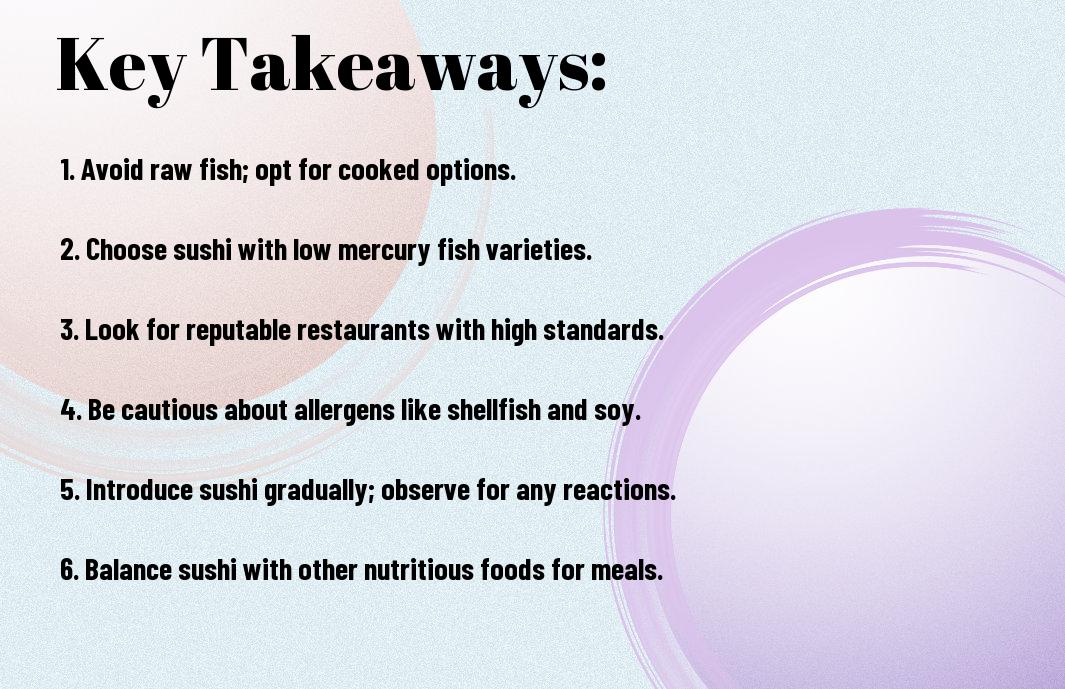
- Raw Fish Risks: It’s advisable to avoid raw fish for young children due to potential exposure to harmful bacteria and parasites.
- Cooked Options: Opt for sushi made with cooked ingredients, such as tempura or eel, which are safer choices for kids.
- Allergies Awareness: Be mindful of common allergens like seafood and soy. Always check for allergies before introducing sushi.
- Portion Sizes: Serving smaller portions can prevent choking hazards and help gauge your child’s preference without overwhelming them.
- Quality Matters: Ensure sushi is sourced from reputable restaurants to minimize the risk of foodborne illnesses.
Understanding Sushi
For many families, sushi can be a fun and healthy dining option. However, understanding what sushi is and the various types available can help you make better choices when introducing it to your children. Sushi, which originated from Japan, traditionally consists of vinegared rice accompanied by various ingredients, including seafood, vegetables, and sometimes tropical fruits. The preparation can vary widely, offering a range of flavors and textures that cater to different preferences.
Types of Sushi
For parents wondering which types of sushi are kid-friendly, consider the following options:
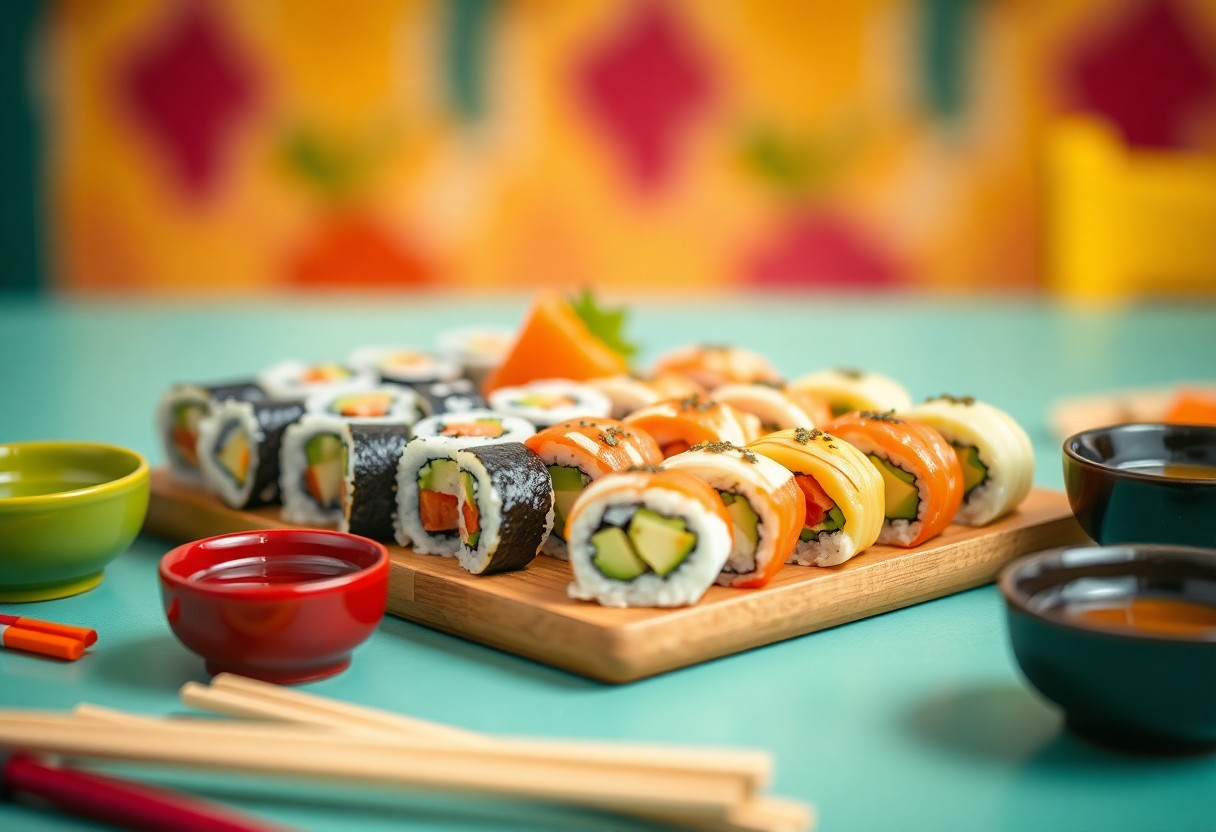
- Nigiri: Rice topped with fish or seafood
- Maki: Rolled sushi with rice and filling
- Uramaki: Inside-out rolls with fish or veggies
- Sashimi: Just slices of fish, no rice
- Temaki: Hand-rolled cones of sushi
Knowing the different types of sushi will empower you to choose the options that best suit your child’s taste and comfort level.
| Type of Sushi | Description |
| Nigiri | Rice topped with a slice of fish or seafood |
| Maki | Rolled sushi with rice and fillings like vegetables or seafood |
| Uramaki | Inside-out sushi rolls, often with multiple ingredients |
| Sashimi | Thinly sliced raw fish, typically served without rice |
Common Ingredients
Understanding what goes into sushi can also help you ensure it aligns with your child’s dietary requirements. Typical sushi ingredients include rice, nori (seaweed), raw or cooked fish, vegetables, and various condiments.
To make sure your child enjoys sushi, it’s beneficial to familiarize yourself with the most common ingredients. Rice is the foundation in almost all sushi types, while nori provides a safe and nutritious wrapper. Fish, which can be either raw (sashimi) or cooked, comes in various varieties, from tuna to shrimp. Vegetables like cucumber and avocado often enhance the flavor. Additionally, ensure that your child tries sushi without strong flavors or unfamiliar textures to help them ease into this new culinary experience.
Nutritional Benefits of Sushi
Clearly, sushi can offer numerous nutritional benefits for your child. It generally includes a variety of ingredients like fish, vegetables, and rice that provide vital vitamins and minerals. If you’re wondering from what age it’s safe to give sushi or sashimi to kids, it’s important to understand the health benefits sushi can provide when served appropriately.
Essential Nutrients
Nutritional value in sushi comes from its core ingredients. Sushi often contains omega-3 fatty acids from fish, which are vital for brain development, along with vitamins such as A, D, and B12. The seaweed used in rolls offers a rich source of iodine and antioxidants, contributing to a balanced diet.
Healthy Fats and Proteins
After considering vital nutrients, it’s important to highlight the healthy fats and proteins found in sushi. Many types of sushi feature fish, which is an excellent source of high-quality protein that supports your child’s growth and energy needs.
This protein, combined with healthy fats, particularly omega-3 fatty acids, plays a significant role in heart health and cognitive function. These beneficial fats can also improve learning and behavioral outcomes in children. Including sushi as a part of their diet can thus be a delicious way to help your kids develop healthy eating habits while enjoying the associated health benefits.
Risks Associated with Sushi for Kids
Keep in mind that while sushi can be a delicious treat, there are some risks involved for children. Factors such as age, individual health, and the type of sushi can impact its safety. For more insight on when children can safely enjoy sushi, check out At what age can my children eat sushi? – Dubai.
Foodborne Illness
To ensure your child’s safety, be aware that sushi can sometimes carry foodborne pathogens that may cause illness. Raw fish, in particular, may harbor dangerous bacteria and parasites, making it important to choose reputable restaurants or prepare it at home with extreme care.
Allergens and Sensitivities
Sensitivities to specific ingredients in sushi can pose challenges for your child. Common allergens include shellfish, fish, and soy sauce, which might trigger reactions, especially in those with existing allergies. Always check with your pediatrician if you are unsure about introducing sushi into your child’s diet.
Sushi can vary greatly in ingredients, and not all types are suitable for every child. Keep in mind that the presence of seafood, sesame, and gluten could be potential allergens for some kids. Make sure to discuss any known allergies with your child and always read ingredient labels or consult with the chef if you are dining out.
Guidelines for Serving Sushi to Children
After considering the safety standards of sushi, it’s necessary to establish guidelines when serving it to children. Ensure you choose sushi that uses high-quality ingredients and is prepared in a safe environment. You can find more insights in Is Sushi Safe for Kids? A Quick Guide for Concerned Parents. By taking these steps, you can introduce your child to this delightful cuisine with peace of mind.
Age Appropriateness
With different age groups, the suitability of sushi varies. Generally, children over the age of 5 are more equipped to handle a variety of foods, including sushi. It’s wise to observe their eating habits and reactions to determine if they are ready for this culinary experience.
Choosing Safe Options
Beside age considerations, selecting the right type of sushi is vital for your child’s safety and enjoyment. Focus on cooked options like California rolls or eel sushi, which minimize the risk of exposure to harmful bacteria often found in raw fish.
This selection not only makes sushi safer for your child but also introduces them to diverse flavors and textures, enhancing their palate. Additionally, you can explore vegetarian options or sushi made with fully cooked seafood, ensuring a nutritious experience. By being cautious with your choices, you can create a positive and enjoyable sushi experience for your little one.
Tips for Parents
To ensure a positive sushi experience for your kids, consider these helpful tips:
- Start with cooked sushi options.
- Choose reputable restaurants that prioritize freshness.
- Introduce sushi gradually and in small portions.
- Encourage them to try different flavors and textures.
This approach will help your children develop a palate for sushi safely.
Educating Kids About Sushi
Any discussion about sushi can be a great opportunity to teach your kids about different cultures and cuisines. Share the history of sushi, its ingredients, and the various types, emphasizing the importance of fresh fish and proper food safety. This knowledge can make sushi not only a meal but also a fun learning experience for your family.
Making Sushi Fun and Safe
On the other hand, making sushi as a family activity can be both fun and safe. Engage your kids in the preparation process by allowing them to roll their sushi under your supervision, using cooked ingredients like crab or vegetables. This hands-on experience not only encourages creativity but also teaches them about hygiene and safety in food preparation.
Sushi making provides an excellent opportunity to bond with your kids while educating them on food safety and nutrition. You can gather a variety of colorful vegetables, cooked seafood, and sushi rice, allowing everyone to craft their personalized rolls. By guiding your children through this process, you will instill a sense of culinary confidence and promote healthy eating habits. Plus, it’s a fun way to introduce them to the art of sushi!
Summing up
Drawing together the insights from this guide, you can feel more confident about introducing sushi to your child’s diet. While it’s important to choose the right types of sushi and be mindful of potential allergens, many options like vegetarian rolls and well-cooked seafood can be both safe and enjoyable. Always consult with your pediatrician if you have specific concerns about your child’s diet. By making informed choices, you can turn sushi into a delightful culinary experience for your family.
FAQ
Q: Is it safe for kids to eat sushi that contains raw fish?
A: While sushi is a beloved treat, caution is advised when it comes to raw fish for children. Young children have developing immune systems and may be more vulnerable to foodborne illnesses. It is generally safer to opt for sushi made with cooked fish or vegetarian options. If your child enjoys sushi, consider trying options like California rolls (which typically contain imitation crab) or tempura rolls, where ingredients are cooked.
Q: What types of sushi should I avoid giving to my child?
A: When selecting sushi for your child, it’s wise to avoid types that include high-mercury fish. Fish like shark, swordfish, and king mackerel may contain elevated levels of mercury, which can be harmful, especially for younger individuals. Stick to sushi made with lower-mercury fish varieties such as salmon, shrimp, or tuna in moderation. Additionally, be cautious with any sushi that contains raw ingredients, as these pose a higher risk of foodborne illnesses.
Q: How can I ensure the sushi I’m serving is safe for my child?
A: To ensure that sushi is safe for children, choose reputable sushi establishments known for their freshness and cleanliness. Check if the restaurant follows health code regulations, and avoid purchasing sushi from places with unclear food handling practices. Always ask questions about ingredient sourcing, especially with regard to fish types. Additionally, consider making sushi at home using safe ingredients, which allows for full control over what goes into your child’s meal.