Just as you savor each piece of sushi, pairing it with the perfect tea can elevate your dining experience to new heights. The delicate flavors of sushi, ranging from fresh fish to vinegared rice, harmonize beautifully with the nuances of various teas. Whether you prefer the refreshing notes of green tea or the robust profile of oolong, understanding how these elements complement each other can enhance your appreciation of both. In this post, you’ll explore the ideal tea choices to accompany your sushi, transforming every meal into a symphony of taste.
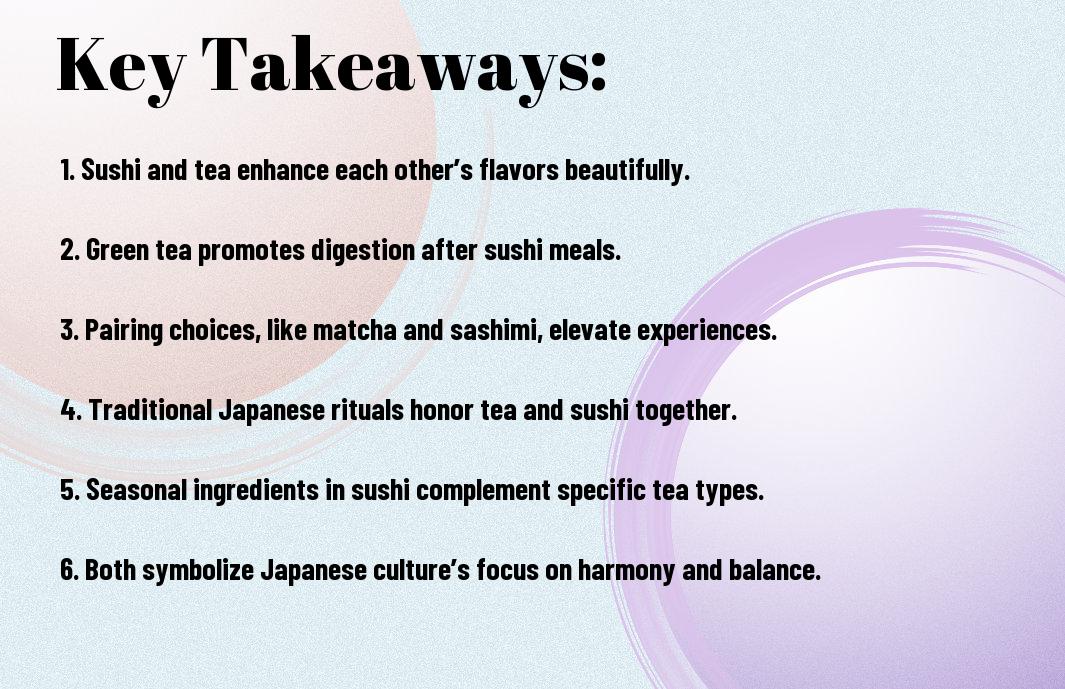
Key Takeaways:
- Complementary Flavors: The delicate flavors of sushi pair exceptionally well with various types of tea, enhancing the overall dining experience.
- Health Benefits: Both sushi and tea are known for their health properties, making them a nutritious combination that supports overall well-being.
- Cultural Significance: The pairing of sushi and tea reflects a rich cultural tradition, showcasing the artistry and mindfulness behind Japanese cuisine.
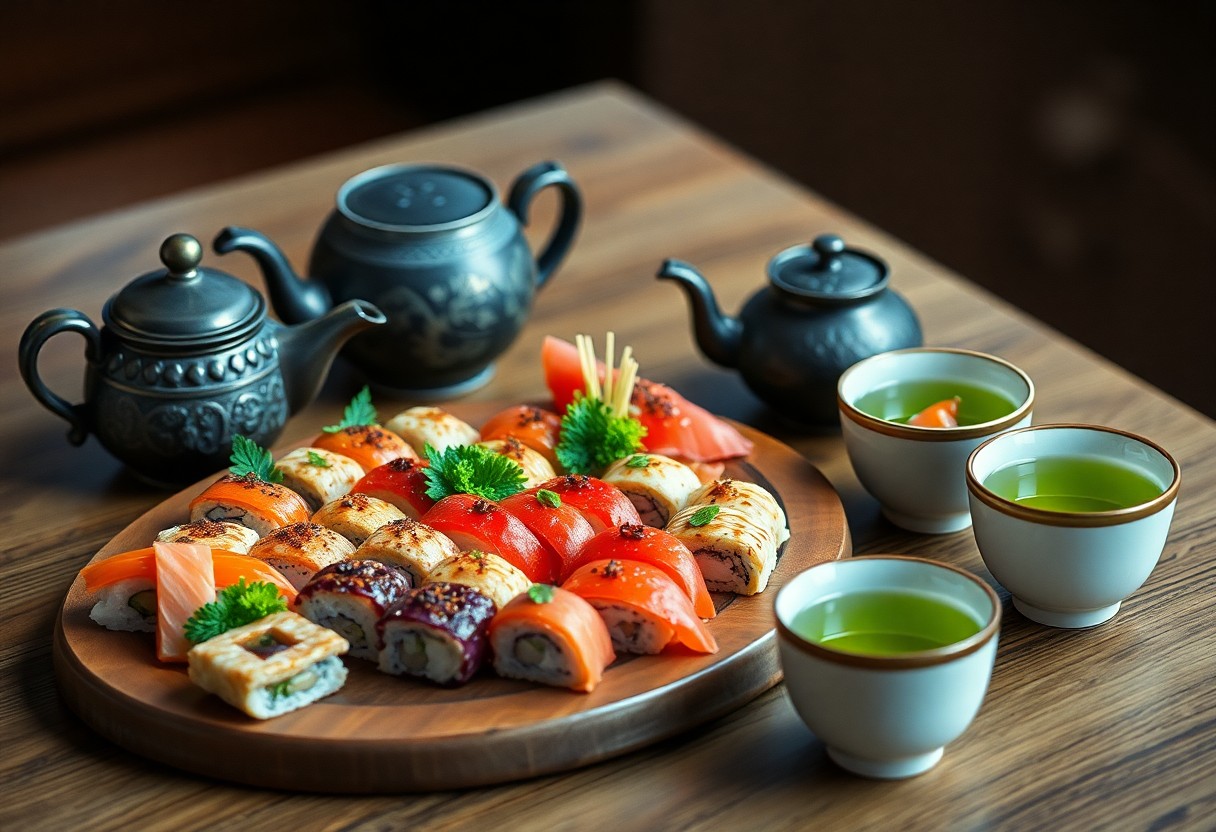
The Historical Connection Between Sushi and Tea
Your exploration of sushi and tea would not be complete without understanding their historical connection. Originating from distinct cultural practices, the pairing has evolved over centuries to symbolize harmony and balance in Japanese cuisine. This relationship has not only influenced culinary customs but has also shaped social gatherings, where sushi and tea complement each other perfectly, enhancing the dining experience.
Origins of Sushi
At its inception, sushi was a method of preserving fish through fermentation, with rice serving primarily as a vessel for flavor and nutrition. This practice dates back to ancient Japan and was heavily influenced by the necessity of food preservation methods before the advent of refrigeration. Over time, sushi transformed into the versatile culinary art form you enjoy today, complete with various styles and presentations.
Evolution of Tea Culture
One of the fascinating aspects of Japanese history is the evolution of tea culture, which began with the introduction of tea from China in the early 9th century. Initially consumed by Buddhist monks for its stimulant properties, tea soon became a staple in Japanese society, symbolizing hospitality and refinement. As you explore further, you will find that tea ceremonies became an integral tradition, promoting mindfulness and appreciation for artistry, effectively intertwining with the culinary experience that includes sushi.
A tea ceremony is a meticulous ritual that highlights the beauty of simplicity and grace, often featuring matcha, a powdered green tea that pairs wonderfully with sushi’s delicate flavors. Over the centuries, this beverage has taken on various forms and styles, influencing not just how tea is appreciated, but also how it complements the artistry of sushi. By understanding the evolution of tea culture, you can truly appreciate the depth and thoughtfulness that comes with pairing these two esteemed elements of Japanese cuisine.
Taste Profiles: Complementing Flavors
The harmony between sushi and tea arises from their unique taste profiles, where delicate flavors intertwine. Pairing them correctly enhances your dining experience. For guidance on Sushi food pairing – Perfect non-alcoholic combinations, consider how flavors complement each other, like the umami in sushi balanced by the subtle notes in your chosen tea.
Sushi Varieties and Their Pairings
Taste the difference with specific sushi types and their respective tea pairings. Each variety, whether it’s nigiri, sashimi, or rolls, presents unique flavors that demand thoughtful complements.
Types of Tea and Their Unique Qualities
For a remarkable pairing experience, you should consider the various types of tea and what makes them special. Here are some popular options:
| Type of Tea | Unique Qualities |
| Green Tea | Fruity and vegetal notes |
| Oolong Tea | Floral and creamy characteristics |
| Black Tea | Rich, malty flavor |
| White Tea | Smooth and subtle sweetness |
- The choice of tea affects your overall tasting journey.
- Consider the tea’s preparation method for the best outcome.
- Explore various brewing times to unveil hidden flavors.
- Savor how each tea enhances or contrasts with sushi.
- Perceiving these qualities can elevate your experience.
Hence, appreciating the intricate nuances of tea can significantly enrich your sushi experience. Each type of tea brings forth distinctive sensations and flavors that can complement or contrast the taste of sushi.
| Type of Tea | Flavor Profile |
| Matcha | Earthy and vibrant |
| Jasmine Tea | Floral aroma |
| Chai Tea | Spicy and robust |
| Herbal Tea | Wide range of flavors |
- Explore flavors that evoke memories or create new ones.
- Identify the best tea based on your sushi assortment.
- Experiment with pairings to discover your preferences.
- Take note of seasonality in both tea and sushi options.
- Perceiving your choices can lead to delightful discoveries.
Health Benefits of Sushi and Tea
Unlike many fast foods, sushi and tea offer a wealth of health benefits that can enhance your overall well-being. Sushi typically incorporates fresh fish, vegetables, and whole grains, providing important nutrients without excessive calories. Tea, whether green, black, or herbal, is packed with antioxidants that contribute to better heart health and reduced inflammation. Together, they create a harmonious meal that supports a balanced diet and promotes longevity.
Nutritional Aspects of Sushi
After sampling sushi, you may notice that it is a blend of nutritious ingredients. Fresh fish, high in omega-3 fatty acids, supports brain health and reduces the risk of heart disease. The seaweed wraps and rice add fiber and important vitamins, while accompanying vegetables offer a range of antioxidants. Sushi can be a satisfying meal that nourishes your body while keeping calories in check.
Antioxidants and Health Perks of Tea
The myriad health benefits of tea are primarily due to its rich antioxidant content, which helps protect your cells from damage. Incorporating tea into your routine can improve cardiovascular health, promote healthy digestion, and enhance mental clarity. With various types of tea available, you can select those that align with your personal health goals, allowing you to enjoy both great taste and nourishment.
It is well-documented that the antioxidants found in tea, such as catechins and flavonoids, play a significant role in decreasing inflammation and lowering the risk of chronic diseases. Whether you choose green tea for its metabolism-boosting properties or black tea for heart health, incorporating tea regularly can significantly enhance your wellness journey. Each cup not only revitalizes you but also serves as a healing elixir that complements your diet harmoniously.
Preparing the Perfect Meal: Sushi and Tea
After selecting the freshest ingredients, you’re ready to create an unforgettable meal that pairs sushi with tea. The beauty of this combination lies in the harmony of flavors and textures. Ensuring that your sushi is expertly crafted and your tea is perfectly brewed will bring out the best in both. Take your time to prepare, as this meal is not just about sustenance but also about the joy of experiencing two culinary arts coming together.
Sushi-Making Techniques
About the techniques for sushi-making, you have a variety of options to master, from rolling to slicing. Begin with the perfect rice, seasoned and cooled to the right temperature. You can choose classic rolls, such as maki, or try your hand at nigiri, which features a wonderful balance of fish and rice. Attention to detail and careful handling are key, and practicing these techniques will refine your skills, enabling you to create sushi that impresses your guests.
Brewing the Ideal Cup of Tea
Behind each ideal cup of tea lies the knowledge of steeping times and temperatures that suit your selected leaves. Once you’ve chosen your tea, whether green, oolong, or black, boil fresh, filtered water, allowing it to cool just enough for delicate varieties. Use the right amount of leaves to water ratio and let it steep for the recommended time to unlock the full flavors. This harmonious tea will enhance the sushi experience and cleanse your palate between bites.
Brewing your tea correctly will elevate your dining experience significantly. Use quality loose leaf tea for the best flavor, and don’t hesitate to experiment with different varieties. Each tea type has its ideal steeping temperature; for example, green tea typically requires cooler water than black tea. Be sure to monitor the steeping time closely to avoid bitterness. Once brewed, consider pairing the tea with specific sushi types to highlight their respective flavors, creating a delightful culinary adventure.
Cultural Significance in Japanese Cuisine
Despite being simple in presentation, sushi carries deep cultural significance in Japanese cuisine. Each ingredient is chosen meticulously, reflecting the seasons and local produce, which illustrates your connection to nature and highlights the importance of harmony in Japanese culture. This craftsmanship extends beyond flavor; it represents a balance of taste, aesthetics, and tradition, showcasing the artistry inherent in Japanese culinary practices.
Sushi as an Art Form
Between the techniques of selecting fresh fish and the precision required to mold rice, sushi transcends mere food preparation to become an art form. The skilled sushi chef, or itamae, embodies years of training and dedication, allowing you to experience a beautiful interplay of colors, textures, and flavors on your plate.
The Tea Ceremony Tradition
Tradition plays a vital role in the Japanese tea ceremony, known as Chanoyu, which embodies the principles of harmony, respect, purity, and tranquility. This ceremonial act is not just about drinking tea; it’s a detailed process that allows you to appreciate each movement and ingredient, enhancing your appreciation for the simplicity and complexity of the moment.
For instance, during a tea ceremony, you engage in a meditative practice where every element, from the choice of tea leaves to the style of the utensils, is carefully considered. This meticulous attention encourages mindfulness and deep appreciation for craftsmanship, allowing you to engage with Japanese culture on a profound level. The ceremony fosters a sense of connection, both with your surroundings and those participating, enhancing the overall experience and significance of tea in your life.
Contemporary Trends: Fusion and Innovation
For those who love culinary exploration, the world of sushi has expanded to incorporate an array of global flavors and innovative techniques. The fusion of traditional sushi with international influences is creating exciting new offerings, allowing you to experience a vibrant twist on classic dishes. From inventive rolls to unconventional ingredients, contemporary sushi trends celebrate creativity while respecting tradition.
New Sushi Creations with Modern Ingredients
An exciting array of new sushi creations is emerging, blending unconventional ingredients that enhance flavor profiles and texture. You might come across sushi rolls infused with ingredients like spicy tuna tartare topped with avocado mousse or tempura-fried fillings nestled in artisan sauces. These modern takes elevate the dining experience, inviting you to indulge in a fusion of taste that transcends borders.
Innovative Tea Pairings
Sushi and tea pairing is evolving, offering unique combinations that elevate your dining experience. You can now explore teas infused with hibiscus, jasmine, or even matcha to complement your sushi selections, enriching the flavors of both elements. Pairing your favorite sushi with carefully chosen teas not only enhances taste but also adds a refreshing twist to your meal.
Innovative tea pairings are taking the sushi dining experience to new heights. By selecting teas that match the specific nuances of your sushi, you enhance your palate’s journey. For instance, the delicate flavors of green tea can beautifully offset the richness of salmon, while a refreshing lemongrass tea can brighten the taste of a spicy tuna roll. Exploring these pairings allows you to connect deeply with both the sushi and tea, creating a harmonious balance that celebrates flavor innovation.
Final Words
Now that you understand the delightful synergy between sushi and tea, you can elevate your dining experience by thoughtfully pairing these two culinary wonders. The right tea not only enhances the flavors of your sushi but also complements the overall aesthetic of your meal. With green tea, genmaicha, or matcha at your disposal, you can explore countless combinations that tantalize your taste buds. So, as you commence on your sushi journey, consider how a perfectly brewed cup of tea can elevate your experience to new heights.
FAQ
Q: What types of tea pair well with different kinds of sushi?
A: The pairing of tea with sushi can enhance the dining experience significantly. For traditional nigiri, a light green tea such as Sencha complements the delicate flavors of the fish. If you are enjoying sushi with stronger flavors, such as spicy tuna, a robust tea like Hojicha or even a dark oolong may be more suitable. For sweeter sushi rolls, a floral tea like Jasmine or a fruity blend can offer a nice balance. The key is to choose a tea that either enhances or contrasts the flavors of the sushi effectively.
Q: Are there any specific health benefits of pairing sushi with tea?
A: Yes, both sushi and tea come with a variety of health benefits. Sushi, especially when made with fresh fish, is a great source of omega-3 fatty acids, which are beneficial for heart health. On the other hand, green tea is packed with antioxidants which can help in reducing inflammation and improving overall health. When consumed together, they can promote digestion and provide a refreshing feeling. Additionally, the antioxidants in tea may counteract some of the effects of heavy sauces or fried foods often associated with sushi dishes.
Q: How should sushi and tea be served for an optimal tasting experience?
A: To achieve the best tasting experience, serve the tea at the right temperature; green teas should be brewed at lower temperatures to prevent bitterness, while black or oolong teas can be brewed at higher temperatures. Ideally, the tea should be served in small cups to allow for multiple tastings. For sushi, present it on elegant platters, ensuring that each piece is easily accessible. It’s also a good idea to offer sushi with different flavor profiles so guests can explore various tea pairings throughout the meal. A calm and inviting atmosphere can further enhance the enjoyment of this exquisite combination.
