sake

What to Drink with Sushi – Sake, Wine, and More

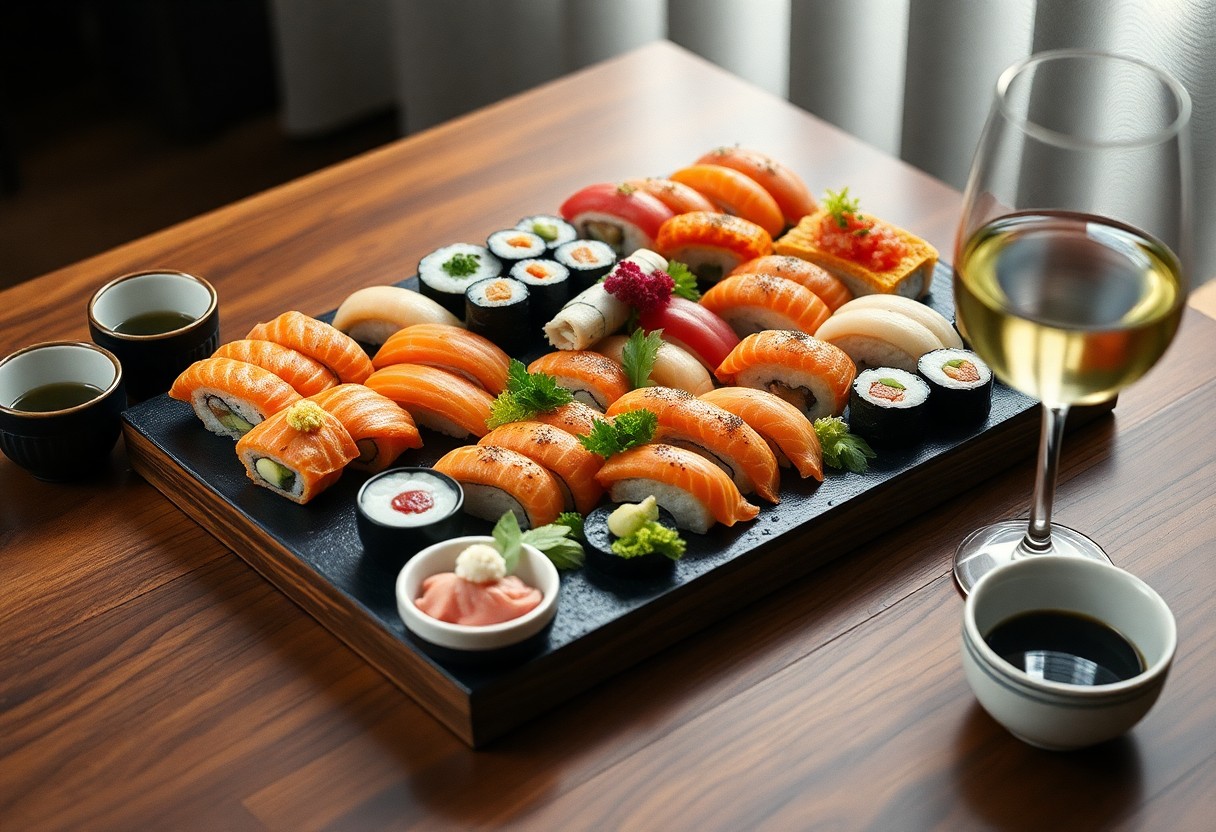
Most sushi lovers find themselves wondering what to sip alongside their favorite rolls. The right beverage can enhance your meal, making the experience even more enjoyable. Whether you prefer the traditional pairing of sake, a refreshing white wine, or even a craft beer, each option brings out unique flavors in the fish and rice. Explore various Drink pairings – Restaurants meta for expert recommendations that will take your sushi dining to the next level.

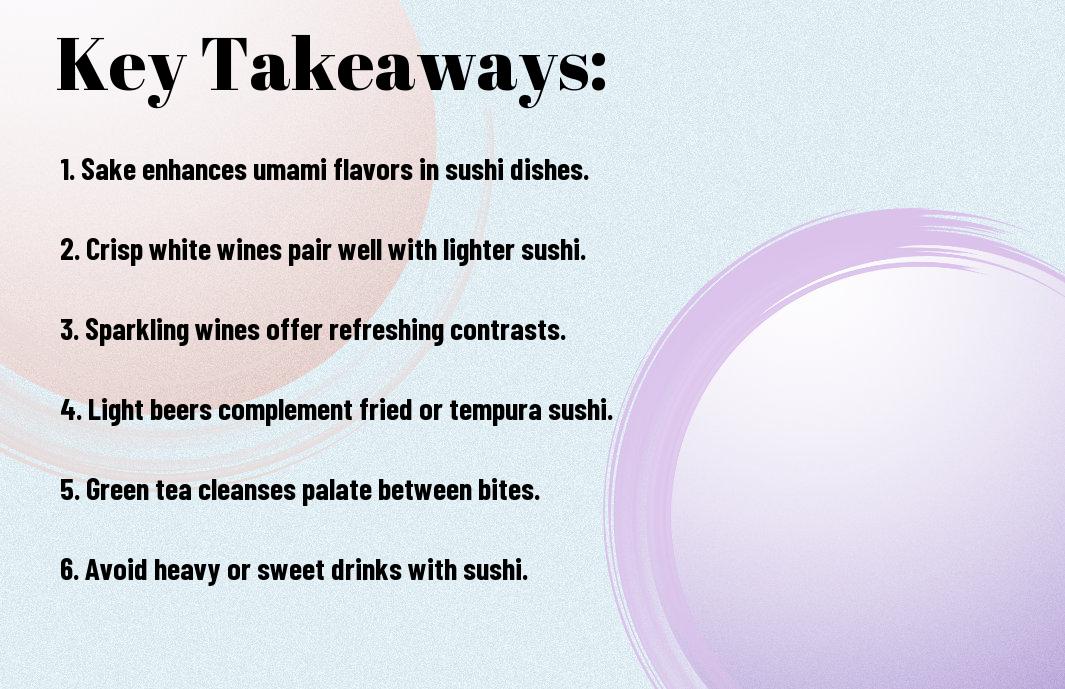
Key Takeaways:

  • Sake is a traditional and popular pairing with sushi, enhancing flavors with its varied profiles.
  • Wine, especially whites like Riesling and Sauvignon Blanc, can complement sushi’s taste and texture effectively.
  • Other beverages such as beer and green tea also offer unique and enjoyable pairings with sushi.
Understanding Sushi and Its Flavors

For sushi lovers, understanding the various elements and flavors is key to enhancing your experience. Sushi is more than just raw fish; it is a delicate art form combining rice, seaweed, and a variety of ingredients that create a symphony of tastes. By familiarizing yourself with different types and flavor profiles, you can elevate your sushi dining, enhancing not just your palate but also your overall enjoyment of this culinary delight.

Types of Sushi

One of the first things to explore is the variety of sushi available to you. Different types cater to different tastes and textures, each offering a unique experience. Below, find an overview of some popular sushi types:

Sashimi Thinly sliced raw fish, typically served without rice.
Maki Rolled sushi made with seaweed and rice, often containing fish or vegetables.
Nigiri Hand-formed rice topped with a slice of fish or other ingredients.
Temaki Hand-rolled sushi, shaped like a cone, filled with your choice of ingredients.
Uramaki Inside-out rolls where the rice is on the outside and wrapped in seaweed.
  • Each type has its own distinctive charm.
  • Mastering the distinctions can enhance your sushi experience.
  • Choosing the right type can influence your drink selection.
  • Freshness of ingredients plays a key role in flavor.
  • Perceiving these differences will deepen your appreciation for sushi.

Flavor Profiles in Sushi

Profiles of sushi can be complex, often weaving together subtle flavors and textures that delight the taste buds. Understanding these profiles allows you to pair the right beverages effectively. From the umami of fresh fish to the sweetness of rice, there are nuances in every bite that can complement your drink choices, enhancing your overall experience.

Due to the diverse ingredients used, sushi encompasses a broad range of flavor profiles. You might encounter the bright tanginess of pickled ginger, the saltiness from soy sauce, or even the creamy textures of avocado. Each bite can vary, making it necessary to identify and appreciate these flavors when selecting the right drink to accompany your meal. This way, you create harmonies in taste, transforming your sushi experience into a delightful culinary journey.

The Role of Sake

The role of sake in sushi dining extends beyond mere refreshment. It enhances the flavors of the fish while providing a harmonious pairing that complements the umami profile of sushi. As you sip on sake, you’ll find that its subtle notes resonate with the freshness of your meal, creating a delightful experience that enriches both the food and the beverage.

Types of Sake

Against the diverse world of sake, understanding its types can significantly enhance your sushi experience. Below is a table summarizing key sake types:

Type Description
Junmai Pure rice sake, rich and full-bodied.
Ginjo Slightly fruity and fragrant, polished rice.
Daiginjo Premium sake, highly polished, refined flavor.
Nigori Cloudy, unfiltered sake, rich texture.
Namazake Unpasteurized, fresh, and vibrant.
  • Junmai: Pure rice sake, rich and full-bodied.
  • Ginjo: Slightly fruity and fragrant, polished rice.
  • Daiginjo: Premium sake, highly polished, refined flavor.
  • Nigori: Cloudy, unfiltered sake, rich texture.
  • Namazake: Unpasteurized, fresh, and vibrant. Assume that diversifying your sake selection can elevate your meal.

Pairing Sake with Sushi

Between the various types of sake, the pairing with sushi can greatly enhance your dining experience. By considering the flavor profiles of both the sake and sushi, you can create balanced combinations that bring out the best in each component.

Also, explore the interaction between different sushi styles and sake varieties. Light, delicate sushi like sashimi pairs well with ginjo or daiginjo for a sophisticated match. For richer sushi, such as unagi or fried tempura, junmai or nigori can provide a complementary flavor that harmonizes wonderfully. Always experiment with different pairings to discover what suits your palate the best.

Exploring Wine Options

Unlike what many might believe, wine can be a delightful accompaniment to sushi. While sake often takes the spotlight, certain wines can enhance your sushi experience by offering contrasting or complementary flavors. It’s important to consider the type of sushi you are enjoying, as this plays a significant role in determining the perfect wine pairing. With the right selection, you can elevate your meal from good to exceptional.

White Wine Pairings

Wine has a phenomenal ability to elevate the umami flavors found in sushi. In the context of white wines, consider crisp and refreshing varieties such as Sauvignon Blanc, which complements delicate fish like sashimi or white tuna. Chardonnay, especially unoaked, can also work well with richer sushi options like salmon rolls, enhancing the overall experience without overpowering the dish.

Red Wine Pairings

White wines are typically preferred with sushi, but red wine can also find its place on your table. When choosing a red, look for lighter-bodied options, such as Pinot Noir, which harmonizes with richer fish such as tuna or eel. Their delicate tannins and bright acidity create a balance that won’t overshadow the flavors of the sushi.

In fact, some sushi enthusiasts enjoy exploring unconventional pairings, such as light Gamay or chilled Beaujolais, for an adventurous twist. These fruity and fresh red wines can surprisingly complement a variety of sushi, especially those with spicy sauces or grilled elements. The key is to ensure the wine is served slightly chilled, allowing each sip to enhance your sushi experience beautifully.

Alternative Beverages with Sushi

All your sushi dining experiences can be enhanced by exploring alternative beverages beyond sake and wine. The right drink can elevate the flavors of your sushi rolls, making each bite even more enjoyable. From beers to non-alcoholic options, there are plenty of choices that can complement your meal beautifully.

Beer and Sushi

Beverages such as beer can offer a delightful contrast to sushi’s intricate flavors. A crisp, cold lager or a light ale can refresh your palate, making it an excellent pairing for rolls filled with fresh fish. The carbonation and refreshing nature of beer can cut through the richness of the ingredients, creating a balance that enhances your meal.

Non-Alcoholic Options

Between the various alcoholic pairings, you may also lean towards non-alcoholic beverages that harmonize with sushi. Options like flavored sparkling water or green tea can be just as refreshing while complementing the umami flavors present in sushi dishes.

Also, consider trying iced matcha or fruit-infused tea as they provide a unique twist while maintaining the sushi experience. These beverages not only cleanse your palate but also add a refreshing touch, making your meal feel satisfying. Opting for non-alcoholic drinks does not mean sacrificing flavor; instead, it opens up new possibilities to explore within the world of sushi.

Regional Variations in Beverage Pairing

Keep in mind that regional variations greatly influence what you’ll enjoy with your sushi. In Japan, sake is the traditional pairing, often complemented by local beers. However, as sushi has gained global popularity, different countries have infused their beverage preferences. For instance, in the United States, you might find craft cocktails or California wines enhancing your sushi experience. Consider how local ingredients and culture can shape your drink selections, allowing you to explore a diverse range of flavors that complement your sushi.

Traditional Pairings

To fully appreciate traditional sushi, pairing it with sake or Japanese beer is a classic choice. Sake, with its delicate flavor profile, can enhance the umami notes found in fish. Light lagers or crisp ales can also provide a refreshing contrast, cleansing your palate between bites. Each region in Japan offers its own unique sake varieties, so you have the opportunity to experiment and find the perfect match for your favorite sushi rolls.

Modern Twists

Above traditional pairings, modern twists have emerged, inviting creative beverage options that elevate the sushi dining experience. Craft cocktails, infused wines, and even artisanal non-alcoholic drinks are making their way onto menus, encouraging adventurous pairings beyond the conventional staples. You may find drinks featuring unexpected ingredients that highlight or contrast the flavors of your sushi, making each bite a delightful surprise.

But the inspiration behind these modern twists often draws from diverse culinary traditions. Bartenders and mixologists are experimenting with innovative infusions, using herbs, spices, and seasonal fruits to create unique drink experiences. For example, a yuzu-infused gin and tonic can add a refreshing citrus kick, while a rich, oaked white wine might bring out the sweetness of fresh seafood. Embrace these new possibilities and let your taste buds guide your exploration of beverage pairings with sushi.

Tips for Pairing Drinks with Sushi

Not every drink complements sushi equally. Consider these tips for finding the perfect match:

  • Balance the flavors of the dish
  • Choose complementary ingredients
  • Consider the type of sushi
  • Pay attention to your mood and setting

The right drink can elevate your sushi experience.

Balancing Flavors

For optimal pairing, focus on balancing flavors between your sushi and drink. Light and fresh sushi, such as nigiri, pairs beautifully with delicate sake. Meanwhile, richer items like fatty tuna benefit from bolder beverages, like full-bodied white wines. Experiment with contrasting and harmonizing notes to enhance your meal.

Personal Preferences

Around the options available, your personal preference should guide your choice of drink. Wine lovers may favor a crisp Sauvignon Blanc, while traditionalists might prefer classic sake. Your unique taste can help dictate what works best for you.

Also, consider trying different combinations over time to discover your preferred pairings. Both sweet and dry sakes can find their place alongside various sushi types, and the same goes for wines. Exploring these personal inclinations allows for a more tailored dining experience, helping you enjoy each dish to its fullest. Embrace the adventure, and don’t shy away from mixing things up based on what you love!

Final Words

With this in mind, choosing the right beverage to accompany your sushi experience can enhance both the flavors of the dish and your overall enjoyment. Whether you opt for the traditional nuances of sake, the refreshing qualities of certain wines, or even a unique cocktail, understanding how each pairing complements your sushi will elevate your meal. Explore different options and don’t hesitate to try something new—your taste buds will thank you for the adventure.

FAQ

Q: What types of sake pair best with sushi?

A: When opting for sake to accompany sushi, opt for ginjo or daiginjo varieties. These premium sakes are known for their fruity and floral notes, which complement the delicate flavors of sushi. Junmai sake, with its rich and bold profile, can also work well, especially with richer fish like salmon or tuna. Chilled sake generally pairs better with sushi, as its refreshing nature enhances the overall dining experience.

Q: Can I drink wine with sushi, and if so, which types are recommended?

A: Yes, wine can be an excellent accompaniment to sushi. For white wine, consider crisp and dry options like Sauvignon Blanc, which can highlight the freshness of the fish. Alternatively, a dry Riesling offers a hint of sweetness that pairs nicely with more complex sushi rolls. For red wine lovers, light-bodied varieties such as Pinot Noir can be suitable, especially with richer fish. Always aim for wines that will not overpower the subtle flavors of sushi.

Q: Are there any non-alcoholic beverages that pair well with sushi?

A: Absolutely! For non-alcoholic options, green tea is a traditional pairing that complements sushi beautifully with its earthy notes. Matcha latte can also be a delightful choice, adding a creamy texture. Occasionally, sparkling water enhances the palate and offers a refreshing contrast to the meal. You might also enjoy fruit-infused drinks like yuzu lemonade, which provide a zesty kick while respecting the sushi’s flavors.
Sushi and Sake – Exploring Perfect Pairings

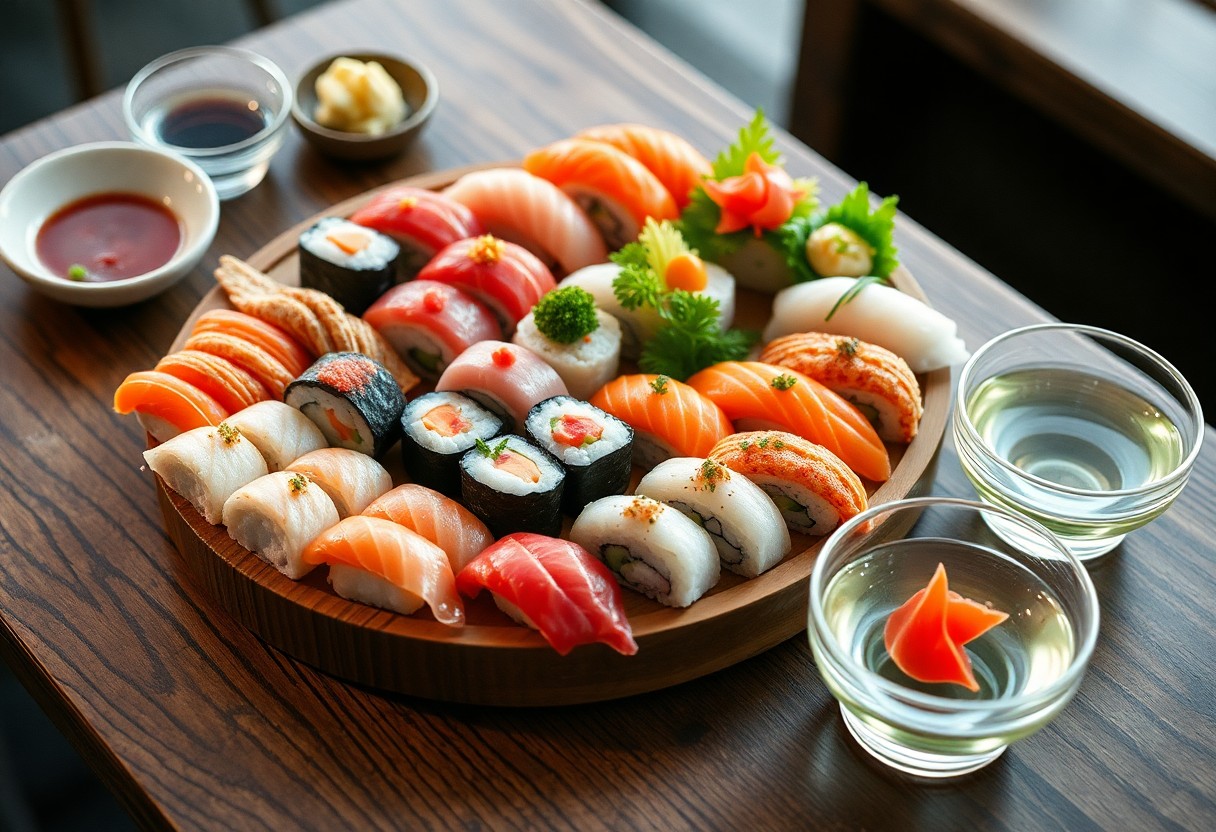
Over time, you may have discovered the delightful experience of enjoying sushi paired with sake, but do you know how to enhance that experience even further? In this post, you will uncover the imperative tips and guidelines for creating ideal pairings that elevate both your sushi and sake tasting journey. From understanding the flavor profiles to considering the textures, you’ll gain valuable insights that will help you make informed choices on your next dining adventure. Let’s look into the world of sushi and sake harmonies together!

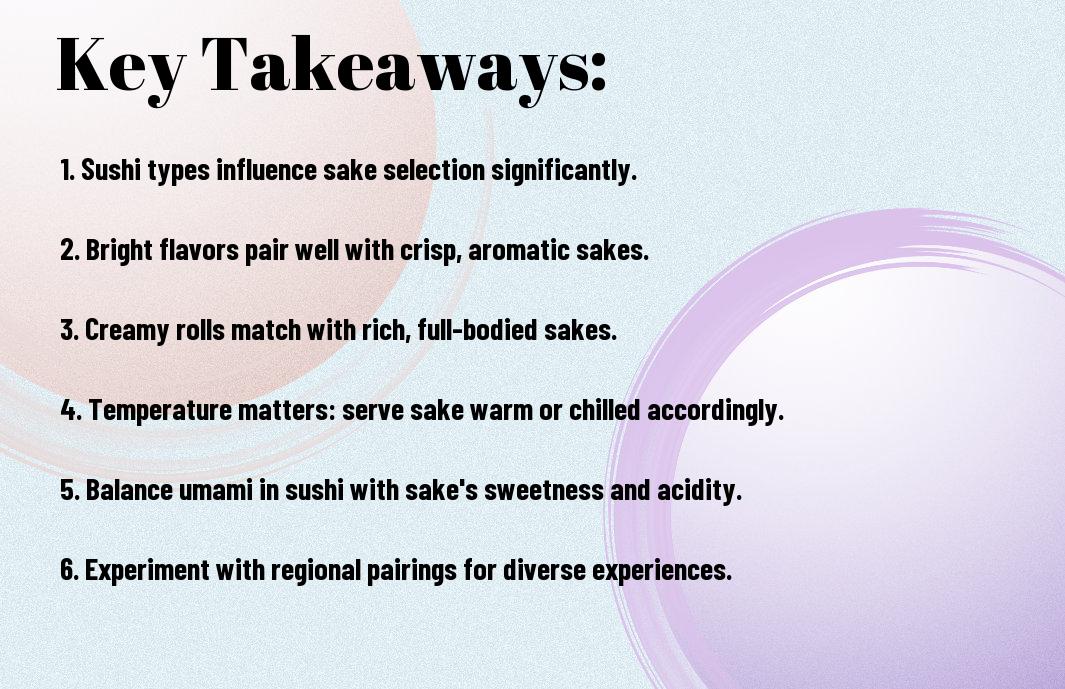
Key Takeaways:

  • Sushi Types: Different types of sushi like nigiri, sashimi, and rolls have unique flavors that can enhance the pairing experience with sake.
  • Sake Varieties: Understanding the various sake options, such as Junmai, Ginjo, and Daiginjo, can elevate your tasting journey when matched with sushi.
  • Temperature Matters: The temperature at which sake is served can significantly alter its taste and compatibility with sushi, making it an important factor in enjoying both.

The Art of Sushi

Before entering into the world of sushi, it’s crucial to appreciate the meticulous artistry behind its creation. Sushi is not merely a dish but an expression of culture and technique that has evolved over centuries. The precision in crafting each piece showcases the harmony between flavor, texture, and visual appeal, allowing you to truly savor every bite.

Different Types of Sushi

Before you indulge in sushi, understand the various forms it takes. Each type offers a unique experience worthy of exploration.

  • Nigiri – hand-formed rice topped with fish
  • Maki – rolled sushi, often wrapped in seaweed
  • Sashimi – slices of fresh fish without rice
  • Temaki – cone-shaped hand rolls
  • Uramaki – inside-out rolls, with rice on the outside

Perceiving the distinctions among these styles enhances your sushi dining adventure, inviting you to discover your favorites.

Ingredients and Preparation Techniques

Along with the variety of sushi types, the ingredients and preparation techniques play a significant role in your sushi experience. You will find that fresh, high-quality ingredients are vital for authentic flavors.

At the heart of sushi preparation lies sushi rice, seasoned with vinegar, sugar, and salt, forming the backbone of each dish. Premium fish, like tuna and salmon, is often used, along with vegetables such as avocado and cucumber. The cutting technique is vital, as is the balance of flavors and textures in each piece. Understanding these elements deepens your appreciation for sushi, transforming a simple meal into an exquisite experience.

Understanding Sake

If you want to deepen your appreciation for your sushi experience, getting familiar with sake is important. This traditional Japanese rice wine is not just a beverage; it’s part of Japan’s rich culture and history. Understanding its nuances can lead you to enhance your culinary adventures, allowing you to discover flavors that perfectly complement the dishes you love.

Types of Sake

  • Junmai: Pure rice sake, rich and full-bodied.
  • Ginjo: A fragrant and delicate sake with fruity notes.
  • Daiginjo: Premium sake with a refined taste and floral aroma.
  • Namazake: Unpasteurized sake known for its fresh flavor.
  • Nigori: Cloudy sake with a creamy texture.

Any of these varieties can elevate your sushi experience in unique ways.

Type of Sake Description
Junmai Pure rice sake, rich and full-bodied.
Ginjo Aromatic with fruity notes, lighter on the palate.
Daiginjo Premium quality, sophisticated and floral.
Namazake Fresh, unpasteurized sake with vibrant flavors.

Brewing Process and Flavor Profiles

Process varies from one sake to another, but typically, it involves steaming rice, adding koji mold, yeast, and water for fermentation. Each stage of this meticulous process influences the final flavor, aroma, and texture of the sake. The balance of ingredients and precision in brewing yield countless variations, making every sip a discovery.

In addition to brewing, factors such as the type of rice used, the water source, and fermentation time play significant roles in shaping flavor profiles. For instance, softer waters often result in smoother sake, while the choice of yeast can impart unique aromas. This interconnectedness means that understanding these elements will empower you to choose the right sake for any sushi dish, perfectly tailoring your dining experience.

Pairing Sushi with Sake

To elevate your sushi experience, pairing it with the right sake can enhance the flavors of both. The delicate profiles of sushi and the nuanced notes in sake complement each other beautifully, creating a harmonious dining experience. Whether you prefer rich, oily fish or lighter vegetable rolls, understanding the fundamentals of pairing will help you discover combinations that delight your palate.

Complementary Flavors

Around each sushi type, there exists an ideal sake counterpart that highlights its unique taste. For instance, a creamy salmon nigiri pairs well with a fruity Junmai Ginjo, while the crisp freshness of a cucumber maki resonates with a dry, refreshing Honjozo. When you focus on matching the textures and flavors, you’ll achieve a symphony in your bowl.

Regional Pairing Practices

One fascinating aspect of pairing sushi and sake is the regional practices that influence your choices. Many regions in Japan have their own signature types of sake, which are traditionally enjoyed with specific sushi styles.

Also, understanding the local customs can deepen your appreciation for the pairing. In regions like Hokkaido, full-bodied sake complements the rich seafood found in their sushi. Conversely, in areas like Kyoto, where lighter, more delicate sushi is prevalent, you’ll find that subtle, fragrant sakes enhance the dining experience. Exploring these regional traditions opens up a world of flavors that are distinctly tied to Japan’s culinary heritage.

Enhancing Your Dining Experience

All great dining experiences are curated with an understanding of flavor, ambiance, and tradition. By embracing the art of pairing sushi with sake while considering the nuances of serving and etiquette, you can elevate your meal from ordinary to extraordinary. With these insights, your sushi and sake journey will unfold in a way that both honors the craft and delights your senses.

Serving Temperature and Glassware

Below is a guide to optimal serving conditions for both sushi and sake:

Type Serving Temperature
Sushi Room Temperature
Junmai Sake Warm (40-45°C)
Ginjo Sake Chilled (7-10°C)
Glassware Traditional Sakazuki or Wine Glass

Sushi Etiquette and Tips

Below are some necessary sushi etiquette tips to enhance your dining experience:

  • Use chopsticks or your hands for nigiri, dip fish side only into soy sauce.
  • Energize your palate by cleansing with pickled ginger between different types of sushi.
  • Order sushi in a traditional manner, starting from lighter flavors to stronger ones.
  • Express your appreciation to the chef with a slight bow or nod.

This knowledge not only enriches your meal but also shows respect for the culinary traditions behind sushi. Practicing these tips will help create a gracious atmosphere and deepen your connection with your dining experience.

  • Always thank your server and chef to acknowledge their craftsmanship.
  • Take your time; savor each piece and the accompanying flavors of the sake.
  • Avoid overwhelming your palate by ordering too many types of sushi at once.
  • Consider the sushi chefs’ suggestions to enhance your dining experience.

This thoughtful approach will make your sushi dining adventure more enjoyable and culturally immersive.

Sushi and Sake Around the World

Many cultures have embraced sushi and sake, with each region adding its unique twist. From the street stalls of Tokyo to upscale sushi bars in New York, your taste experience can vary drastically based on location. As sushi has gained global popularity, regional adaptations have emerged, adapting to local tastes while still celebrating the essence of this Japanese delicacy and drink pairing.

Global Variations

Sushi can be found in an array of forms, from the traditional nigiri and maki to quirky interpretations that reflect local preferences. In places like Brazil, sushi rolls often feature tropical fruits, while in Sweden, you might encounter sushi made with herring. These variations show how sushi can be tailored to fit your local palate while staying true to its origins.

Fusion Trends

Around the globe, chefs are pushing the boundaries of sushi and sake pairings by incorporating diverse ingredients and culinary techniques. Fusion sushi bars are emerging, offering creative combinations, such as spicy tuna tacos or sushi burritos, that blend flavors from different cuisines, allowing you to explore an innovative dining experience.

Indeed, fusion trends are transforming the way you enjoy sushi and sake. With influences from Mexican, Italian, and even American barbecue, these daring combinations invite you to rediscover your favorites in unexpected ways. By exploring the world of fusion sushi, you open yourself up to new textures and flavors that push conventional boundaries, ultimately enhancing your sushi and sake experience.

Health Benefits of Sushi and Sake

Your journey into the world of sushi and sake not only tantalizes your taste buds but also offers numerous health benefits. Sushi is rich in omega-3 fatty acids, which promote heart health, while the fermented nature of sake provides probiotics that can aid digestion. Additionally, these culinary delights are often low in calories, making them a great choice for health-conscious individuals.

Nutritional Aspects

Health benefits of sushi stem from its diverse ingredients, such as fresh fish, vegetables, and rice. Fish, especially fatty varieties like salmon, is packed with important nutrients, including protein, vitamins, and omega-3 fatty acids. Sushi is also often paired with nutritious vegetables like avocado and cucumber, enhancing your overall nutrient intake.

Moderate Consumption Advice

Before indulging in sushi and sake, it’s important to practice moderation to fully enjoy their benefits without potential drawbacks. While both can be healthy choices, excessive intake—especially of sake—can lead to negative health repercussions.

But, striking a balance is key. Enjoying sushi as a part of a varied diet allows you to reap its benefits without overindulging. Sake, while delicious, should be savored, and moderation ensures you enjoy its flavors without the side effects of excessive alcohol consumption. Aim for a mindful approach, focusing on quality rather than quantity, to enhance your sushi and sake experience.

Conclusion

As a reminder, your exploration of sushi and sake pairings opens up a world of flavor combinations that can elevate your dining experience. By understanding the nuances of different sushi types and their corresponding sake options, you can enhance both the taste and enjoyment of your meals. Whether you prefer a rich Junmai or a crisp Ginjo, matching textures and flavors will enrich your palate. So the next time you indulge in sushi, consider the sake you choose, and savor the harmonious union of these Japanese culinary delights.

FAQ

Q: What types of sake pair best with different kinds of sushi?

A: The pairing of sake with sushi can enhance the overall dining experience. Light, delicate sushi such as sashimi pairs well with a clean and crisp Junmai sake, which complements the freshness of the fish. For richer sushi options like eel or seared tuna, a more aromatic sake such as Ginjo or Daiginjo offers a balance that accentuates the depth of flavors. Additionally, if you’re enjoying spicy rolls, a slightly sweeter sake can help to mellow out the heat.

Q: Are there any general guidelines for matching the flavor profiles of sake and sushi?

A: Yes, there are several guidelines to consider when matching sake with sushi. Consider the flavor and texture of the sushi; lighter and milder sushi typically pairs well with lighter sake varieties, while bolder sushi can hold up to more robust sakes. Also, consider the temperature of the sake: chilled sake is often better suited for lighter dishes, whereas warmer sake can enhance the umami flavors of richer dishes. Ultimately, balance is key; aim for a harmonious complement between the sake’s acidity and the sushi’s flavor.

Q: How can I enhance my sushi and sake pairings at home?

A: To elevate your sushi and sake pairings at home, start by choosing quality ingredients for both your sushi and sake. Experiment with different types of sake to understand their unique flavor profiles and how they interact with various types of sushi. Hosting a tasting night with friends can also be a fun way to explore different pairings. Pay attention to the seasonality of both sushi ingredients and sake, and don’t hesitate to ask your local sake shop for recommendations that would work well with specific sushi types. Educating yourself on the basics of both sushi and sake will go a long way in creating enjoyable pairings.

Skip to content