pro

How to Make Sushi Rice Like a Pro

Sushi rice serves as the foundation for creating delicious sushi, and mastering it can elevate your culinary skills significantly. In this guide, you will learn the important steps to prepare perfect sushi rice that boasts the right texture and flavor. With just a few simple techniques, you can impress your friends and family with homemade sushi that tastes just like it’s from a restaurant. To kick-start your journey, check out this discussion on How do you make good Sushi Rice at home? and get inspired!

Key Takeaways:

  • Rice Selection: Use high-quality short-grain Japanese rice for the best texture and flavor.
  • Washing Rice: Rinse the rice multiple times until the water runs clear to remove excess starch.
  • Cooking Method: Utilize a rice cooker or a pot with a tight-fitting lid for even cooking.
  • Seasoning: Prepare a mixture of rice vinegar, sugar, and salt to achieve the classic sushi rice taste.
  • Cooling Technique: Spread the rice on a wooden or flat surface and fan it to cool down before use.
Understanding Sushi Rice

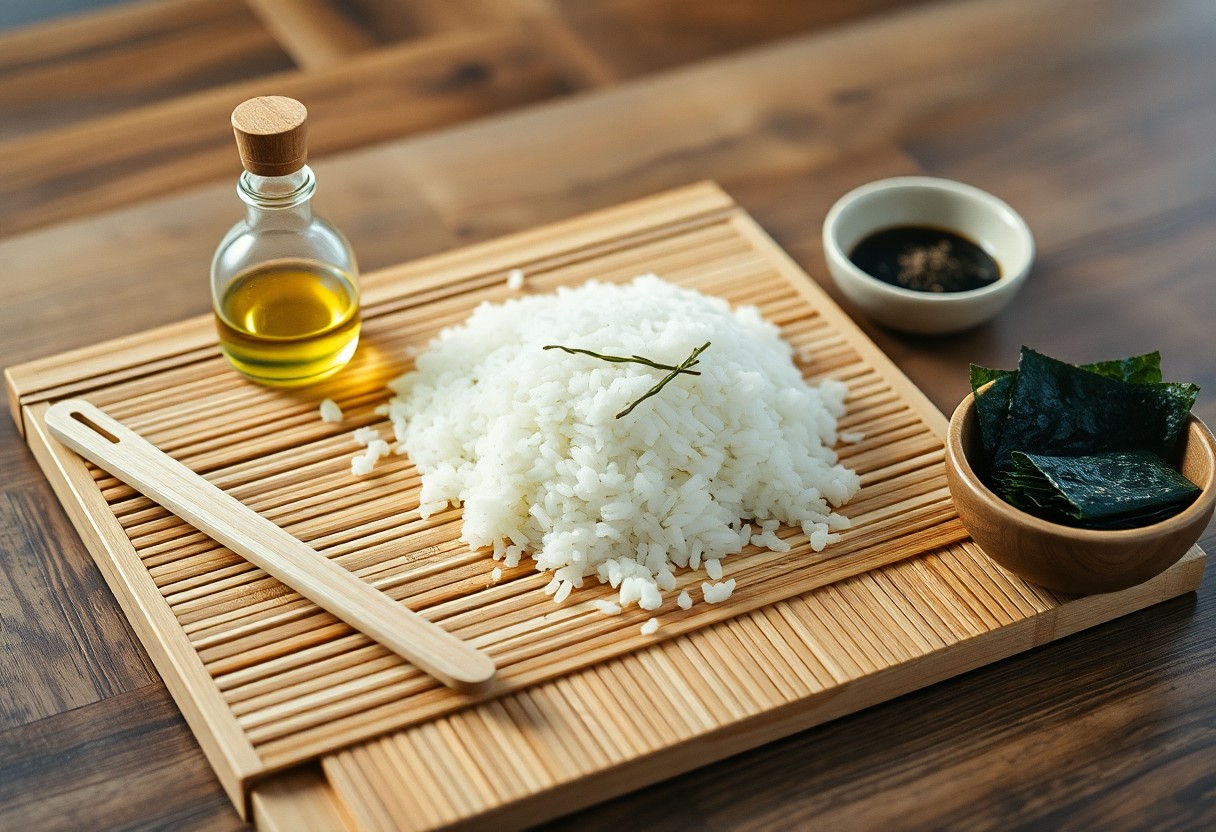
The foundation of great sushi lies in sushi rice, known as shari or sumeshi. This sticky, short-grain rice is vital for achieving the perfect texture and flavor in your sushi. To learn how to cook it properly, check out this Easy Sushi Rice Recipe. With the right method, you can elevate your sushi-making skills and impress your guests with authentic-tasting sushi.

The Importance of Rice Type

At the heart of successful sushi is the type of rice you choose. Sushi rice must be short-grain and high in starch, which creates the desired stickiness when cooked. This specific texture helps the rice hold its shape, making it an ideal base for various sushi forms.

The Role of Water Quality

Type of water used for cooking rice significantly influences the final taste and texture of your sushi rice. Using filtered or purified water removes impurities and enhances the rice’s flavor. This not only ensures a cleaner taste but also allows the rice to absorb water evenly, leading to a superior texture that binds well.

Water quality can have a profound impact on the cooking process of your sushi rice. Tap water, depending on the minerals and chemicals it contains, might affect the flavor profile of the rice. By opting for filtered water, you are helping your rice perform to its best potential, resulting in a pleasantly balanced taste and the right stickiness. Choosing the right water contributes to the overall authenticity of your sushi, showcasing the meticulous attention to detail that defines this beloved cuisine.

Preparing Sushi Rice

Some may overlook the importance of preparing sushi rice, but it is key to achieving the perfect texture and flavor. Start by selecting high-quality short-grain sushi rice, which will provide the right stickiness needed for rolling. The process involves washing, soaking, and cooking the rice properly, ensuring it will hold together beautifully as you create your sushi masterpieces.

Washing and Soaking

Preparing sushi rice begins with washing the grains to remove excess starch. Gently rinse the rice in cold water until the water runs clear, which helps improve texture. After washing, soak the rice for 30 minutes, allowing it to hydrate evenly, resulting in perfectly cooked grains.

Cooking Techniques

Beside the washing and soaking steps, mastering cooking techniques is vital for achieving sushi rice perfection. Cooking the rice with the right ratio of water—typically, 1 cup of rice to 1.2 cups of water—ensures it cooks evenly while retaining moisture. Utilizing a rice cooker or a pot with a tight-fitting lid can help produce the desired consistency.

Sushi rice should be cooked gently, allowing it to steam rather than boil. Once the water reaches a boil, reduce the heat to low and cover, cooking for about 18-20 minutes. Let it rest off the heat, covered, for another 10 minutes to enhance the texture. Fluff the rice gently with a wooden spoon before incorporating it with vinegar mixture for that signature sushi flavor.

Seasoning Sushi Rice

After cooking your rice, it’s time to season it for that authentic sushi flavor. Mix together rice vinegar, sugar, and salt to create a balance of sweet, salty, and tangy notes. Gradually fold this seasoning mixture into your rice while it is still warm, ensuring that every grain absorbs the flavors. This step is vital to achieving the perfect sushi rice that complements your ingredients and rolling technique.

Essential Ingredients

Beside the steamed rice, you will need rice vinegar, sugar, and salt as your key seasoning ingredients. The vinegar not only adds a distinct flavor but also helps to achieve the desired stickiness in the rice. Adjust the quantities based on your personal taste, but a typical ratio is 1/4 cup of rice vinegar, 2 tablespoons of sugar, and a teaspoon of salt for every 2 cups of uncooked rice.

Proper Mixing Methods

Essential to achieving perfectly seasoned sushi rice is how you mix in the seasoning. Avoid stirring too vigorously, as this can break the delicate grains and lead to a mushy texture. Instead, opt for a folding technique, gently incorporating the seasoning into the rice while fanning it to cool it down slightly.

For instance, use a shallow wooden paddle or spatula to scoop from the bottom and lift the rice while gently turning it over, allowing the seasoning to coat each grain evenly. This method helps maintain the rice’s texture while promoting an even distribution of flavors. Continue the process until all the rice is seasoned, and the mixture is well-combined, without losing the integrity of the rice grains.

Achieving the Right Texture

Now that you understand the importance of using the right type of rice, achieving the perfect sushi rice texture involves mastering both water ratios and cooking times. You want your rice to be firm yet tender, sticky enough to hold together, but not mushy. The ideal texture is what sets your sushi apart and enhances the overall dining experience.

Temperature Control

Along with cooking technique, managing the temperature of your rice is vital. A couple of factors that influence this process are:

Temperature Control Factors

Initial Cooking Temperature Medium-high heat to bring water to a boil, then reduce to low.
Resting Temperature Allow the rice to rest covered to steam for the right texture.

Cooling Techniques

Below, applying effective cooling techniques will enhance the texture of your sushi rice. After cooking, gently spread the rice onto a bamboo mat or a wooden platter for optimal cooling without creating excess moisture. Avoid plastic containers as they retain heat and moisture, which can alter the desired consistency.

Hence, the cooling process aids in creating a glossy finish while allowing the rice grains to firm up. A fan or traditional hand-held fan can help speed up this process while simultaneously dispersing the excess steam. This step ensures your sushi rice maintains an ideal texture that’s not only visually appealing but also easier to work with. By maintaining precise control over temperature throughout cooking and cooling, you will elevate your sushi-making skills significantly.

Tips for Perfect Sushi Rice

All sushi lovers will tell you that the texture and flavor of your rice are key to achieving authentic sushi. Follow these expert tips:

  • Use the right type of rice; short-grain Japanese rice is ideal.
  • Rinse your rice until the water runs clear to remove excess starch.
  • Don’t skip the soaking process; letting your rice soak for 30 minutes enhances its texture.
  • Use a rice cooker for consistent results.
  • Season your rice immediately after cooking for the best flavor.

Knowing these tips will elevate your sushi-making skills significantly.

Avoiding Common Mistakes

Against popular belief, it is easy to make mistakes when preparing sushi rice. Avoid using regular long-grain rice, as it lacks the necessary stickiness. Be careful not to skip rinsing the rice, as this can result in overly starchy grains. Additionally, let your rice cool to room temperature before adding vinegar; adding it too early can produce mushy rice.

Storage Suggestions

By properly storing your sushi rice, you can maximize its freshness and flavor. Ideally, sushi rice should be used immediately after preparation for the best taste, but if you have leftovers, cool it to room temperature and store it in an airtight container in the fridge.

For instance, leftover sushi rice can be kept in the refrigerator for up to two days. When ready to use, you can gently reheat it with a splash of water to restore some moisture. Just be cautious not to overheat, as it can lose its texture. The warmth will help maintain its stickiness when used for sushi rolls or onigiri (rice balls).

Pairing Sushi Rice with Sushi

Not all sushi rice is created equal, and it’s crucial to pair it with the right sushi types to elevate your culinary experience. The flavor, texture, and presentation of your sushi greatly depend on how well the rice complements the ingredients. Consider various sushi styles to discover the perfect match for your homemade sushi rice.

Types of Sushi to Consider

About the different sushi types, below are some varieties you should consider when pairing:

Sushi Type Description
Nigiri Hand-formed rice topped with fish or seafood.
Maki Rolled sushi with rice and fillings wrapped in seaweed.
Sashimi Thin slices of fresh fish served without rice.
Temaki Hand-rolled sushi cones filled with various ingredients.
Uramaki Inside-out rolls with rice on the outside.

Knowing how to select the right sushi style will help enhance the overall balance of flavors in your meal.

Flavor Enhancements

One way to elevate your sushi rice is by incorporating various flavor enhancements that marry well with the ingredients. Adding elements such as vinegar, sesame seeds, or even a dash of soy sauce can transform the taste of your sushi rice.

Types of flavor enhancements include rice vinegar mixed with sugar and salt, sesame oil for a nutty twist, or even mirin for a hint of sweetness. Experimenting with these ingredients can lead to delightful discoveries, enhancing both the rice’s flavor and its complement to the fish or vegetables you choose. You might find that a simple tweak makes your sushi stand out even more.

Final Words

From above, mastering the art of sushi rice takes practice, but with your newfound knowledge of rinsing, soaking, and cooking techniques, you’re well on your way to impressing friends and family. Keep experimenting with the rice-to-water ratio until you find your perfect balance, and don’t hesitate to explore additional resources to enhance your skills. If you’re curious about alternatives, check out Can you use regular white rice to make sushi at home? If … for more insights. Happy sushi-making!

Q: What type of rice is best for making sushi rice?

A: The best type of rice for sushi is short-grain Japanese rice, often labeled as sushi rice. This variety is known for its sticky texture, which helps the rice hold together when forming sushi rolls. Unlike long-grain rice, the shorter grains have a higher starch content, making them ideal for achieving that perfect sushi consistency.

Q: How do I properly season sushi rice?

A: To season sushi rice, you need to prepare a mixture of rice vinegar, sugar, and salt. Begin by heating about 1/4 cup of rice vinegar with 2 tablespoons of sugar and 1 teaspoon of salt in a small saucepan, stirring until dissolved. After cooking your rice and allowing it to cool slightly, drizzle the vinegar mixture over the rice and gently fold it in using a paddle or wooden spoon. Take care not to mash the rice while mixing, and fan the rice to help it cool down quickly and achieve a shiny appearance.

Q: What is the best way to cook sushi rice for optimal texture?

A: To achieve optimal texture, rinse the sushi rice under cold water until the water runs clear to remove excess starch. This prevents the rice from becoming overly sticky. Use a rice cooker or stovetop absorption method. If using a rice cooker, follow the manufacturer’s guidelines for water-to-rice ratios, typically 1:1.1 (rice to water). For stovetop cooking, use the same ratio but bring the water to a boil, reduce the heat to low, cover, and let it simmer for about 20 minutes. After cooking, let the rice sit covered for an additional 10 minutes to steam, ensuring a fluffy texture.
How to Serve Sushi Like a Pro

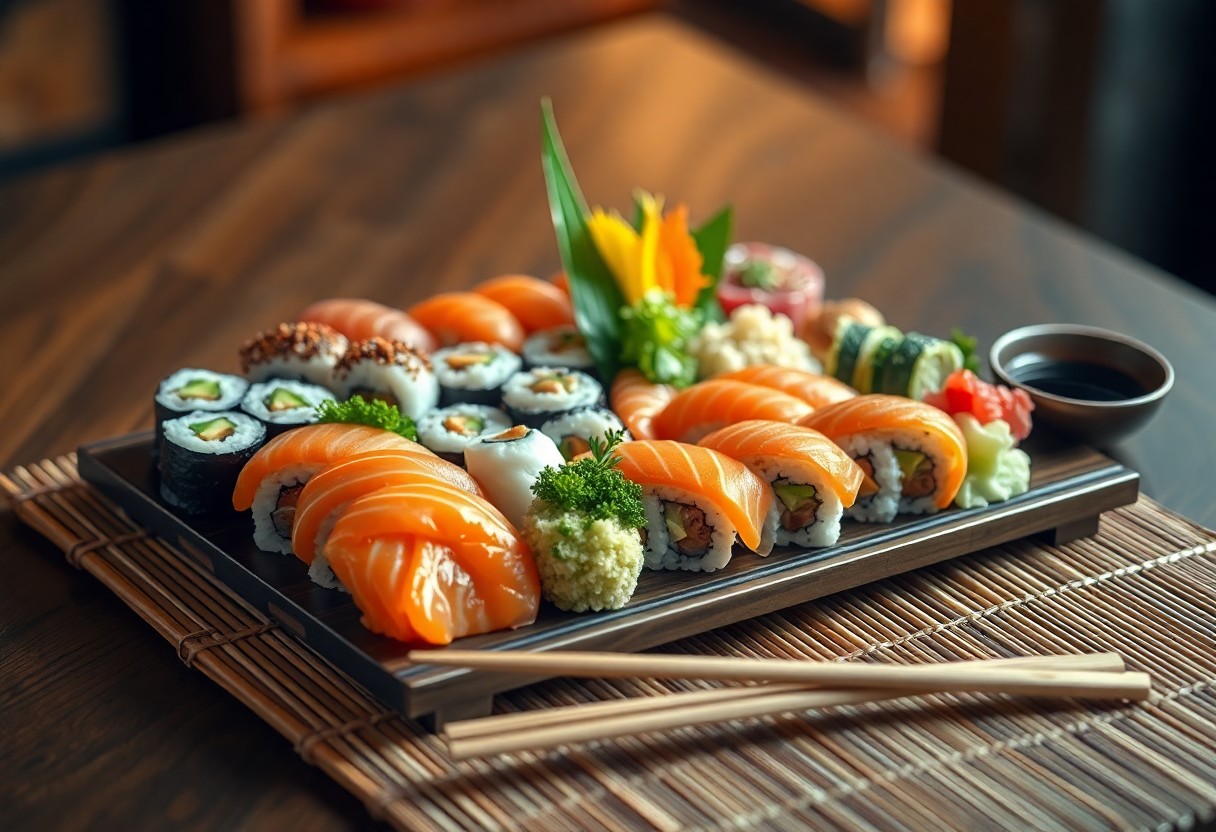
Over time, mastering the art of serving sushi can elevate your dining experience and impress your guests. You’ll learn the crucial techniques and presentation tips that transform your sushi from simple rolls to an exquisite culinary experience. From selecting the right serving dishes to understanding the art of garnishing, this guide will equip you with everything you need to know to serve sushi like an expert, ensuring that every meal is not just delicious, but visually stunning as well.

Key Takeaways:

  • Presentation: Arrange your sushi attractively on the plate, utilizing garnishes like wasabi and pickled ginger to enhance visual appeal.
  • Chopsticks Etiquette: Teach your guests the proper way to use chopsticks, including avoiding placing them directly in rice bowls, to elevate the dining experience.
  • Serving Temperature: Serve sushi at the ideal temperature, ensuring that fish is slightly chilled while rice is at room temperature for optimal flavor.

Understanding Sushi Types

The world of sushi is diverse and offers various styles to suit your taste. Each type has unique preparation methods and ingredients. Here’s a brief overview:

Sushi Type Description
Nigiri Hand-formed rice topped with fish or seafood.
Sashimi Thinly sliced raw fish served without rice.
Maki Rolled sushi with rice and fillings wrapped in seaweed.
Temaki Hand-rolled cones of sushi ingredients.
Uramaki Inside-out rolls with rice on the outside.

Perceiving the differences among these types will enhance your sushi experience.

Nigiri

The basis of nigiri is a small mound of vinegared rice, shaped by hand and topped with a slice of fresh fish or seafood. This elegant form of sushi showcases the quality of the fish, often accompanied by wasabi or soy sauce for added flavor.

Sashimi

Before we dive deeper, it’s important to note that sashimi consists solely of thinly sliced raw fish, offering pure taste and texture without the presence of rice.

Sushi lovers appreciate sashimi for its simplicity and the exceptional quality of fish used. The preparation requires precision, highlighting the freshness and taste of the fish itself, often served with garnishes like wasabi, ginger, and soy sauce to enhance your experience.

Maki

Understanding maki involves recognizing it as a rolled sushi, where vinegared rice and various fillings are wrapped in nori, or seaweed. This popular sushi type comes in numerous variations to please every palate.

Also, maki can be customized with multiple ingredients, including vegetables, seafood, and even fruits, making it a versatile option for any sushi platter. Each roll offers a unique combination, providing an excellent opportunity to explore different flavors and textures.

Essential Sushi Serving Tools

One of the key factors in serving sushi like a pro is having the right tools at your disposal. The proper serving tools not only enhance the presentation but also ensure that your sushi stays fresh and delicious. This guide will walk you through the imperative items you need to impress your guests and elevate your sushi-making experience.

Sushi Mats

Tools like bamboo sushi mats are indispensable when rolling your sushi. These mats help you create uniform rolls with ease, ensuring that the sushi maintains its structure while being served. With a good quality sushi mat, you can create professional-looking sushi at home.

Knives

Below, investing in a high-quality sushi knife will significantly enhance your sushi preparation. A traditional yanagiba knife, with its sharp edge and long blade, allows you to slice through fish and vegetables cleanly, making your presentation immaculate.

To achieve the finest cuts, it’s imperative to keep your knife well-honed and to familiarize yourself with the proper technique. A sharp knife not only reduces the likelihood of tearing the fish but also enhances the overall appearance of your sushi, making it visually appealing for your guests.

Serving Dishes

Below, serving dishes play an important role in the sushi experience. Traditional Japanese plates or wooden boards can enhance the presentation of your sushi, making it look as appetizing as it tastes. The right serving dishes can complement the colors and textures of your sushi creations, adding an elegant touch to your dining experience.

A thoughtful presentation can elevate your sushi from a simple meal to an impressive culinary art. Consider using various shapes and sizes for your serving dishes to create an attractive display that highlights your rolling skills and the delicious ingredients you’ve chosen.

Preparing the Perfect Sushi Rice

Your sushi rice is the foundation of a great sushi experience, so it’s important to invest time in mastering its preparation. Start with high-quality short-grain rice, as it features the right texture and stickiness to hold your sushi together beautifully. The rice needs proper washing, cooking, and seasoning to achieve that authentic flavor that will elevate your sushi-making skills.

Selecting the Right Rice

Above all, the type of rice you choose can significantly impact your sushi. Look for short-grain Japanese rice, often labeled as sushi rice or shari, for optimal taste and texture. This variety has a higher starch content, which allows it to become sticky when cooked, necessary for shaping and rolling sushi.

Cooking Techniques

Against common belief, preparing sushi rice involves more than just boiling. A technique called “soaking” helps ensure even cooking, while steaming offers a gentler method that preserves the rice’s integrity. Using a rice cooker can also simplify this process and yield consistently perfect results.

Rice is typically soaked for about 30 minutes before cooking, then rinsed multiple times to remove excess starch, allowing the grains to separate nicely. Cooking usually follows with a water-to-rice ratio of 1:1.2 or 1:1.5, where a bit more water is added after soaking, ensuring the rice is fully cooked and fluffy upon completion.

Seasoning the Rice

Before you can truly call your rice sushi rice, it needs the perfect seasoning blend. A mixture of rice vinegar, sugar, and salt is combined to add that signature tangy flavor. It’s important to fold, not stir, the seasoning into the rice to keep its texture intact.

To achieve a delightful balance of sweetness and acidity, let the vinegar mixture cool before gently incorporating it into the warm rice. This will allow the grains to absorb the seasoning without breaking apart. Lightly fanning the rice while mixing can help achieve that glossy finish that signifies expertly prepared sushi rice.

Presentation Techniques

Not only does the taste of sushi matter, but the presentation plays a significant role in enhancing the overall dining experience. You should focus on balancing colors, textures, and shapes to create an appealing visual masterpiece. Utilizing appropriate serving dishes and arranging sushi artfully can elevate your meal, making it more inviting and appetizing.

Plating Styles

Techniques for plating sushi vary widely, allowing you to express your creativity. You can choose minimalist styles that focus on simplicity and elegance, or you might prefer more elaborate arrangements that showcase a variety of sushi types. Mixing different heights and using various dish shapes can also add depth to your presentation.

Garnishes and Accompaniments

For an exquisite sushi presentation, garnishes and accompaniments play a vital role. Integrating elements like pickled ginger, wasabi, and colorful vegetables not only enhance flavor but also add visual interest to your plate. Incorporating these components thoughtfully can transform a simple sushi serving into a culinary work of art.

Accompaniments can elevate your sushi serving by creating a fuller experience. Fresh herbs, edible flowers, or artistic drizzles of sauces can complement the flavors and colors of your sushi. Additionally, consider using dipping bowls for soy sauce or creating small samplers of different accompaniments, allowing your guests to explore various taste combinations while appreciating your careful presentation.

Pairing Sushi with Beverages

Unlike a typical meal, sushi requires thoughtful beverage pairings to enhance its delicate flavors. To elevate your dining experience, consider drinks that complement the umami and varying textures of the sushi you serve. From classic options to contemporary favorites, the right beverage can significantly enhance the overall enjoyment of your meal.

Traditional Pairings

Against common belief, traditional sushi is best paired with beverages like sake, green tea, or even Japanese beer. Sake, with its rich and nuanced profiles, harmonizes beautifully with the flavors of fish and rice, while green tea offers a refreshing cleanse between bites. Japanese beers, on the other hand, can provide a crisp and bubbly contrast.

Modern Options

On the other hand, modern sushi enthusiasts often explore diverse beverage pairings beyond traditional choices. You might find that craft cocktails, fruity wines, or even sparkling water with a splash of citrus bring exciting new dimensions to your sushi experience. These contemporary pairings can introduce contrasting flavors and refreshing acidity that enhance the freshness of your sushi.

Pairing sushi with modern beverages opens a world of flavors that can surprise and delight your taste buds. Consider trying a light, fruity white wine that complements the freshness without overpowering the dish, or a signature cocktail with bright citrus elements to add a twist. Even non-alcoholic options like flavored sparkling waters or artisanal sodas can provide a sophisticated alternative while still balancing the rich taste of sushi.

Serving Sushi Etiquette

After you’ve put in the effort to create delicious sushi, serving it with proper etiquette enhances the dining experience. It’s necessary to present your sushi artfully, ensuring that each piece is accessible and visually appealing. Pay attention to the arrangement on the plate, as well as the materials you use, such as chopsticks or serving ware. Consider the atmosphere and set the scene for enjoying this culinary delight, allowing your guests to appreciate the flavors and aesthetics of your sushi.

Dos and Don’ts

Among the necessary practices in sushi serving etiquette, you should always place sushi pieces facing your guests to create a welcoming presentation. Use separate plates for different types to avoid flavor crossover. On the flip side, avoid using your hands to take sushi directly from a communal plate, as it may be seen as impolite.

Addressing Common Mistakes

Between serving too much or too little soy sauce and misplacing garnishes, there are several common pitfalls you can easily avoid. Ensuring that you provide an appropriate amount of dipping sauce enhances the enjoyment of your sushi without overpowering it. Moreover, keeping garnishes like wasabi and pickled ginger on the side, rather than mixed in, allows your guests to customize their flavor experience.

At the same time, be aware of other frequent errors, such as serving sushi at the wrong temperature. Cold sushi rice can detract from the overall experience. Always aim to serve sushi at room temperature to highlight the freshest flavors. Furthermore, be cautious when discussing sushi etiquette with your guests; sometimes less is more, especially if everyone is enjoying the meal in their own way.

Conclusion

As a reminder, serving sushi like a pro involves attention to detail, from the presentation to the choice of accompanying condiments. Ensure your sushi is displayed beautifully, using garnishes and clean plates to enhance its appeal. Familiarize yourself with the proper etiquette and tools to elevate the experience for your guests. By mastering these techniques, you will impress those you serve and create memorable moments around the table. Enjoy sharing your sushi creations with confidence and style!

FAQ

Q: What are the best practices for presenting sushi to enhance its appeal?

A: To present sushi beautifully, start with a clean, well-chosen serving platter or bamboo mat that complements the sushi’s colors. Arrange the sushi pieces in an inviting manner, allowing space between them to avoid overcrowding. Garnish with fresh ingredients like shiso leaves, pickled ginger, and wasabi, placing them in small, separate mounds for visual contrast. Use small dipping dishes for soy sauce, ensuring each guest can access them easily. Finally, pay attention to the overall color balance and texture in your arrangement to create an aesthetic masterpiece that is as delightful to look at as it is to eat.

Q: How should I handle sushi and sushi utensils during serving?

A: When serving sushi, it is best to use chopsticks or your hands, depending on the type of sushi. For nigiri, it’s common to pick it up with your fingers, but if presenting sashimi, chopsticks are preferred. If you are providing condiments like soy sauce, place individual dishes for each guest instead of one communal dish to maintain hygiene. Also, avoid forcing the sushi onto guests; instead, offer each piece with an inviting gesture. This ensures a more personal experience and allows for a relaxed dining atmosphere. Always encourage them to dip the sushi fish side into the soy sauce to preserve the rice’s texture and taste.

Q: How can I ensure my sushi stays fresh when serving it at a gathering?

A: To keep sushi fresh during a gathering, it is necessary to serve it at the right temperature and minimize exposure to air. Use ice trays or refrigerated platters to maintain a cool temperature without directly placing the sushi on ice, as moisture can make it soggy. Cover any leftover sushi with plastic wrap or a damp cloth to prevent drying out. If making sushi in advance, try to prepare it no more than two hours before serving, as freshness is key to flavor. Encourage guests to eat sushi promptly for the best experience, reminding them that quality is what elevates the dining event.

Skip to content