perfect

The Essential Ingredients for Perfect Sushi

Over time, mastering sushi preparation involves understanding the building blocks of this delicious cuisine. You’re about to discover the imperative ingredients that elevate your sushi-making skills to a professional level. Start with the backbone of sushi, rice; check out this Perfect Sushi Rice Recipe to ensure your foundation is solid. From fresh fish to vibrant vegetables, each element plays a vital role in crafting the perfect sushi experience.

Key Takeaways:

  • Quality Ingredients: The freshest fish and produce are vital for achieving the best taste and texture in sushi.
  • Proper Rice Preparation: Sushi rice must be prepared with the right balance of vinegar, sugar, and salt to achieve its signature flavor.
  • Knife Skills: Precision in cutting fish and vegetables enhances the presentation and overall dining experience.
  • Seasoning: The use of complementary flavors, like wasabi and soy sauce, elevates sushi dishes.
  • Presentation: Aesthetically pleasing arrangements not only enhance the visual appeal but also enhance the enjoyment of the meal.
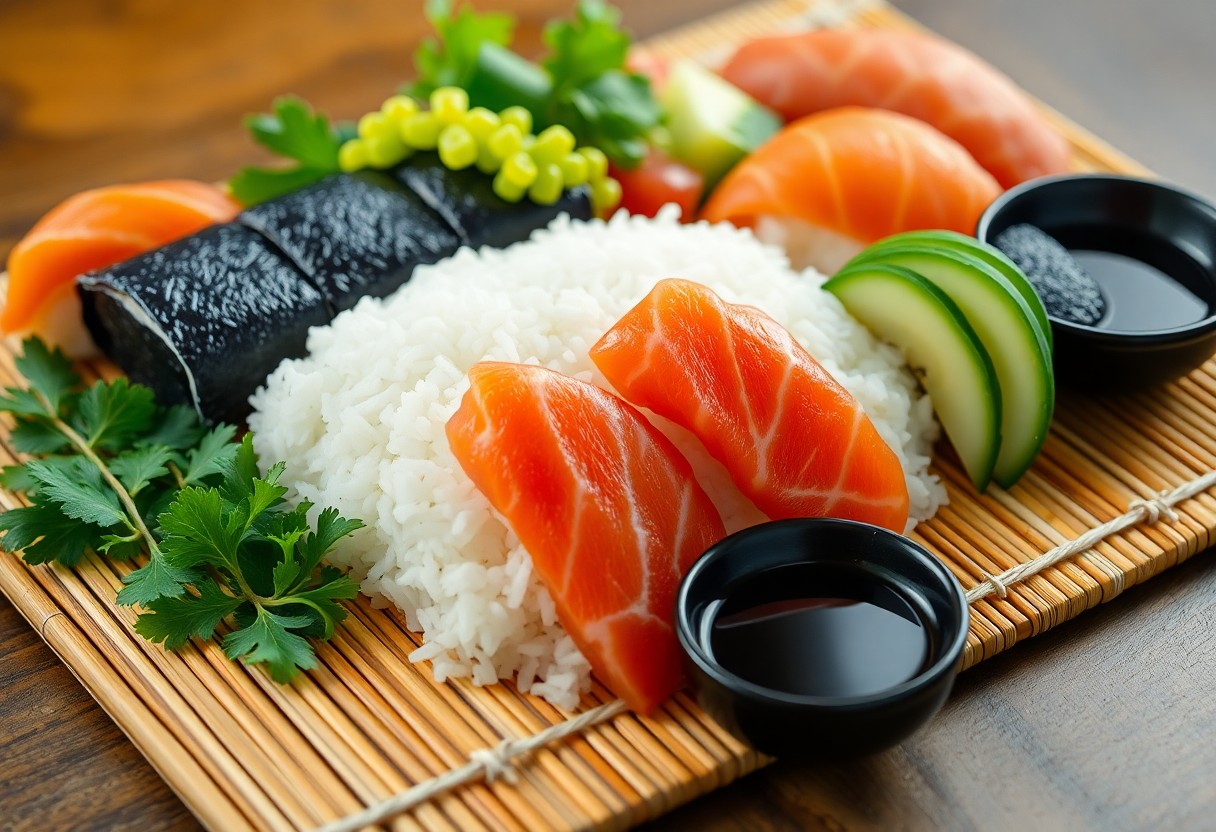
Understanding Sushi Rice

The perfect sushi begins with sushi rice, or “shari,” which is specifically selected for its sticky texture and ability to hold together when rolled. Choosing the right rice variety is fundamental to achieving authentic sushi flavors and textures. For more tips on selecting ingredients, you can explore 25 Essential Japanese Sushi Ingredients for Home Chefs.

Selection of Rice Varieties

Rice is the heart of sushi, and selecting a short-grain variety, such as Japanese sushi rice or “koshihikari,” ensures you achieve the desired stickiness and mouthfeel. These varieties are known for their plump grains, which absorb moisture effectively, making them ideal for sushi preparation.

Preparation and Cooking Techniques

Understanding how to prepare and cook your sushi rice is just as important as selecting the right variety. Rinsing the rice multiple times removes excess starch, promoting a better texture. Then, soaking the rice allows it to absorb water evenly, resulting in a perfectly cooked grain.

Further, cooking your rice properly involves using the right water-to-rice ratio and an appropriate cooking method, which could include a rice cooker or stove top. After cooking, let the rice steam with the lid on for a few minutes to ensure optimal texture and stickiness, forming a perfect base for your sushi.

Seasoning for Flavor Balance

At the heart of sushi rice preparation is the seasoning, usually a mix of rice vinegar, sugar, and salt. This blend adds a slight tang and sweetness, balancing the flavor profile of your sushi. Properly seasoning your rice enhances the overall taste and complements the freshness of your ingredients.

Cooking your sushi rice with the right seasoning is necessary for achieving an authentic flavor. Ensure that you gently fold the vinegar mixture into the rice while it’s still warm, allowing it to absorb the flavors without becoming mushy. This step is key to creating the distinct taste that makes sushi special.

The Importance of Fresh Ingredients

Clearly, using fresh ingredients is vital for achieving the authentic taste and texture of sushi. Freshness enhances flavor profiles and ensures that each bite melts in your mouth. When you prioritize fresh ingredients, you’re not only elevating the quality of your sushi but also crafting a healthier meal that celebrates the simplicity of fine cooking. The integrity of your sushi relies heavily on this one aspect, making it the foundation upon which all other elements are built.

Choosing Quality Fish

On your journey to perfect sushi, selecting quality fish is paramount. Look for fish that is bright in color and has a clean, ocean-like smell. Don’t hesitate to ask your fishmonger about the catch of the day or sourcing practices, as knowing where your fish comes from can significantly impact its flavor and safety. Aim for sustainable choices that guarantee fresh options for both your palate and the environment.

Selecting Vegetables and Other Fillers

Beside fish, the vegetables and fillers you choose play a key role in the overall sushi experience. Fresh, crunchy vegetables not only provide additional flavors but also add important nutrients to your rolls.

It’s important to select seasonal vegetables, as they tend to offer the best flavor and texture. Options like cucumber, avocado, and radish can enhance your sushi’s taste profile and contrast beautifully with the fish. Additionally, consider incorporating fresh herbs like shiso or microgreens for extra depth. The goal is to create a harmonious blend of flavors and textures that enhance your sushi, making it a truly delightful culinary experience.

Essential Tools for Sushi Making

For an enjoyable sushi-making experience, having the right tools at your disposal is vital. Essential kitchen equipment includes items that facilitate the preparation, rolling, and serving of sushi, ensuring that you achieve optimal results with each roll. Investing in these tools will elevate your sushi craft and enhance the authenticity of your homemade creations.

Rice Cooker and Utensils

Rice is the heart of any sushi, making a quality rice cooker indispensable for your sushi toolkit. It will help you achieve perfectly cooked short-grain sushi rice, which is sticky enough to hold together but not too mushy. Use wooden or silicone utensils to avoid damaging the rice’s delicate texture during mixing and cooling.

Mats and Knives for Precision

For sushi rolling and slicing, a bamboo mat and a sharp knife are important for achieving precision and consistency in your preparation. The mat ensures that your rolls come out tight and even, while a well-honed knife allows for clean cuts, which is vital for presentation and taste.

Considering that the appearance and texture of sushi play a significant role in the dining experience, investing in a high-quality bamboo sushi mat and a specialized sushi knife is a smart choice. A good knife will enable you to make smooth, even cuts without squishing the rolls, while the mat will help you create tightly packed sushi that holds together beautifully. With these tools, you’ll be well-equipped to impress your family and friends with your sushi-making skills.

Mastering Techniques

Once again, honing your sushi-making skills involves understanding and mastering important techniques. By perfecting these methods, you can elevate your sushi creations from good to extraordinary. Focus on the important steps of preparation, rolling, and slicing, ensuring that each element contributes to a delightful dining experience.

Rolling Sushi: Tips and Tricks

Above all, successful sushi rolling requires practice and attention to detail. Follow these tips to improve your technique:

  • Use a bamboo mat for even pressure.
  • Keep your hands and surface moist to prevent sticking.
  • Don’t overfill your rolls for easier handling.
  • Apply consistent pressure while rolling.

Any additional practice will lead to better results.

Slicing Techniques for Presentation

Along with rolling, slicing sushi properly is vital for visual appeal and ease of eating. Each slice enhances the overall presentation and allows the flavors to shine through.

Techniques for slicing sushi include using a sharp, non-serrated knife to achieve clean cuts, which prevents squishing your rolls. Additionally, aim for uniform slices to create an aesthetically pleasing arrangement on your plate. Always slice at a slight angle to enhance presentation, while using minimal pressure to maintain the integrity of your sushi. With consistent practice, you’ll develop a slicing technique that elevates your sushi to a restaurant-quality level.

Flavor Enhancements

To elevate your sushi experience, consider integrating various flavor enhancements that can transform each bite into a symphony of taste. The right condiments and garnishes not only enhance the natural flavors of your sushi but also elevate its visual appeal, making each creation as delightful to look at as it is to eat. Embracing these enhancements will ensure your sushi is a memorable dish that excites the palate.

Condiments and Dipping Sauces

An array of condiments and dipping sauces can elevate your sushi to new heights of flavor. Soy sauce is a classic choice, offering a salty umami burst, but you can also experiment with spicy mayo, ponzu sauce, or a drizzle of sriracha for an added kick. Pairing your sushi with pickled ginger and wasabi not only complements the flavors but also cleanses your palate between different types of sushi.

Garnishes for Visual Appeal

At first glance, garnishes can transform a simple sushi roll into an artistic masterpiece. A sprinkle of sesame seeds, a garnish of microgreens, or slices of radish can add vibrant colors and textures, enhancing the overall dining experience. These elements don’t just beautify your dish; they also contribute additional flavors that elevate your sushi creation.

Hence, incorporating garnishes into your sushi not only enhances its aesthetic appeal but also provides an opportunity to introduce new flavors. Fresh herbs like shiso or cilantro can create a delightful contrast, while edible flowers can add a touch of elegance. Using garnishes thoughtfully allows you to showcase your creative flair and impress your guests, making each sushi presentation a memorable feast for the senses.

Common Sushi Variations

After sampling a few types of sushi, you may notice the diverse styles and flavors that define this beloved cuisine. From traditional preparations to innovative spins, sushi offers a range of variations that cater to different palates and preferences. Exploring these common sushi types will enhance your dining experience and deepen your appreciation for this culinary art.

Nigiri, Sashimi, and Maki

Behind each sushi variation lies a unique preparation method and presentation style. Nigiri consists of hand-formed rice topped with fresh fish or seafood, while sashimi showcases the pure essence of raw fish without rice. Maki, on the other hand, features rolled sushi with fillings encased in seaweed and rice, providing a delightful combination of flavors and textures.

Regional Differences and Fusion Styles

Around the world, sushi adapts to local tastes and ingredients, leading to fascinating regional variations and fusion styles. Different cultures have put their own spin on sushi, incorporating local flavors and techniques, allowing you to discover unique combinations that reflect the culinary landscapes of various countries.

At the heart of regional differences and fusion styles is the creativity of chefs who blend traditional Japanese techniques with local ingredients. For instance, you might encounter California rolls, which use avocado and imitation crab, reflecting American influences. Mexican sushi often incorporates flavors like jalapeƱo and cilantro, while Brazilian sushi may experiment with tropical fruits. By exploring these variations, you’ll not only expand your palate but also gain a richer understanding of how sushi continues to evolve globally.

Conclusion

Considering all points, creating perfect sushi hinges on quality ingredients and your attention to detail. Selecting the best sushi rice, fresh fish, and complementary vegetables not only enhances flavor but also elevates the overall experience. Your choice of seasonings, sauces, and even the techniques you employ in preparation play a significant role in the final masterpiece. By focusing on these crucial ingredients and practices, you can ensure that your sushi is not just a meal, but a delightful culinary experience that you and your guests will savor.

Q: What type of rice is best for making sushi?

A: The best rice for making sushi is short-grain Japanese rice, commonly referred to as sushi rice. This type of rice is sticky when cooked, which helps the grains to hold together, making it easier to form into rolls or nigiri. It’s important to rinse the rice several times before cooking to remove excess starch, ensuring a better texture. After cooking, season the rice with a mixture of rice vinegar, sugar, and salt to enhance its flavor and to achieve the right consistency for sushi.

Q: How should I select fresh fish for sushi?

A: When selecting fish for sushi, freshness is key. Always choose sushi-grade fish, which is specifically labeled for raw consumption. Look for clear eyes, bright red gills, and a firm texture. The flesh should have a shiny appearance, and there should be no unpleasant odors. If you’re unsure, ask your fishmonger for recommendations on the freshest options available. Popular choices for sushi include tuna, salmon, and mackerel, but make sure they have been frozen according to FDA guidelines to kill any potential parasites.

Q: What toppings or ingredients can I use to enhance my sushi?

A: There are countless toppings and ingredients you can use to enhance your sushi. Common toppings include sliced avocado, cucumber, and pickled vegetables that add texture and flavor. You can also experiment with different fish, such as eel or shrimp, and add garnishes like sesame seeds, green onions, or spicy mayonnaise for additional taste. For a unique twist, consider adding fruits like mango or pineapple. Using high-quality soy sauce and wasabi on the side can further elevate your sushi experience by enhancing the overall flavor profile.

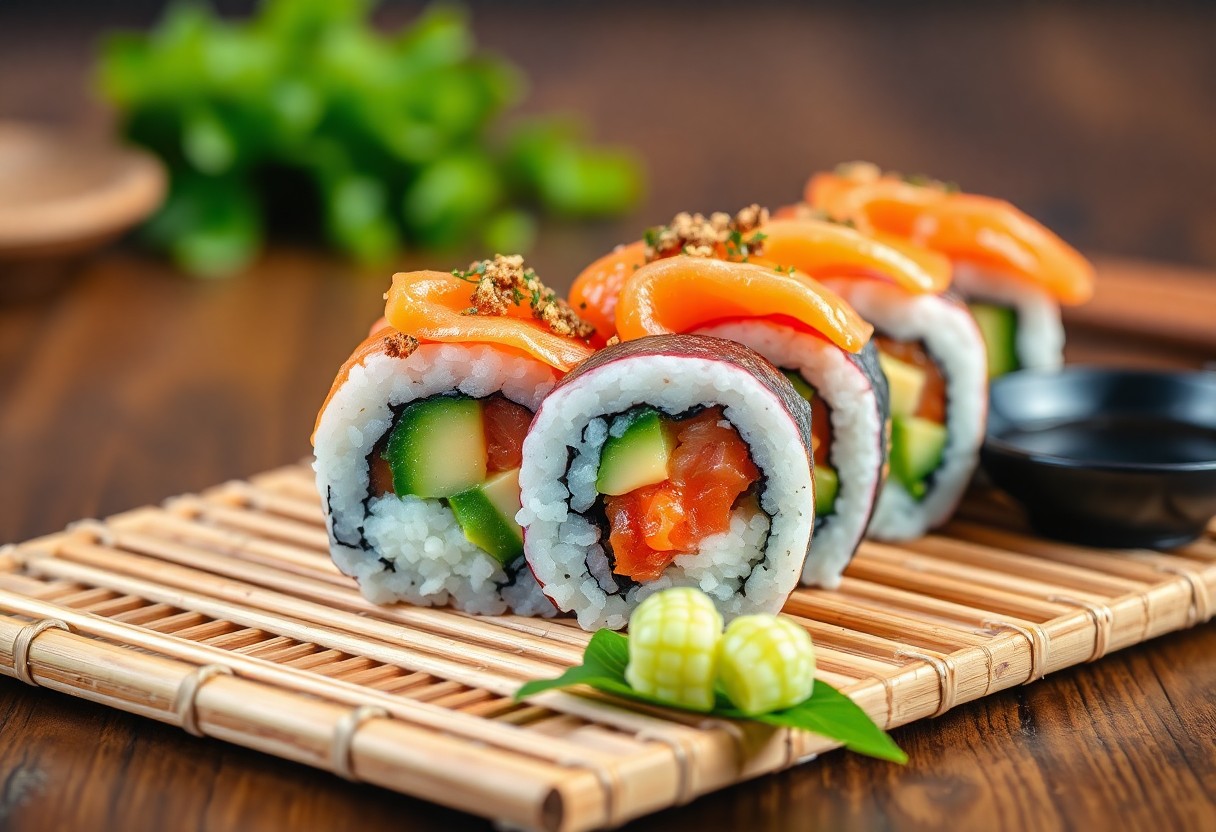
How to Nail the Perfect Sushi Roll Every Time

It’s time to elevate your sushi-making skills and impress your friends and family with perfectly crafted sushi rolls. In this guide, you will learn imperative techniques for selecting the right ingredients, preparing the sushi rice, and mastering the rolling process to achieve those restaurant-quality rolls at home. With the right tips and practice, you’ll be rolling like a pro in no time. Get ready to discover the secrets to creating delicious sushi that showcases your culinary creativity!

Key Takeaways:

  • Rice Preparation: Achieve sticky and flavorful sushi rice by using the right type of rice and properly rinsing and seasoning it.
  • Rolling Technique: Utilize a bamboo mat for even pressure and consistent rolls; practice the technique to perfect your form.
  • Fresh Ingredients: Choose high-quality, fresh ingredients as they significantly enhance the overall taste and texture of your sushi rolls.
  • Balance of Flavors: Aim for a harmonious balance of flavors and textures; combine different elements like crunch and creaminess for an enjoyable experience.
  • Presentation: Pay attention to the aesthetics; cut the rolls neatly and arrange them beautifully for a professional look.

Understanding Sushi Ingredients

A successful sushi roll begins with a solid understanding of its primary ingredients, which can significantly affect the flavor and overall appeal. Sushi is not just about raw fish; it encompasses a variety of components, including rice, fresh seafood, vegetables, and seaweed. Each ingredient plays a unique role in creating harmony and balance in your roll. By mastering these elements, you can elevate your sushi-making skills and impress friends and family with delightful creations.

Rice Selection and Preparation

After selecting the right type of rice, typically short grain sushi rice, you must rinse and soak it to remove excess starch. This process ensures a sticky texture vital for binding your ingredients together when rolling. Cooking the rice with the correct water-to-rice ratio will yield fluffy grains perfect for sushi. Don’t forget to season the cooked rice with a mix of rice vinegar, sugar, and salt to achieve that authentic sushi flavor.

Fresh Fish and Vegetable Choices

Around the world of sushi, your choice of fish and vegetables can make or break your roll. Prioritize high-quality, fresh ingredients that complement each other with flavor and texture. Varieties like salmon, tuna, and eel provide rich taste profiles, while crisp vegetables like cucumber and avocado add refreshing contrast. Ultimately, the right combination can transform your sushi-making experience into an art form.

But beyond just selecting any fish or vegetable, it’s important to consider freshness and quality. When choosing fish, look for sushi-grade selections, which are often available at higher-end grocery stores or dedicated fish markets. As for vegetables, opt for seasonal and locally sourced options to ensure optimal flavor. Explore unique combinations that excite your palate and innovate beyond the classic choices, turning your sushi rolls into personal culinary masterpieces.

Essential Sushi Tools

Any sushi enthusiast knows that having the right tools can make all the difference in the quality of your rolls. From specialized knives to mats and measuring tools, each piece of equipment plays a significant role in mastering your sushi-making skills. Investing in these crucial tools will not only enhance your efficiency but also elevate your sushi game to new heights.

Sushi Mats and Knives

Along with basic kitchen tools, sushi mats and sharp knives are indispensable for crafting the perfect sushi roll. A bamboo sushi mat, or makisu, helps you shape and roll your sushi with precision, while a high-quality sushi knife ensures clean cuts that present your rolls beautifully. With these tools, you can take your sushi-making to the next level.

Measuring Tools for Precision

Any successful sushi maker understands the importance of precision, and measuring tools help you achieve just that. To ensure your rice, fillings, and nori are perfectly balanced, you might consider using measuring cups, spoons, and even a food scale. These items allow you to replicate your favorite recipes consistently and with ease, taking the guesswork out of your sushi preparation.

Knives are not just for cutting; they also play a vital role in the sushi-making process. Ensuring you have a proper sushi knife, typically a yanagiba or usuba, can greatly impact the quality of your ingredients’ presentation. Use a ruler or measuring cup to portion your fillings accurately, giving you the ideal balance of flavors in every bite. By being precise, you elevate your sushi craftsmanship and impress anyone lucky enough to taste your creations.

The Perfect Rice Technique

For achieving the ultimate sushi roll, mastering the rice technique is vital. You must focus on selecting the right short-grain rice, as its sticky texture helps bind the rolls together. To start, you need to wash and soak your rice properly for optimal results.

Washing and Soaking

Among the first steps in preparing sushi rice is to wash it thoroughly. This removes excess starch and prevents your rice from getting gummy. Soak the washed rice in cold water for about 30 minutes, allowing it to absorb moisture evenly, which promises a perfectly cooked texture when you proceed to the next steps.

Cooking and Seasoning

Against common belief, cooking sushi rice requires precision. You must use the proper rice-to-water ratio, typically 1:1, and bring it to a boil before reducing the heat to simmer. Once cooked, season your rice with a mixture of rice vinegar, sugar, and salt while gently folding it to preserve its texture.

But the seasoning is what ultimately elevates your sushi rice. Balance is key, as too much vinegar can overpower the flavor, while too little leaves the rice bland. Aim for a subtle sweetness with a hint of tang, and allow the rice to cool to room temperature before using it in your sushi rolls. This ensures that your rolls maintain their shape without compromising on taste.

Rolling Techniques

To master the art of sushi making, understanding various rolling techniques is imperative. Each technique brings unique characteristics to your rolls, allowing for creativity and personalization. Practicing these methods will not only enhance your skills but also ensure consistency and appeal in your sushi creations.

The Standard Roll

By using the standard rolling method, you create a classic sushi roll that serves as a foundation for your sushi skills. Start by placing your nori on a bamboo mat, layering with sushi rice and fillings, then use the mat to carefully roll it into a tight cylinder. This technique promotes a uniform shape, which is imperative for presentation.

Advanced Techniques for Specialty Rolls

As you advance in your sushi-making journey, exploring specialty rolls adds variety and excitement to your creations. These techniques often involve unique ingredients and styles that set your sushi apart from traditional rolls.

  1. Consider layering multiple types of fish and vegetables.
  2. Experiment with tempura or crispy elements for texture.
  3. Try different sauces or toppings like spicy mayo or eel sauce.
Specialty Roll Techniques

Layering Ingredients Combine various textures and flavors within the roll.
Crispy Elements Incorporate crunchy tempura bits or fried onions.
Unique Sauces Enhance your rolls with rich or tangy sauces.

As you explore advanced techniques, you’ll realize that creativity is key. These specialty rolls often require a bit more finesse, allowing you to play with flavors, textures, and visual appeal. Integrating innovative ingredients can elevate your sushi game significantly.

  1. Incorporate unexpected fillings, like fruits or pickled vegetables.
  2. Use colored rice for a striking appearance.
  3. Shape your rolls into unique forms, such as spirals or stacks.
Innovative Approaches

Unexpected Fillings Add a sweet twist with fruits or unique vegetables.
Colored Rice Create visual excitement with vibrant sushi rice.
Unique Shapes Experiment with different forms for eye-catching presentation.

Presentation and Serving

Keep in mind that the visual appeal of your sushi can elevate the dining experience. Use a clean, flat platter to showcase your rolls, and consider contrasting colors to make your sushi stand out. Garnish with edible flowers, microgreens, or fresh herbs to add a touch of sophistication. Proper arrangement enhances enjoyment, so practice arranging your rolls neatly and thoughtfully.

Plating Your Sushi

Before serving your sushi, take a moment to arrange your rolls thoughtfully on a plate. Employ various angles and placements to create an eye-catching presentation. This not only makes your sushi more inviting but can also highlight the ingredients you’ve used, showcasing their freshness and vibrant colors.

Accompaniments and Condiments

On the side, include a variety of accompaniments and condiments to enhance your sushi experience. Standard options like soy sauce, wasabi, and pickled ginger can complement the flavors of your rolls. You may also consider adding a few unique dipping sauces or garnishes to offer guests a personalized touch to their meal.

Also, tailoring your accompaniments to suit the specific flavors of your sushi will impress your guests. For instance, a zesty ponzu sauce can elevate a citrusy roll, while spicy mayo pairs beautifully with tempura options. Serve freshly grated wasabi instead of the pre-packaged kind for a more robust flavor. These thoughtful details can turn a good sushi experience into an exceptional one.

Common Mistakes to Avoid

Not paying attention to common pitfalls can sabotage your sushi-making efforts. Many beginners overlook simple details such as the quality of ingredients or the importance of technique, leading to disappointing results. By identifying and addressing these mistakes, you will enhance your sushi-making skills and achieve rolls that impress every time.

Ingredient Overloading

Between the excitement of making sushi and the plethora of delicious fillings available, it’s easy to overload your rolls with too many ingredients. While creativity is encouraged, an excessively stuffed roll can become unwieldy and difficult to eat. Aim for a harmonious balance that allows each flavor to shine through while maintaining structural integrity.

Improper Rolling Techniques

For perfecting your sushi rolls, mastering the rolling technique is imperative. It’s not just about rolling the ingredients tightly; you need to use the right amount of pressure and technique to keep everything intact. A loose roll can fall apart, while excessive force can crush the delicate ingredients within, leading to a less enjoyable eating experience.

A good technique involves starting at the edge of the mat closest to you and gradually rolling it away from you while tucking the ingredients in securely. Use the mat to guide the roll, allowing it to shape and compress naturally without squeezing too hard. Practicing this technique will lead to more consistent and beautiful sushi rolls that showcase your skills.

Final Words

Presently, mastering the art of sushi rolling can enhance your culinary skills and impress your friends and family. By focusing on the right techniques, ingredients, and practice, you can consistently create beautiful and delicious sushi rolls. Don’t forget to pay attention to the amount of rice you use, as it can make a significant difference. For detailed insights, check out How Much Sushi Rice Per Roll Perfect Sushi Every Time. Enjoy your sushi-making journey!

FAQ

Q: What type of rice should I use for sushi rolls?

A: The best type of rice for sushi rolls is short-grain Japanese rice, often referred to as sushi rice. It has a higher starch content, which helps the grains stick together when cooked. Look for rice labeled as “sushi rice” or “short-grain rice” in your local grocery store. Make sure to rinse the rice before cooking to remove excess starch, as this results in a more pleasing texture.

Q: How do I prevent my sushi rolls from falling apart?

A: To ensure your sushi rolls stay intact, make sure you use enough sushi rice to provide a solid foundation. Spread the rice evenly on the nori (seaweed) and allow it to cover at least three-quarters of the sheet. When rolling, apply gentle but firm pressure and use a bamboo mat to help guide the roll. Finally, be careful not to overfill your roll with ingredients, as this can lead to difficulty closing it properly.

Q: What ingredients are necessary for a classic sushi roll?

A: A classic sushi roll typically includes sushi rice, nori, and fresh ingredients such as fish (like salmon or tuna), vegetables (like cucumber or avocado), and optional condiments (like wasabi or pickled ginger). For a more traditional approach, you might also include a splash of rice vinegar in your sushi rice to enhance flavor. Combining these ingredients will help you create a delicious and authentic sushi roll.

Q: Can I prepare sushi rolls in advance?

A: Yes, you can prepare sushi rolls in advance, but it’s important to store them properly to maintain freshness. After rolling, cover the sushi with a damp cloth or plastic wrap to keep it from drying out. It’s best to consume them within a few hours. If you need to store them longer, keep them in an airtight container in the refrigerator, but be aware that the texture may change. Slice them just before serving for the best presentation.

Q: How do I slice my sushi rolls for the best presentation?

A: Slicing your sushi rolls can make a significant difference in presentation. To achieve clean cuts, use a sharp knife and wet the blade with a little water to prevent the rice from sticking. Slice the roll into 6 to 8 pieces with a gentle sawing motion, rather than pressing down hard. This technique preserves the shape of the roll and keeps the fillings intact, resulting in an appealing appearance on your serving plate.

Skip to content