Flavors

Sushi Bowls – All the Flavors Without the Rolling

Flavors of sushi come alive in a simplified form with sushi bowls, allowing you to enjoy all the delightful tastes without the intricate rolling techniques. If you’ve ever wanted to savor the freshness of sushi but found the preparation daunting, sushi bowls offer a convenient and versatile alternative. Packed with your favorite ingredients, you can customize your bowl to match your palate and dietary preferences. Dive into the world of sushi bowls and explore how you can create a satisfying and delicious meal in minutes.

Key Takeaways:

  • Simplified Preparation: Sushi bowls offer an easy alternative to traditional sushi by eliminating the need for rolling.
  • Versatile Ingredients: You can customize sushi bowls with a wide variety of ingredients, including different proteins, vegetables, and sauces.
  • Flavor Combination: Enjoy all the flavors of sushi, such as umami and freshness, in a convenient bowl format.
  • Health Benefits: Sushi bowls can be packed with nutritious components, making them a healthy meal option.
  • Creative Presentation: Arranging ingredients in a visually appealing way enhances the dining experience while keeping the preparation straightforward.

The Basics of Sushi Bowls

A sushi bowl is a delightful and versatile option that brings together your favorite sushi flavors without the effort of rolling. It’s a fantastic way to enjoy all the ingredients you love in a single bowl, allowing you to customize it to your taste preferences. Whether you’re a seasoned sushi lover or a beginner, sushi bowls offer endless possibilities to create something delicious and satisfying.

Understanding Sushi Components

Basics of sushi bowls revolve around a few key components: rice, protein, vegetables, and sauces. The rice forms the foundation of your bowl, while the protein—such as fish, tofu, or shrimp—adds heartiness. Fresh vegetables contribute flavor and texture, and sauces like soy sauce or spicy mayo elevate the dish. Understanding these components allows you to experiment and personalize every bowl to reflect your unique tastes.

Choosing the Right Base

Understanding the right base for your sushi bowl is fundamental to achieving that perfect blend of flavors and textures. The base typically consists of sushi rice, but you have various options such as brown rice, quinoa, or even cauliflower rice for a lighter version. Each choice impacts the overall taste and nutritional profile, so consider what complements your toppings best while aligning with your dietary goals.

Base choices significantly influence your sushi bowl. Sushi rice, with its sticky texture, is most traditional and offers that authentic feel. Alternatively, brown rice provides a nuttier taste and more fiber, while quinoa is excellent for a protein boost. If you’re watching your carbs, cauliflower rice is a fantastic and trendy option. Choose a base that not only suits your taste but also enhances the other ingredients for a well-rounded meal.

Flavor Profiles and Ingredients

If you want to explore a variety of flavors without the hassle of rolling sushi, consider submerging into the delightful world of Sushi Bowls. These bowls blend fresh ingredients with diverse textures, offering a unique culinary experience. You can customize your bowl by selecting from an array of starches, proteins, and toppings to create a dish that excites your palate.

Essential Sushi Ingredients

One key aspect of crafting a delicious sushi bowl is knowing the crucial ingredients. Start with a base of sushi rice or quinoa, followed by your choice of protein like sashimi-grade fish, shrimp, or tofu. Add vibrant vegetables such as avocado, cucumber, and radishes, and drizzle with a flavorful sauce like soy, spicy mayo, or ponzu for extra zing!

Popular Flavor Combinations

Around the globe, sushi bowls offer a beautiful canvas for flavor experimentation. Popular combinations often include a mix of sweet, savory, and umami elements that can elevate your dish to new heights. You might combine fresh salmon with creamy avocado and crisp cucumber, topped with sesame seeds and a touch of wasabi for a classic vibe or go for a spicy tuna option blended with mango and crunchy onions for a tropical twist.

Another excellent way to diversify your sushi bowl is by experimenting with unique flavor pairings. Consider adding pickled ginger for acidity or seaweed salad for an umami punch. You can also incorporate bold ingredients like kimchi or gochujang for a fusion twist. The beauty of sushi bowls lies in your ability to mix and match ingredients according to your preference, ensuring each bowl is a delightful experience catered just for you.

Building the Perfect Sushi Bowl

Once again, creating the ultimate sushi bowl is all about thoughtful ingredient selection and combination. Start with a base of warm sushi rice, then layer on a variety of toppings, including fresh vegetables, proteins, and flavorful sauces. Experiment with colors and textures, ensuring that each component complements one another to deliver a satisfying bowl that mirrors the classic sushi experience without the fuss of rolling. Embrace your creativity, and don’t hesitate to add a personal touch!

Layering Techniques

Beside choosing your ingredients wisely, layering techniques elevate the presentation and experience of your sushi bowl. Start by placing your sushi rice at the bottom, followed by a vibrant mix of vegetables such as avocado, cucumber, and radish. Next, add your protein choice like sushi-grade fish or tofu, finally drizzling with sauces and garnishing with sesame seeds or seaweed. This build-up not only ensures even distribution of flavors but also creates an appealing visual feast.

Balancing Flavors and Textures

Against the backdrop of your base and toppings, achieving balance in flavors and textures is key to making your sushi bowl enjoyable. A perfect sushi bowl offers a harmonious combination of sweetness, acidity, saltiness, and umami, alongside contrasting crunchy and creamy elements.

Layering the components thoughtfully will enhance this balance. For instance, pairing creamy avocado with crunchy cucumbers offers a delightful contrast, while adding in sweet mango brings a fresh burst of flavor. Use tangy dressings or pickled vegetables to introduce acidity, while a sprinkle of sea salt can elevate umami notes. By mindfully selecting your toppings, you can create a sushi bowl that is not only delicious but engages your palate with a symphony of flavors and textures.

Health Benefits of Sushi Bowls

Now, sushi bowls offer a delightful way to enjoy the fresh ingredients and flavors of traditional sushi while reaping numerous health benefits. Packed with vegetables, protein, and healthy fats, these bowls can help support your overall wellness. You can create your own healthy version at home, and for some delicious inspiration, check out this Vegan Sushi Bowl Meal Prep recipe.

Nutritional Value

One of the standout features of sushi bowls is their nutritional profile. Combining ingredients like brown rice, fresh vegetables, and lean proteins ensures you’re getting a balanced meal rich in fiber, vitamins, and important nutrients. This blend not only satisfies hunger but also supports your metabolism and maintains energy levels.

Dietary Considerations

Before exploring into your creation, consider any dietary restrictions or preferences you may have. Sushi bowls can easily be tailored to suit vegetarian, vegan, or gluten-free diets, making them a versatile meal option that accommodates diverse lifestyles.

Sushi bowls are an excellent choice for those who need to be mindful of allergies or specific dietary needs. You can swap traditional sushi ingredients for your favorites, whether that means using quinoa instead of rice or incorporating tofu as a protein source. This adaptability allows you to create delicious and nutritious meals that align with your personal health goals.

Customizing Your Sushi Bowl

After you’ve decided to create your ideal sushi bowl, the options for customization are endless. You can mix and match your favorite ingredients to suit your craving, whether you prefer traditional flavors or something a bit more adventurous. Check out this Deconstructed Sushi Bowl with Seafood Option to inspire your next creation. Add toppings like avocado, spicy mayo, or pickled ginger to elevate your bowl experience!

Vegetarian and Vegan Options

Before stepping into your sushi bowl, consider exploring vegetarian and vegan options that can be just as delicious and satisfying. You can use tofu, tempeh, or a variety of colorful vegetables like bell peppers, carrots, and cucumbers to create a vibrant and nutritious base. Add ingredients like edamame or seaweed salad to enhance flavors while keeping it plant-based.

Gluten-Free Alternatives

Among the various options available, you can easily make your sushi bowl gluten-free by selecting ingredients that cater to your dietary needs. Swap out traditional soy sauce for tamari or coconut aminos, which are both gluten-free alternatives. Brown rice or quinoa can replace sushi rice, giving you a hearty base without sacrificing taste.

Bowl customization opens the door to many gluten-free alternatives to ensure that your meal remains delicious and safe. Consider using cauliflower rice for a low-carb option that maintains the essence of sushi. Fresh vegetables, fresh herbs, and quality seafood or protein can all contribute to a well-rounded bowl that offers both flavor and nutrition while adhering to your gluten-free lifestyle.
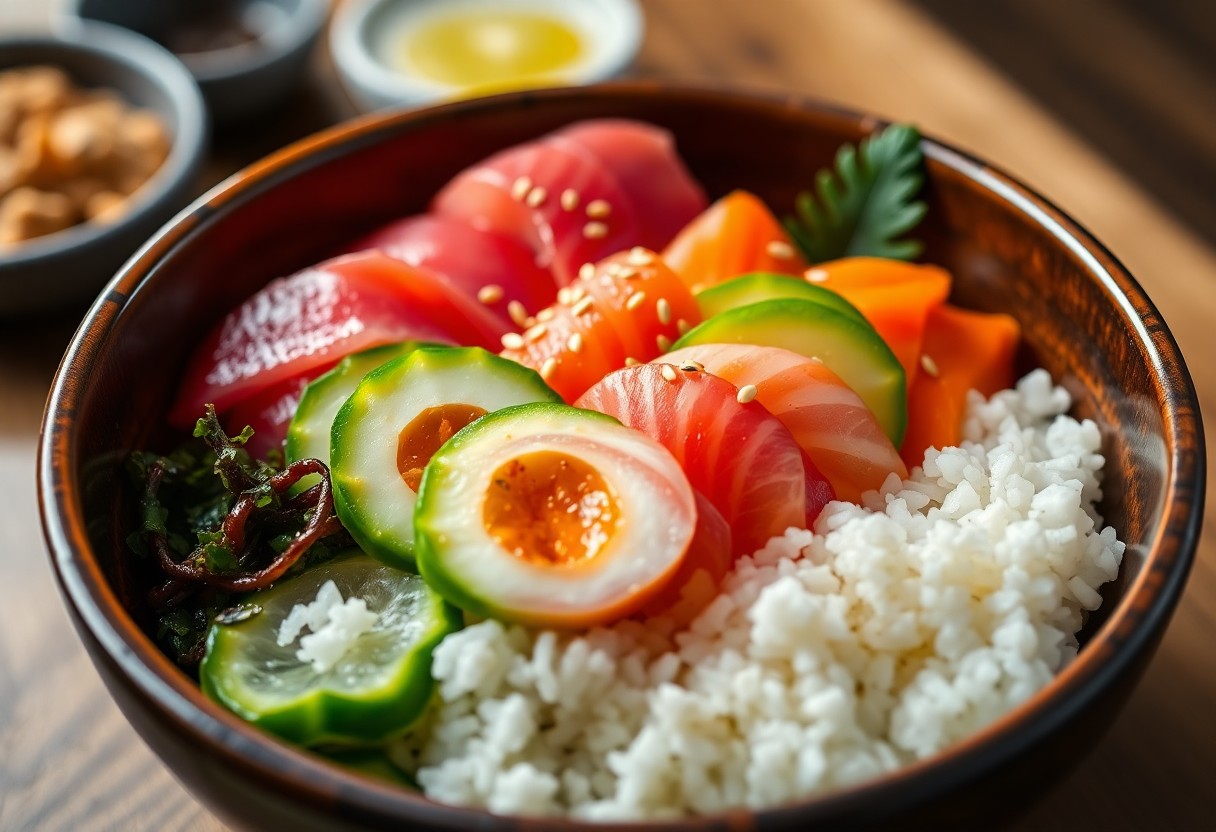
Serving Suggestions and Presentation

Many people often focus on the flavors of sushi bowls, but the presentation is just as important. Choosing vibrant, contrasting colors for your ingredients not only makes the dish visually appealing but also enhances the dining experience. Consider using a variety of serving dishes, from bowls to plates, allowing the colors and textures to shine. A sprinkle of sesame seeds, a drizzle of sauces, or a strategically placed garnish can elevate your sushi bowl from simple to spectacular.

Creative Serving Ideas

Among the fun ways to serve your sushi bowls is to use themed or individual bowls for each guest. This not only personalizes the dining experience but also allows you to showcase a variety of flavors and ingredients tailored to each person’s preferences. Consider presenting a deconstructed sushi bowl on a wooden board, where each ingredient is laid out separately for guests to mix and match, making it an interactive meal.

Garnishing and Enhancements

Serving your sushi bowl with thoughtful garnishes can take your dish to the next level. Fresh herbs, citrus slices, and edible flowers can bring zest and color, enhancing both presentation and flavor. Pairing your bowl with a selection of sauces, like spicy mayo or soy sauce, allows guests to customize their experience even further.

Even small details can significantly impact the overall enjoyment of your sushi bowl. Consider adding a sprinkle of furikake for a crunchy texture or incorporating avocado slices for creaminess. Sliced radishes, microgreens, or scallions can contribute a refreshing kick, while pickled ginger adds a tangy note that complements the flavors beautifully. These enhancements not only elevate the visual appeal but also create a delightful experience, inviting you and your guests to savor every bite.

Conclusion

To wrap up, sushi bowls offer you all the delightful flavors of traditional sushi without the complexity of rolling. This versatile dish allows for customization to suit your taste preferences and dietary needs, making it a practical and delicious option for any meal. By layering your favorite ingredients, you can create a satisfying bowl that captures the essence of sushi in a simpler format, perfect for busy weeknights or casual gatherings. Enjoy the fresh ingredients and bold flavors while simplifying your sushi experience.

FAQ

Q: What exactly is a Sushi Bowl?

A: A Sushi Bowl is a deconstructed version of traditional sushi, combining all the necessary ingredients you would find in sushi rolls but in a bowl format. This typically includes sushi rice, a variety of fresh fish (like tuna or salmon), vegetables, seaweed, sauces, and toppings like avocado or sesame seeds. It allows you to enjoy the flavors of sushi without the need for rolling.

Q: Are Sushi Bowls customizable?

A: Yes! One of the highlights of Sushi Bowls is their versatility. You can customize your bowl to suit your personal taste preferences or dietary restrictions. You can choose the type of protein (fish, shrimp, tofu), vegetables (cucumbers, carrots, radishes), and toppings (edamame, wasabi, or pickled ginger) that you like, making it a perfect meal for everyone.

Q: Are Sushi Bowls healthy?

A: Sushi Bowls can be a healthy meal option, as they can be packed with nutrient-dense ingredients. Fresh fish provides protein and healthy fats, while vegetables add vitamins, minerals, and fiber. However, the healthiness of a Sushi Bowl can depend on the ingredients you choose and the portion sizes, so opt for wholesome options and be mindful of sauces that may add excess calories.

Q: Can I prepare Sushi Bowls in advance?

A: Absolutely! Sushi Bowls are great for meal prep. You can cook the sushi rice in advance and store it in the refrigerator. Similarly, you can prepare your proteins, chop the vegetables, and even portion out the toppings ahead of time. Just keep the components separate until you are ready to eat to maintain freshness, especially for ingredients like avocado, which can brown quickly.

Q: What types of sauces can I use for Sushi Bowls?

A: There are various sauces you can use to enhance the flavor of your Sushi Bowl. Popular options include soy sauce, spicy mayo, eel sauce, and ponzu. You can also create your own sauce by mixing ingredients like sesame oil, rice vinegar, and sriracha for a unique twist. Feel free to experiment with different sauces to find your favorite combination!

Sushi Fusion in Southeast Asia – Bold New Flavors

It’s exciting to explore how sushi fusion in Southeast Asia brings together the best of traditional Japanese cuisine and the dynamic flavors of the region. As you launch on this culinary journey, you’ll uncover innovative combinations that showcase local ingredients and unique cooking techniques. By integrating spices, herbs, and other elements from Southeast Asian culinary traditions, chefs are crafting dishes that tantalize the palate. For more insights, check out this article on Southeast Asian Cuisine – Culinary Trends.

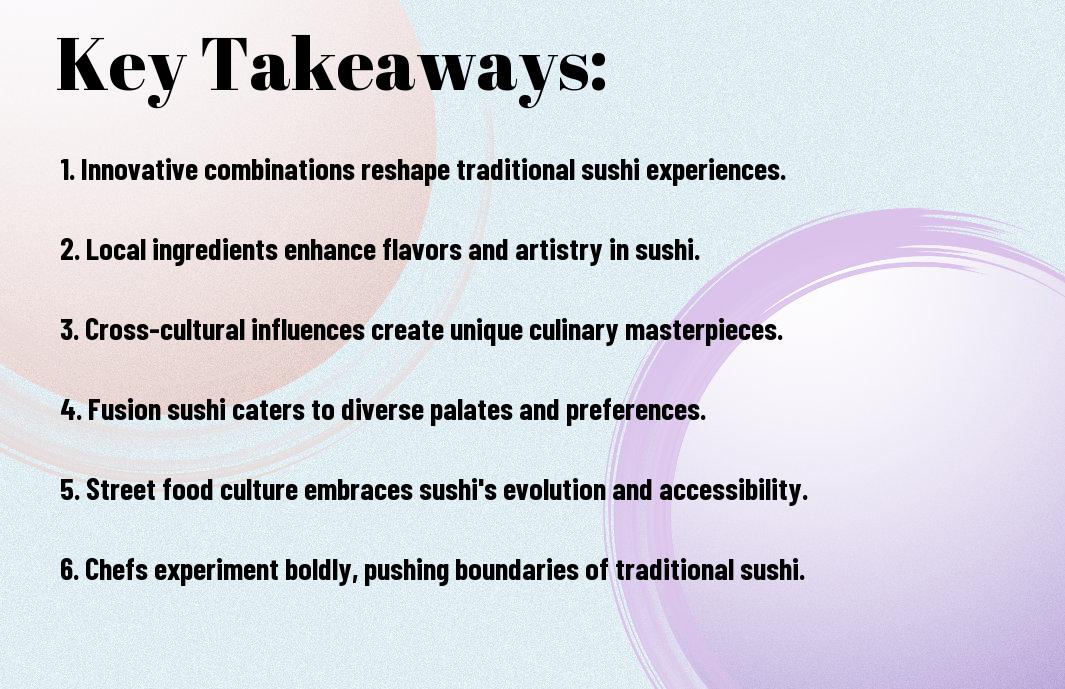
Key Takeaways:

  • Innovative Combinations: Sushi fusion in Southeast Asia blends traditional techniques with regional ingredients, resulting in unique flavor profiles.
  • Local Ingredients: Chefs incorporate local produce and seafood, enhancing authenticity while appealing to the local palate.
  • Cultural Influence: The fusion reflects the diverse cultures of Southeast Asia, featuring Asian, Spanish, and even Latin American influences.
  • Artistic Presentation: Sushi fusion dishes are often visually striking, showcasing the culinary craftsmanship that excites diners.
  • Growing Popularity: The demand for sushi fusion is on the rise, attracting food enthusiasts and offering new dining experiences across the region.

The Evolution of Sushi in Southeast Asia

Your journey into the world of sushi fusion in Southeast Asia reveals a fascinating evolution of this traditional dish. Originally a Japanese creation, sushi has undergone a remarkable transformation as it encounters the rich and diverse culinary landscapes of Southeast Asia. The melding of local flavors and ingredients has redefined sushi, making it a vibrant part of the region’s food culture.

Historical Influences

Beside the influences from Japanese cuisine, regional history plays a significant role in shaping sushi’s presence in Southeast Asia. Trade routes brought various techniques and flavors, allowing local chefs to explore and innovate. Over time, this interplay of cultures fostered a unique sushi identity reflective of the area’s history and culinary traditions.

Adaptation to Local Tastes

Between the traditional Japanese methods and the rich culinary practices of Southeast Asia, sushi has adapted to local preferences beautifully. Each country has embraced sushi, infusing it with flavors and ingredients that resonate with their own culinary identities.

Understanding the nuances of this adaptation reveals how sushi has evolved to cater to local palates while still honoring its roots. For example, in Thailand, you might find spicy chili sauces paired with sushi rolls, while in Vietnam, fresh herbs and citrus elements are often incorporated. These alterations not only make sushi more accessible but also highlight the culinary creativity that defines Southeast Asia’s dining landscape.

Key Ingredients in Sushi Fusion

Even as you explore sushi fusion, you’ll find that innovative chefs are blending traditional Japanese elements with local flavors to create unforgettable dishes. Ingredients like rice, nori, and fresh fish remain fundamental, but they’re often accompanied by an array of unique ingredients sourced from the vibrant food cultures in Southeast Asia. This melding of culinary traditions invites you to expand your palate and experience sushi in exciting new ways.

Local Seafood Varieties

Between the rich coastal waters of Southeast Asia and their diverse marine life, the local seafood varieties bring a fresh and distinctive profile to sushi fusion. You might encounter ingredients such as mackerel, barramundi, and squid, often prepared in ways that highlight their natural flavors, providing a unique twist to traditional sushi rolls.

Unique Seasonings and Sauces

One way to elevate your sushi experience is through the use of unique seasonings and sauces that reflect local culinary traditions. These additions not only enhance flavor but also bring a touch of creativity to each dish.

With a myriad of spices, herbs, and sauces at your disposal, the possibilities for sushi fusion are endless. You may discover zesty sambal, aromatic lemongrass, or rich coconut-based sauces that complement the fresh seafood perfectly. This creative layering of flavors not only captures the essence of Southeast Asia but also ensures that every bite delivers a remarkable experience, inviting your taste buds to launch on a culinary adventure.

Popular Sushi Fusion Dishes

Not all sushi is created equal, especially in fusion cuisine. You may discover an exciting variety of sushi dishes that blend traditional Japanese techniques with vibrant local ingredients from Southeast Asia. Whether it’s a spicy tuna roll with Thai chili paste or a sushi burrito filled with fresh mango and Vietnamese herbs, there’s something to satisfy your adventurous palate.

Regional Specialties

Specialties from different regions of Southeast Asia introduce unique flavors to sushi. For instance, in Thailand, you might find sushi rolls infused with tangy tamarind and fragrant lemongrass, while Malaysia offers sushi pieces wrapped in aromatic pandan leaves. These regional influences create a delightful culinary experience, merging the best of both worlds on your plate.

Innovative Combinations

Below the surface of traditional sushi lies an ocean of innovative combinations waiting for you to explore. Chefs are experimenting with ingredients from various culinary traditions, pushing the boundaries of sushi-making. From crispy tempura sushi topped with zesty salsa to sushi tacos filled with grilled seafood and fresh herbs, these dishes offer a creative twist that tantalizes your taste buds.

In addition to their unique flavors, innovative combinations often feature unexpected textures that play a role in your overall dining experience. You’ll discover crispy outer layers that contrast beautifully with the softness of the sushi rice or creamy sauces that enhance the fresh ingredients. As these fusion dishes continue to evolve, you have the opportunity to begin on a culinary journey that celebrates both gastronomy and creativity, inviting you to savor every bite in a whole new light.

The Role of Culinary Artists

For sushi fusion to thrive in Southeast Asia, culinary artists play an integral role in bridging traditional techniques with innovative flavors. You’ll find these passionate chefs challenging culinary norms, experimenting with local ingredients while respecting the essence of sushi. Their creativity leads to a vibrant dining experience, where each dish tells a story of cultural exchange and gastronomic evolution.

Chefs Leading the Charge

Around the region, chefs are emerging as pioneers in sushi fusion, elevating this cuisine to new heights. Their dedication to integrating flavors and textures from diverse Southeast Asian cuisines allows you to explore unique taste profiles that push the boundaries of traditional sushi, creating a dining experience that’s both familiar and entirely new.

Collaborative Efforts in Creation

To further elevate sushi fusion, collaboration among culinary artists is becoming increasingly common. You’ll notice that chefs often engage with local farmers, fishermen, and artisans to curate the freshest ingredients, blending their expertise to craft exceptional dishes that highlight the region’s rich culinary diversity.

It is through these collaborative efforts that sushi fusion becomes an exciting culinary movement. You may find chefs collaborating on pop-up events, workshops, and tasting menus, pooling their knowledge and skills to bring innovative dishes to your table. These partnerships often result in limited-edition offerings that showcase a harmonious blend of flavors, giving you a unique opportunity to experience the best of both worlds—traditional sushi and the bold, vibrant tastes of Southeast Asia.

Consumer Trends and Preferences

To understand the shifting landscape of sushi fusion in Southeast Asia, you must consider emerging consumer trends and preferences. Diners increasingly seek bold flavors and unique culinary experiences that challenge traditional notions of sushi. As highlighted in The Art of Fusion: How Asian Flavors are Transforming …, the craving for innovative dishes that combine local ingredients with classic sushi elements is reshaping menus and enticing adventurous eaters.

Affirming Health and Wellness

Against the backdrop of increasing health consciousness, you may find sushi fusion appealing for its blend of nutritious ingredients and exciting flavors. Many sushi chefs are incorporating superfoods and organic produce, making this culinary trend not only delicious but also beneficial for your well-being.

The Rise of Food Tourism

Wellness-focused travel has led to the rise of food tourism, where you seek authentic culinary experiences that celebrate local fusion cuisine. This trend encourages you to explore the intersection of traditional practices and modern flavors, allowing you to indulge your palate while discovering new cultures.

Even as you initiate on food tourism adventures, you will notice that sushi fusion plays a significant role in attracting curious food lovers. Gourmet food tours and workshops dedicated to sushi-making are popping up across Southeast Asia, enhancing your connection with diverse culinary traditions while satisfying your taste for the extraordinary.

The Future of Sushi Fusion

After exploring the vibrant landscape of sushi fusion in Southeast Asia, it’s clear that this culinary trend is poised for dynamic growth. As chefs continue to experiment with diverse ingredients and techniques, you can expect to see an even wider array of innovative dishes that push the boundaries of traditional sushi while celebrating regional flavors and cultures.

Anticipated Trends

An exciting trend to watch is the incorporation of local ingredients into sushi dishes, allowing for a unique fusion that showcases regional biodiversity. You may also see sushi menus featuring more plant-based options, catering to the growing interest in sustainable and healthy eating. Moreover, the influence of global cuisines will likely create even bolder flavor combinations, resulting in unforgettable dining experiences.

Challenges and Opportunities

For sushi restaurants venturing into fusion cuisine, navigating the balance between authenticity and innovation can be a challenge. However, opportunities abound for those willing to embrace creativity and cater to evolving consumer preferences.

In addition to balancing traditional aspects with inventive culinary approaches, you should also consider the significance of sourcing high-quality ingredients that resonate with your target audience. Staying attuned to dietary trends, such as the rise of plant-based diets and gluten-free options, can provide a competitive edge. Furthermore, keeping an eye on customer feedback will help you refine your offerings, ensuring that you not only attract diners but also create lasting impressions that keep them coming back for your unique sushi fusion experiences.

Final Words

Considering all points, you can see that sushi fusion in Southeast Asia is an exciting culinary adventure that combines traditional Japanese techniques with local flavors and ingredients. This innovative approach not only enhances your dining experience but also highlights the region’s rich food culture. As you explore the vibrant sushi fusion dishes, you’ll discover bold new flavors that challenge your palate and broaden your culinary horizons. Embrace this trend and allow your taste buds to experience the delightful possibilities that sushi fusion has to offer.

FAQ

Q: What is Sushi Fusion and how does it differ from traditional sushi?

A: Sushi Fusion combines traditional Japanese sushi techniques and ingredients with flavors and culinary practices from other cultures, particularly those found in Southeast Asia. This results in unique creations such as sushi rolls infused with tropical fruits, spicy sauces, or local herbs. Unlike traditional sushi, which focuses on simplicity and fresh fish, Sushi Fusion explores bold flavors and innovative pairings, reflecting the diverse culinary landscape of the region.

Q: What are some popular ingredients used in Sushi Fusion in Southeast Asia?

A: Popular ingredients include local fruits like mango and avocado, spices such as lemongrass and chili, and sauces inspired by Southeast Asian cuisine—like sweet chili sauce, peanut sauce, or curry-infused mayo. Other elements like tempura vegetables and seafood caught in local waters may also be incorporated, creating a distinctive taste that celebrates both sushi and the rich flavors of Southeast Asian cuisine.

Q: Are there specific regions in Southeast Asia that are particularly known for their Sushi Fusion?

A: Yes, countries like Thailand, Malaysia, and Singapore have embraced Sushi Fusion, with chefs experimenting in vibrant urban culinary scenes. In these regions, you can find innovative sushi bars that combine local flavors, resulting in dishes that reflect the multicultural palette—such as sushi topped with spicy tuna tartare and a drizzle of lime-infused ponzu sauce, or rice rolls filled with grilled satay chicken.

Q: How has Sushi Fusion influenced the dining experience in Southeast Asia?

A: Sushi Fusion has transformed the dining experience by encouraging creativity and versatility in menus. Diners are now exposed to a wider array of flavors, textures, and presentations compared to traditional sushi establishments. This culinary trend not only attracts sushi lovers but also appeals to those interested in diverse tastes, leading to a more exciting and dynamic dining culture where fusion concepts are regularly celebrated.

Q: Can anyone create Sushi Fusion at home, and what are some tips for beginners?

A: Absolutely! Anyone can try their hand at creating Sushi Fusion at home. Beginners should start with basic sushi rice preparation and then experiment with various fillings and toppings that reflect their taste preferences. Key tips include using fresh, quality ingredients, making flavorful sauces to enhance the dishes, and being open to mixing flavors that pair well together. Kits or pre-made sushi rolling mats can also help ease the learning process, allowing for more creativity and fun in the kitchen.

Skip to content