Most people may not realize the deep connection between sushi and Japanese festivals. As you explore various celebrations across Japan, you’ll encounter sushi not just as a meal, but as a symbol of community, sharing, and heritage. Originating from ancient preservation methods, sushi brings people together during festive occasions, showcasing regional variations and artisanal craftsmanship. Understanding this role can enrich your appreciation of Japanese culture and its culinary traditions, making your festival experiences even more meaningful.
Key Takeaways:
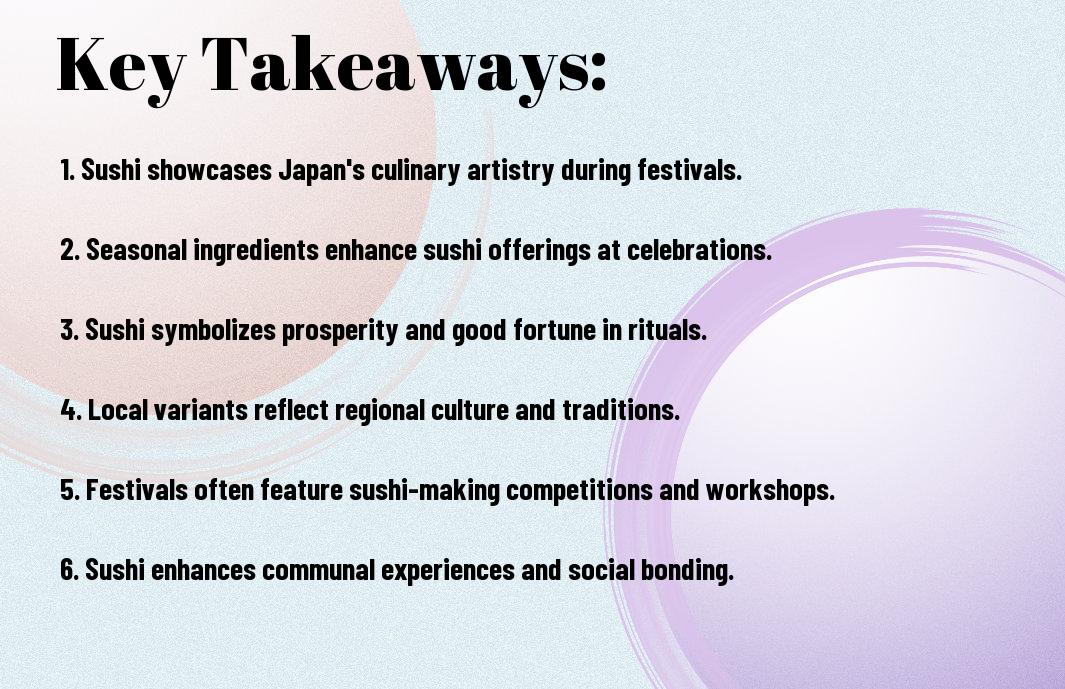
- Cultural Significance: Sushi plays an important role in celebrating Japanese festivals, often symbolizing prosperity, community, and the sharing of food traditions.
- Variety in Preparation: Different types of sushi, such as nigiri, maki, and chirashi, are prepared and enjoyed during festivals, showcasing regional ingredients and culinary practices.
- Social Gathering: Festivals provide an opportunity for social interaction, with sushi often served at communal events, reinforcing bonds among families and communities.
Historical Significance of Sushi in Japanese Culture
For centuries, sushi has played a vital role in Japanese culture, evolving from a simple preservation technique to a symbol of culinary artistry. Its historical roots are deeply intertwined with traditional practices and local customs, making it an integral part of Japanese festivals and celebrations. Sushi not only represents a delightful culinary experience but also showcases the cultural values of harmony, seasonality, and craftsmanship inherent in Japanese society.
Origins of Sushi
Sushi traces its origins back to antique methods of preserving fish, particularly in Southeast Asia. This early form of sushi, known as narezushi, involved fermenting fish with rice for preservation. It was not until sushi made its way to Japan that it underwent transformations, becoming a staple that would eventually capture the hearts and palates of many.
Evolution Through the Ages
Any discussion of sushi’s evolution reveals a fascinating timeline, showcasing how it adapted to different eras and tastes. In the Edo period, sushi as we know it began to take shape, transitioning from fermented fish to the hand-formed nigiri that became synonymous with Japanese dining.
Through the ages, sushi has adapted to trends and societal changes, with various styles emerging across regions. The arrival of sushi bars in the Edo period made sushi accessible to the masses, while later innovations introduced sushi rolls and fusion variations, catering to international palates. Today, sushi not only retains its cultural essence but also serves as a culinary ambassador, connecting your taste buds to the rich history of Japan. This journey reflects the resilience and creativity of Japanese cuisine while highlighting how sushi has preserved its identity amidst globalization.
Types of Sushi Featured in Festivals
Even during Japanese festivals, sushi takes center stage with various types to delight attendees. Some of the most common include:
- Nigiri – Hand-formed rice topped with fresh seafood
- Maki – Rolled sushi with various fillings
- Sashimi – Sliced raw fish served without rice
- Temaki – Hand rolls filled with ingredients
- Chirashi – A bowl of sushi rice topped with assorted ingredients
This diverse range of sushi enhances the festive atmosphere and offers something for every palate.
| Type of Sushi | Description |
|---|---|
| Nigiri | Hand-formed rice topped with fresh seafood. |
| Maki | Rolled sushi with various fillings. |
| Sashimi | Sliced raw fish served without rice. |
| Temaki | Hand rolls filled with ingredients. |
| Chirashi | A bowl of sushi rice topped with assorted ingredients. |
Regional Variations
With Japan’s rich culinary landscape, different regions put their unique spin on sushi offered during festivals. For instance, in Hokkaido, seafood is abundant, leading to a focus on fresh, local fish. Meanwhile, in Kansai, you’ll find a preference for vinegared rice in their sushi. Each area’s specialties reflect its culture and available resources, providing you with a taste of regional diversity during festivities.
Seasonal Ingredients
One of the exciting aspects of sushi at festivals is the use of seasonal ingredients. Festivals often coincide with specific seasons, allowing you to enjoy the freshest and most vibrant flavors available. For example, spring might bring cherry blossom-themed sushi, while summer features seafood like tuna and bonito, which are at their peak. Festivals highlight these seasonal gems, turning each bite into a reflection of nature’s bounty.
Festivals celebrate not only tradition but also the seasonal flavors that define Japanese cuisine. As ingredients vary throughout the year, festivals present a wonderful opportunity for you to explore these evolving tastes in sushi. Seasonal delicacies, such as fatty tuna in summer or vibrant vegetables in autumn, showcase the connection between the food and Japan’s rich agricultural heritage, making each event a gourmet experience.
Sushi as a Symbol in Japanese Festivals
All across Japan, sushi plays a vital role in festivals, symbolizing unity, celebration, and cultural heritage. You will often find beautifully crafted sushi served at local festivities, where it not only delights the taste buds but also embodies the spirit of sharing and togetherness among communities. This culinary art form transcends mere food, becoming a significant part of life’s joyous moments.
Representation of Prosperity
With its vibrant colors and meticulous craftsmanship, sushi serves as a representation of prosperity during festivals. You may notice that certain types of sushi, such as eel and tuna, are specifically chosen for their symbolism of good fortune and wealth. In your experiences at these events, savoring these delicacies can evoke a sense of hope for abundant blessings in the coming year.
Cultural Significance in Ceremonies
On numerous occasions, sushi takes center stage in traditional Japanese ceremonies, where its presence accentuates the importance of the event. You will find it featured in celebrations like weddings and New Year festivities, where it contributes to the ambiance and enhances the ritual’s meaning.
Indeed, sushi transcends merely being a meal; it encapsulates your connection to the cultural values and traditions of Japan. At weddings, for instance, sushi embodies shared joy and harmony between families. During New Year celebrations, it’s believed to bring enduring luck and prosperity. Your enjoyment of sushi in these contexts not only satisfies the palate but also enriches your understanding of its cultural relevance, intertwining food, festivity, and tradition in a beautiful tapestry of Japanese life.
The Role of Sushi in Popular Festivals
To appreciate the cultural significance of sushi in Japanese festivals, you should acknowledge how it reflects the community’s identity and traditions. Sushi is not just a culinary delight; it embodies the spirit of celebration and togetherness that marks various festivities throughout Japan. From street stalls to formal gatherings, sushi plays a pivotal role in enhancing the festive atmosphere, allowing you to connect with your heritage while savoring these delicious offerings.
Matsuri Celebrations
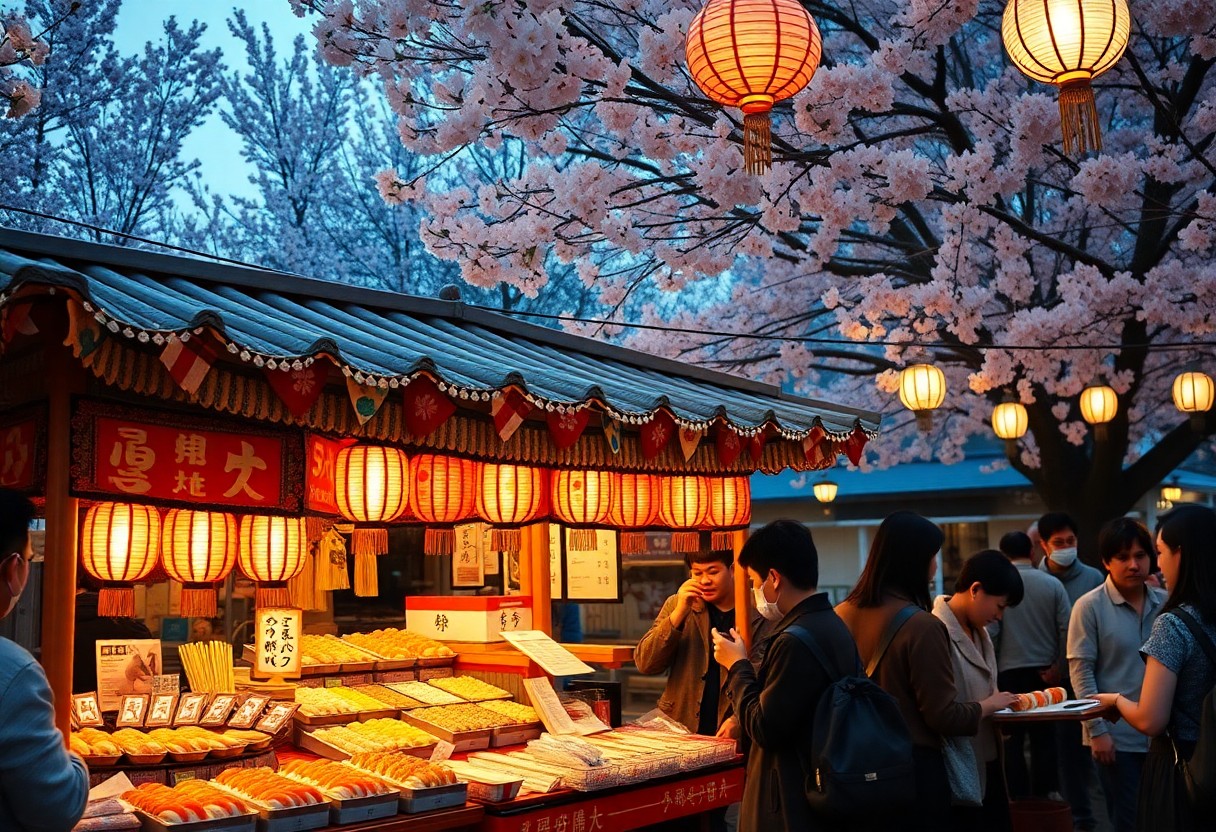
Sushi is a prominent feature during Matsuri celebrations, where vibrant festivals take place throughout Japan. You will find stalls lined with different types of sushi, attracting both locals and visitors alike. This culinary staple enhances the celebratory mood, inviting you to indulge in the flavors and textures while partaking in traditional rituals and enjoying the festive atmosphere.
Community and Family Gatherings
Festivals are an opportunity for communities and families to come together, and sushi serves as a centerpiece of these gatherings. You’ll often find families preparing sushi at home, turning it into a shared activity that fosters bonds and creates lasting memories. The act of rolling sushi together allows you to engage in conversations and storytelling, making it a delightful way to strengthen relationships while enjoying a beloved dish.
This communal aspect is deeply rooted in Japanese culture, where food is often a medium for connecting with loved ones. During family gatherings, you may find an array of sushi platters that cater to varying tastes, ensuring that everyone feels appreciated and included. The joy of sharing sushi enhances the communal spirit, reminding you of the warmth and connection that is the essence of any festival. Enjoying sushi as part of these gatherings enriches your experience, allowing you to celebrate not just the food, but the bonds that bring people together.
The Preparation and Ritual of Making Sushi
Despite its simple appearance, the preparation of sushi is steeped in tradition and ritual. Each step, from selecting the finest fish to cooking the rice, serves a purpose and reflects a deep respect for the ingredients. You will find that making sushi is not just about combining flavors but also about creating a visual and sensory experience that connects you to the culture and artistry behind this beloved dish.
Traditional Techniques
On your journey to master sushi making, you’ll encounter time-honored techniques that have been passed down through generations. Each aspect, like the delicate slicing of fish and the perfect seasoning of rice, requires practice and precision. By following these methods, you will not only enhance your skills but also honor the rich heritage of Japanese cuisine.
Modern Innovations
Along with traditional techniques, modern innovations have revolutionized sushi making, introducing new flavors and creative presentations. You might explore fusion sushi that combines diverse culinary influences, making sushi more accessible and appealing to varied palates.
In fact, many chefs now utilize technology and innovative ingredients to enhance sushi preparation. Advanced tools, such as precision cookers and sushi-making machines, streamline the process, allowing you to experiment with unique flavor combinations. Additionally, the incorporation of plant-based ingredients and sustainable practices showcases an evolving dietary landscape, making sushi a modern culinary haven for both traditionalists and newcomers alike.
Sushi in Contemporary Japanese Festivals
Your experience of Japanese festivals is incomplete without the vibrant presence of sushi, which has evolved to reflect modern tastes while retaining its traditional essence. During various celebrations, you may find various sushi offerings that cater to both locals and tourists alike, showcasing an array of colors and flavors that appeal to diverse palates. Events celebrating sushi have become prominent, emphasizing not only the culinary artistry but also the cultural significance of this beloved dish within the context of contemporary festivities.
Adaptations to Global Trends
Across the globe, sushi has adapted to suit changing consumer preferences and lifestyles, becoming a staple at contemporary Japanese festivals. Sushi presentations have shifted to include more sustainable and locally sourced ingredients, aligning with global movements towards health and environmental awareness. As you attend these festivals, you will notice innovative sushi styles that reflect dietary trends, such as vegan and gluten-free options, ensuring that everyone can partake in this iconic cuisine.
Fusion with Other Cuisines
Adaptations have also been seen in the merging of sushi with various other culinary traditions, creating exciting flavor combinations that intrigue your taste buds.
Other cultural influences have led to unique sushi fusions, such as sushi burritos or California rolls, which incorporate ingredients like avocado and crab that resonate with global cuisine. At festivals, you might encounter creative sushi variations like tempura sushi or even sushi tacos, marrying traditional Japanese elements with popular flavors from around the world. This culinary experimentation not only enhances your festival experience but also enriches the appreciation and understanding of sushi as a versatile dish, bridging cultures and creating community through food.
To wrap up
Summing up, you can see that sushi plays a significant role in Japanese festivals, enriching your cultural experience and connection to tradition. From the elaborate displays at Hanami to the communal enjoyment during matsuri, sushi is not just food—it embodies the spirit of celebration. As you participate in these events, you gain a deeper appreciation for the artistry involved in sushi-making and its place in Japan’s rich heritage. Embrace these festivities, and let sushi enhance your journey through Japan’s vibrant cultural landscape.
Q: How is sushi incorporated into Japanese festivals?
A: Sushi plays a significant role in various Japanese festivals, where it is often enjoyed as a communal dish. Different types of sushi may be featured based on the region and the specific festival. For example, during festivals like Hanami (cherry blossom viewing), people often create elaborate bento boxes that include sushi, symbolizing the enjoyment of nature and the arrival of spring. At other local festivals, sushi-making competitions might be held, showcasing skills and creativity in this beloved culinary art.
Q: What types of sushi are commonly associated with Japanese festivals?
A: Various types of sushi are associated with different festivals. In coastal regions, fresh nigiri or sashimi made from seasonal fish is popular, reflecting the local bounty. During festivals like New Year (Shogatsu), osechi ryori, which may include sushi like keisuke (sushi rolls) or chirashi-zushi (scattered sushi), is served. Each ingredient in osechi symbolizes good fortune, prosperity, and health. Additionally, regional specialties may also be available, such as inari-zushi in certain areas, which features sushi rice wrapped in sweetened tofu pockets.
Q: What cultural significance does sushi hold during these celebrations?
A: Sushi transcends mere sustenance during Japanese festivals; it embodies tradition, community, and the celebration of seasonal ingredients. Sharing sushi among family and friends fosters a sense of togetherness. Festivals also serve as a platform for showcasing regional flavors and techniques, allowing communities to express their identity through food. The aesthetic presentation of sushi is also considered an art form, emphasizing the importance of beauty and harmony in Japanese culture, which is highlighted during festive gatherings.