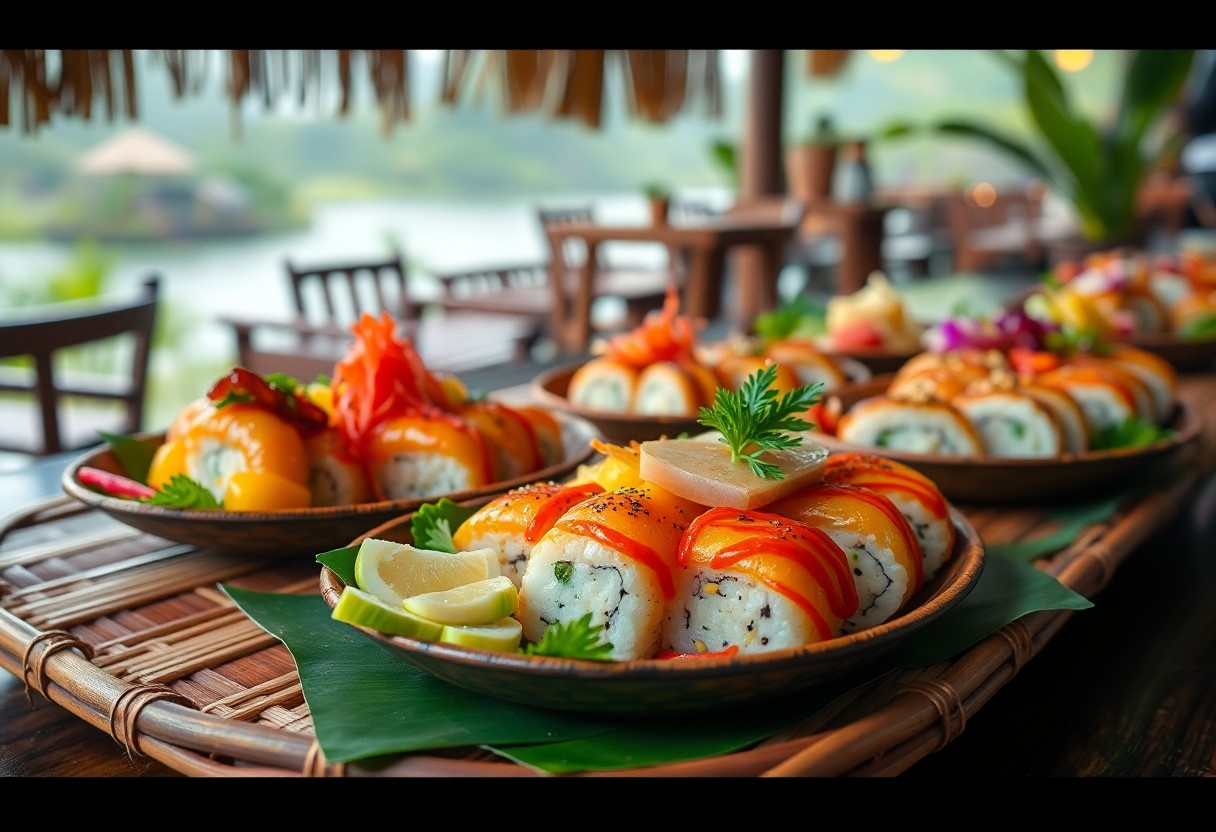
Sushi Around the World

How Sushi Became a Worldwide Trend

With its delicate flavors and artistry, sushi has captivated taste buds across the globe. You might find it intriguing how this traditional Japanese dish transformed from local delicacy to an international sensation. Understanding the journey of sushi from Japan’s coastal towns to your favorite sushi bar reveals the blending of cultures, culinary innovation, and changing consumer preferences. In this post, you will discover the factors that contributed to sushi’s rise as a beloved choice worldwide and why it continues to thrive in the ever-evolving food landscape.

Key Takeaways:

  • Globalization: The increased exchange of cultures and ideas has allowed sushi to spread beyond its Japanese origins, making it a popular dish worldwide.
  • Adaptation: Sushi has evolved to suit local tastes, incorporating various ingredients and styles that appeal to diverse populations, thus enhancing its appeal.
  • Health Consciousness: The perception of sushi as a healthy dining option has contributed to its rise in popularity, aligning with consumer trends focusing on nutrition and wellness.
The Origins of Sushi

The journey of sushi began in ancient Japan, evolving from a preservation method of fermented fish wrapped in rice to the delicious and diverse culinary art we enjoy today. Over centuries, sushi has transformed significantly, adapting to various regions and tastes, ultimately becoming a global phenomenon you recognize now.

Historical Background

Among the earliest forms of sushi was narezushi, originating in Southeast Asia over a thousand years ago. This practice involved fermenting fish with rice, extending its shelf life. Over time, during the Edo period in Japan, sushi evolved into the fresh, bite-sized delicacies we know today, paving the way for modern sushi culture.

Traditional Sushi Types

With a rich variety of sushi styles, you can explore different textures and flavors that each type offers. The most traditional forms include:

  • Nigiri
  • Sashimi
  • Maki
  • Temaki
  • Uramaki

Any visit to a sushi restaurant will present you with these classic types, showcasing the artistry involved in their preparation.

Nigiri Hand-formed rice topped with fish or seafood
Sashimi Thinly sliced raw fish, served without rice
Maki Rolls of rice and filling, wrapped in seaweed
Temaki Hand-rolled sushi cones
Uramaki Inside-out rolls with rice on the outside

The popularity of these forms can be attributed to their unique presentation and taste. Each type has its unique preparation method, allowing you to appreciate sushi as both an art form and a culinary delight.

  • Nigiri
  • Sashimi
  • Maki
  • Temaki
  • Uramaki

Any exploration of Japanese cuisine will surely introduce you to these iconic sushi types, reflecting a rich culture and history.

Nigiri Hand-shaped rice topped with fish or seafood
Sashimi Raw fish served alone, emphasizing freshness
Maki Rolled sushi with rice and filling
Temaki Hand-rolled sushi in a cone shape
Uramaki Rolls with rice on the outside and filling within

The Rise of Sushi in Japan

If you have ever wondered how sushi became a beloved dish worldwide, understanding its rise in Japan is imperative. Originating as a means to preserve fish, sushi evolved into a culinary art form that gained immense popularity in Japan. To learn more about this fascinating journey, check out How Sushi Went Global and Why Hollywood Rules the World.

Edo Period Innovations

Behind the rise of sushi in Japan lies the Edo period, a time when significant innovations transformed the dish from a simple way to preserve fish into a culinary masterpiece. The introduction of vinegared rice, along with the concept of nigiri sushi, allowed for quicker preparation and more refined presentation, making it a popular choice among the bustling Edo (modern-day Tokyo) populace.

Regional Variations

About sushi, it’s fascinating to note that regional variations emerged as local ingredients and culinary traditions influenced its preparation. Each area in Japan has its own unique take on sushi, reflecting the diverse flavors and techniques that characterize the country’s rich culinary heritage.

In fact, these regional differences have created a vibrant tapestry of sushi styles, such as Osaka’s pressed sushi, or ‘oshizushi,’ and Hokkaido’s lavish seafood options. From the simplicity of California rolls to the grandeur of sashimi, every variation tells a story about its origin and the culture surrounding it, showcasing the adaptability and creativity that sushi embodies across Japan.

Globalization of Sushi

After sushi made its way beyond Japan, it sparked a culinary revolution across the globe. As chefs and food enthusiasts recognized the appeal of its unique flavors and presentation, sushi began to occupy a significant place on Western menus. The globalization of sushi reflects not just a culinary trend, but also a cultural exchange that has transformed dining experiences in restaurants and homes alike.

Introduction to Western Markets

To fully understand how sushi gained popularity in the West, it’s necessary to consider the rise of Japanese restaurants in major cities during the late 20th century. These establishments introduced sushi not merely as food but as an art form, often coupling it with an immersive cultural experience that captivated adventurous eaters.

Fusion and Adaptation

By blending traditional sushi techniques with local ingredients and flavors, chefs across the West have created unique fusion dishes that cater to a wider audience. This creative approach has made sushi more accessible and appealing, allowing it to evolve while still honoring its origins.

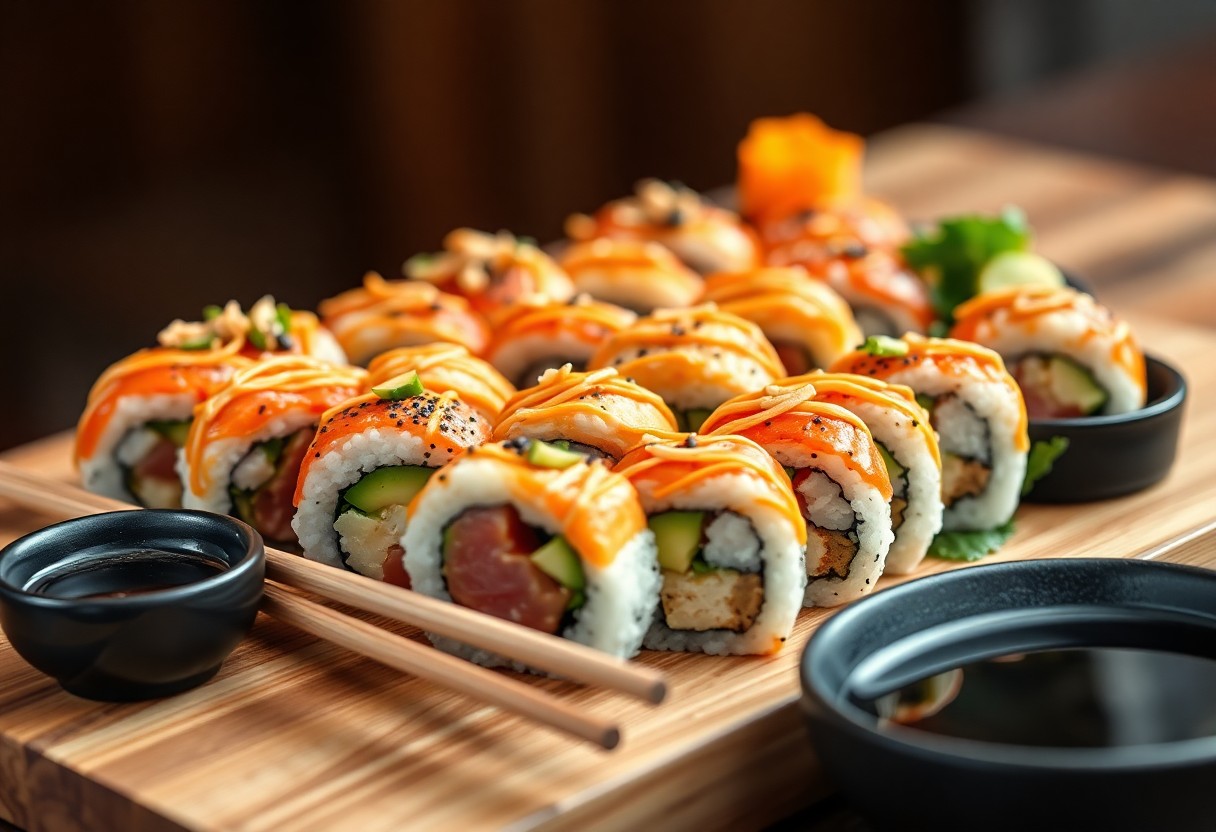
Introduction of fusion sushi has had a notable influence on culinary trends. As you explore different sushi varieties, you may encounter rolls featuring ingredients like avocado, cream cheese, and spicy mayo, which reflect local tastes. This adaptation has not only broadened sushi’s appeal but has also paved the way for innovative interpretations such as the California roll, which has become a staple in many places. By embracing these fusion styles, sushi remains relevant and exciting in your dining experience.
Sushi in Popular Culture

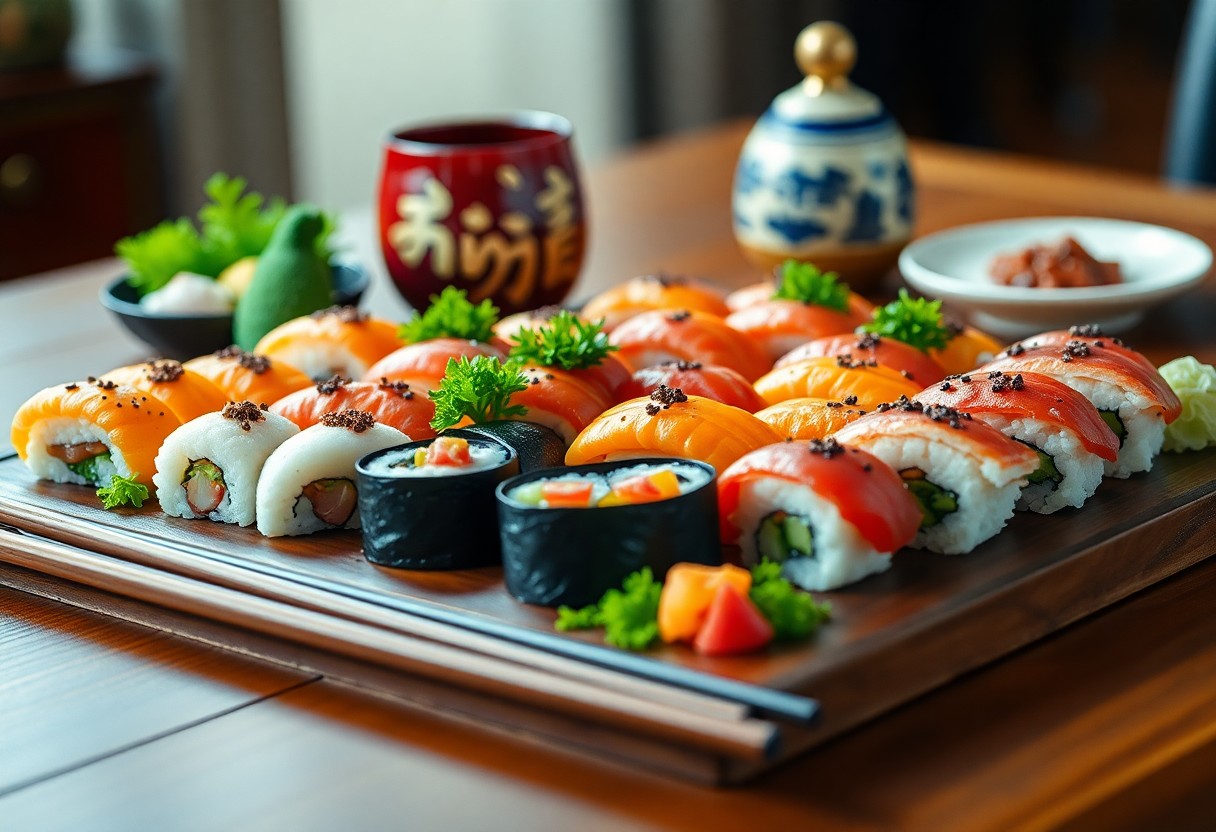
All around the world, sushi has become an iconic symbol of Japanese cuisine, permeating various aspects of popular culture. You can find sushi featured in restaurants, food festivals, and even themed events, showcasing its versatility and appeal. This cultural integration has allowed sushi to be embraced not only as a meal but as a lifestyle choice, making it a staple that resonates within diverse culinary practices and social gatherings.

Culinary Influences

To appreciate sushi’s influence, you should look at how it has inspired countless chefs and food enthusiasts. Traditional sushi has evolved, leading to innovative rolls incorporating ingredients from different cuisines. This fusion reflects your growing enthusiasm for culinary exploration, allowing sushi to adapt to local tastes while maintaining its original essence.

Representation in Media

To understand sushi’s prominence, examine its portrayal in movies and television shows, where it often symbolizes sophistication and adventure. As you watch various characters indulge in sushi, you’re drawn into a world that celebrates this intricate art of cuisine.

At the forefront of popular media, sushi has been featured in iconic films and television series, making it a beloved element of storytelling. You might recall scenes where characters share sushi, fostering connections and elevating moments of celebration. This exposure has introduced sushi to new audiences, allowing you to appreciate its cultural significance beyond just a meal. As chefs showcase their skills on cooking shows, you become increasingly captivated by the artistry involved in crafting sushi, linking the dish with creativity and passion that resonate universally.

Health and Sustainability

To appreciate sushi fully, it’s vital to consider its health benefits and sustainability. The ingredients used in sushi, such as fresh fish, vegetables, and rice, offer a diverse array of nutrients, making it a wholesome dietary choice. As environmental consciousness grows, sushi lovers are increasingly drawn to options that prioritize cleaner, more sustainable practices in sourcing ingredients, aligning their food choices with their values.

Nutritional Benefits of Sushi

Across various sushi types, you’ll find a wealth of nutritional benefits. Sushi typically features lean fish packed with omega-3 fatty acids, which are known for supporting heart health, and fresh vegetables that contribute vitamins and minerals. This well-rounded meal can provide you with vital nutrients while remaining low in calories, making it an attractive choice for health-conscious diners.

Sustainable Practices in Sushi Production

Practices in sushi production have evolved to address environmental concerns and promote sustainability. Many sushi restaurants and suppliers now source fish from responsible fisheries that focus on sustainable fishing practices, aiming to protect marine ecosystems while maximizing the quality of their catch.

A growing number of sushi chefs and restaurants emphasize sourcing their ingredients from local, sustainable suppliers to minimize environmental impact. You may notice seals of approval like the Marine Stewardship Council (MSC) certification, which indicates that fish were caught responsibly. Moreover, some establishments are also adopting farmed fish options and alternative proteins, such as plant-based sushi, to further reduce pressure on wild fish populations, showcasing a commitment to sustainability without compromising on flavor or quality.

The Future of Sushi

For sushi enthusiasts and culinary innovators alike, the future of sushi looks promising as it continues to evolve and adapt to global tastes. With a rich blend of tradition and modern flair, sushi is bound to captivate new audiences while exploring diverse flavors and presentations. As you venture into the world of sushi, expect an exciting journey filled with innovative styles and ingredients that broaden its appeal even further.

Emerging Trends

Below are some of the emerging trends in the sushi landscape, showcasing the integration of creativity and sustainability. Plant-based sushi options have gained popularity, appealing to vegans and environmentally conscious consumers. Fusion sushi rolls, incorporating flavors from various cuisines, create a unique dining experience that opens doors to new cultural explorations. You may find sushi paired with artisanal ingredients, elevating the overall appeal and catering to sophisticated palates.

Potential Challenges

Across the sushi industry, you may encounter potential challenges that could impact its future growth. As the demand for sushi rises, ensuring the sustainability of key ingredients like tuna becomes increasingly important. You may also face competition from both traditional sushi establishments and trendy modern eateries, making it vital to stand out in a crowded market.

Understanding these challenges is imperative for you as a consumer or business owner. The tuna population faces pressures from overfishing, leading to a potential scarcity of this sought-after ingredient. As sushi’s popularity grows, it is vital to advocate for responsible sourcing and support sustainable practices within the industry. Adapting to these trends and challenges will ensure that sushi continues to thrive while preserving its cultural roots and integrity for future generations.

Conclusion

As a reminder, sushi’s rise to global popularity can be attributed to various factors, including its unique flavors, health benefits, and the innovative fusion styles that chefs around the world have embraced. You play a role in this culinary journey by trying different sushi types and sharing your experiences with others. Your personal enjoyment of sushi contributes to its ongoing evolution as a beloved food option internationally, reflecting cultural exchanges that enrich your dining experiences.

FAQ

Q: How did sushi first gain popularity outside of Japan?

A: Sushi began to gain popularity outside of Japan in the mid-20th century, particularly post-World War II. American soldiers stationed in Japan were introduced to the dish and brought it back home. The first sushi restaurant in the United States opened in Los Angeles in the 1960s, and it quickly captured the interest of the American public. The unique combination of flavors, the artistic presentation, and the health benefits of sushi contributed to its growing appeal. Television shows and movies featuring sushi also played a significant role in popularizing this cuisine globally.

Q: What made sushi appealing to global audiences beyond its taste?

A: Sushi’s appeal extends beyond its taste due to several factors. The aesthetic presentation of sushi, often described as edible art, attracted food enthusiasts who appreciate visually appealing dishes. Additionally, the rising trend toward healthy eating saw sushi being recognized as a lighter alternative to many traditional Western dishes, being rich in omega-3 fatty acids and low in calories. As globalization progressed and food cultures began to intermingle, sushi’s unique flavor profile made it appealing to those seeking variety in their culinary experiences.

Q: How have sushi variations evolved in different countries?

A: Sushi has evolved significantly as it has spread across different cultures. In the United States, for example, the creation of rolls filled with unconventional ingredients, such as cream cheese or avocado, led to the popularity of the California roll, which differs from traditional sushi. Many countries have adapted sushi to include local ingredients and flavors, resulting in unique interpretations that reflect regional tastes. For instance, in Brazil, sushi is often served with tropical fruits and spices, while in the UK, sushi may include smoked salmon and cream cheese. These variations have helped sushi to maintain its global appeal and adapt to diverse palates.
The Growing Popularity of Sushi in Food Trucks

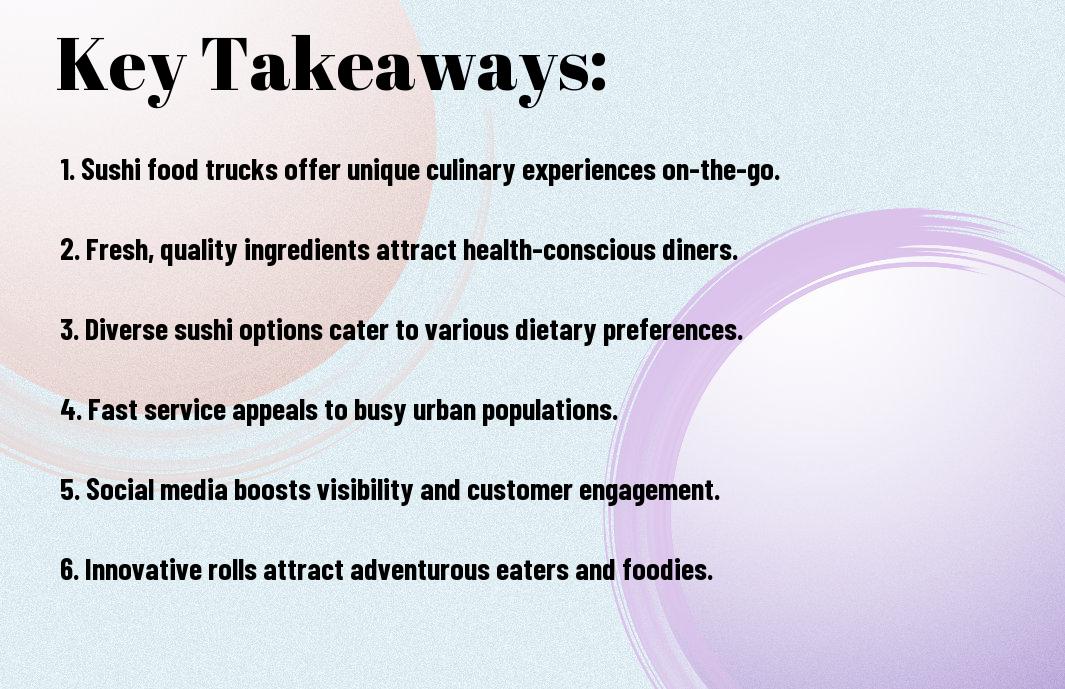
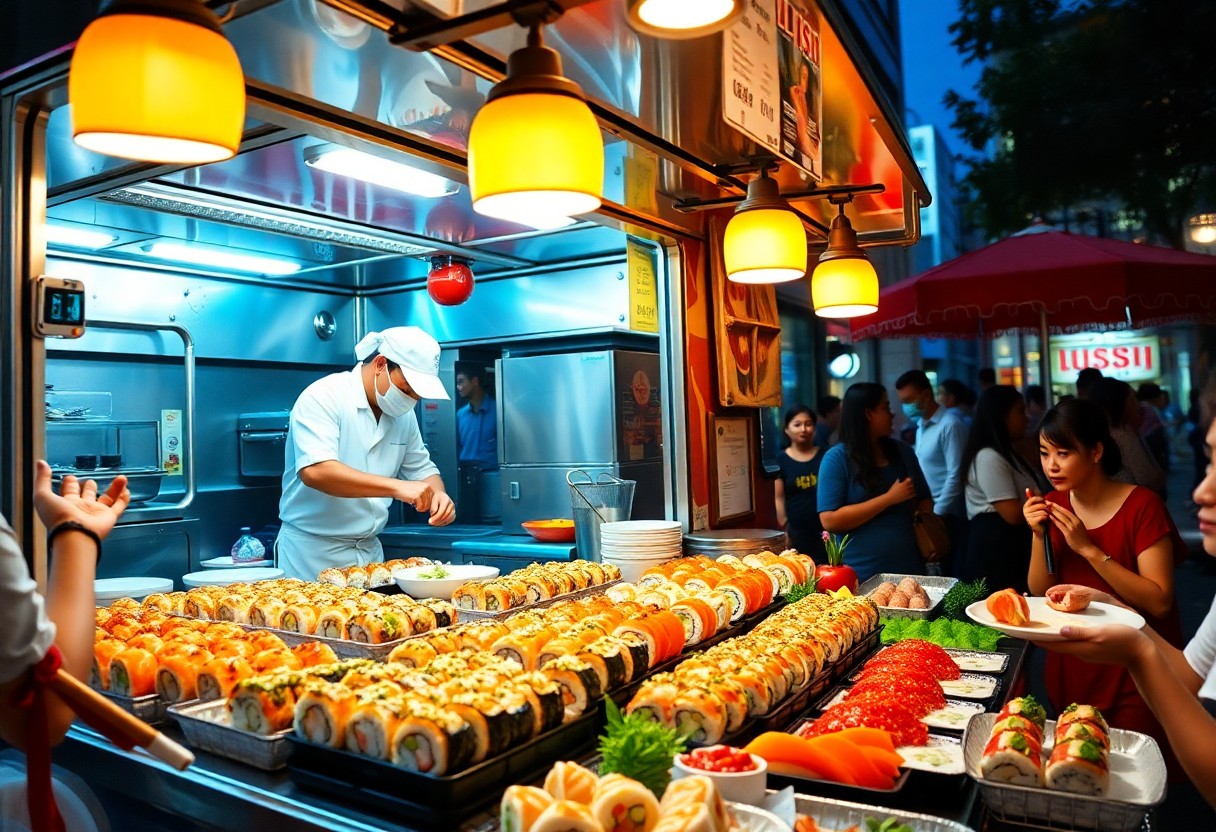
You may have noticed an exciting trend taking shape in the culinary world: sushi served from food trucks. This fusion of traditional Japanese cuisine with the vibrant food truck culture offers you quick, delicious options that cater to your busy lifestyle. As sushi gains popularity on the streets, its diverse offerings and accessible prices make it an appealing choice for food lovers seeking fresh flavors on the go. In this post, we’ll explore the reasons behind this rise and what unique experiences you can expect from your next visit to a sushi food truck.

Key Takeaways:

  • Innovative Offerings: Food trucks are introducing unique sushi rolls and fusion dishes, catering to diverse tastes and preferences.
  • Accessibility: Sushi from food trucks offers a convenient way for people to enjoy this cuisine without the formality of traditional restaurants.
  • Fresh Ingredients: Many food trucks prioritize high-quality, fresh ingredients, ensuring that sushi remains authentic and appetizing.
  • Affordability: Sushi in food trucks typically comes at a lower price point compared to sit-down restaurants, making it an attractive option for budget-conscious consumers.
  • Social Media Influence: The vibrant presentation of sushi and food truck culture often generates buzz on social media platforms, driving popularity and awareness.

The Evolution of Sushi in Street Food Culture

While sushi is often associated with fine dining, it has undergone a remarkable transformation as a street food staple. This evolution has allowed you to experience the unique flavors and freshness of sushi in a more casual setting, making it accessible and enjoyable for a broader audience. Food trucks have embraced this trend, offering innovative sushi rolls and fusion dishes that cater to your tastes on-the-go, reshaping how you view this traditional cuisine.

Historical Context

Around the 19th century, sushi began its journey as a street food in Japan, originating as a practical way to preserve fish using rice and vinegar. This method made sushi a convenient meal for busy urban dwellers, allowing you to savor fresh seafood without the wait. As it gained popularity, the practice evolved, eventually laying the groundwork for modern sushi cuisine you enjoy today.

Modern Adaptations

Among the many adaptations of sushi for street food culture, you’ll find diverse flavor profiles and creative wraps. Food trucks have introduced unique rolls featuring local ingredients and bold seasonings, allowing you to taste sushi in ways you never thought possible. From sushi burritos to poke bowls, these modern twists on traditional sushi are designed to cater to your busy lifestyle.

Evolution in street food sushi encompasses a blend of tastes and textures, often merging global influences with time-honored recipes. You can explore options like spicy tuna tacos or tempura sushi rolls, which reflect regional flavors and your preference for convenience. Each food truck offers a distinctive experience, allowing you to indulge in sushi while appreciating the cultural diversity that fuels its continued popularity. The result is a vibrant fusion of tradition and innovation that keeps you coming back for more.

Reasons for Sushi’s Popularity in Food Trucks

Clearly, the rise of sushi in food trucks can be attributed to various factors that appeal to modern consumers. With an increasing demand for unique culinary experiences and on-the-go meals, food trucks offering sushi cater to adventurous eaters seeking quality and convenience. Coupled with the creativity of food truck chefs, sushi has seen a resurgence, allowing you to enjoy gourmet cuisine without the formal setting of a restaurant.

Convenience and Accessibility

Reasons you love sushi in food trucks include the convenience and accessibility they offer. Food trucks are often located in high-traffic areas, making it easy for you to grab a delicious meal while on the go. With their flexible hours, food trucks provide you with the opportunity to enjoy fresh sushi any time of day, making it an ideal choice for busy lifestyles.

Diverse Menu Options

One major factor contributing to sushi’s popularity in food trucks is the diverse menu options available. These mobile kitchens often feature a range of sushi styles, including traditional rolls, fusion creations, and even vegan alternatives, ensuring there’s something for everyone to enjoy.

Consequently, food truck sushi menus are designed to cater to various tastes and dietary preferences. You can find an assortment of sushi rolls, sashimi, and poke bowls, allowing you to customize your meal to suit your cravings. This diversity not only enhances your dining experience but also encourages you to try something new each time you visit, making food truck sushi a continually exciting option for culinary enthusiasts.

Unique Approaches by Food Truck Owners

After recognizing the rising demand for sushi, food truck owners adopt unique strategies to stand out in a crowded market. By offering customizable rolls, playfully themed menus, or authentic regional flavors, they attract a diverse clientele. To learn more about the evolving trends in this space, check out the Top 15 Scene Trends: Scene Stats and Trends (2024).

Fusion Flavors

Between traditional sushi techniques and contemporary culinary trends, food trucks are embracing fusion flavors. This innovative approach blends diverse cuisines, such as Korean BBQ sushi or Mexican-inspired sushi burritos, appealing to adventurous eaters. The result is an exciting dining experience that challenges conventional boundaries.

Sustainability Practices

At the forefront of modern food service, many sushi food trucks are prioritizing sustainability practices. They focus on sourcing fish from eco-friendly suppliers, reducing plastic waste with reusable containers, and partnering with local farms for fresh ingredients. This commitment not only enhances your dining experience but also supports responsible consumption.

Approaches to sustainability in food trucks extend beyond sourcing. Many owners incorporate energy-efficient appliances and solar power, minimizing their environmental footprint. By advocating for seasonal ingredients, they reduce transportation emissions and promote local agriculture. Additionally, eco-conscious practices resonate with consumers, fostering loyalty and encouraging a new generation of diners who prioritize environmental care.

Impact on Local Communities

Not only does sushi in food trucks offer a unique culinary experience, but it also strengthens the fabric of local communities. By increasing accessibility to diverse food options, you foster a sense of inclusivity while encouraging local gatherings and events. These food trucks often become meeting places where different cultures intersect, enhancing community bonds over shared culinary experiences. This growing trend enriches the local culture and enhances the overall dining landscape, appealing to both residents and visitors alike.

Supporting Local Economies

Above all, the rise of sushi food trucks plays a pivotal role in bolstering local economies. You contribute to job creation and support small business ownership, leading to a more robust economic ecosystem. By purchasing from these food trucks, your dollars are funneled back into the community, aiding in the growth of local suppliers and vendors, further enhancing economic interdependence.

Promoting Culinary Diversity

After all, sushi food trucks represent a vibrant expression of culinary diversity in your community. They introduce you to a variety of flavors and styles that you might not typically encounter in traditional restaurants. This variety not only tantalizes your taste buds but also educates you about different cultural practices, fostering a greater appreciation for global cuisine.

Considering the influx of sushi food trucks, you are presented with opportunities to explore new cuisines and flavors that challenge your palate and broaden your culinary horizons. Each bite offers a sensory adventure, introducing you to unique interpretations of traditional sushi, from classic rolls to fusion creations. This culinary diversity reflects the local culture and invites you to participate in a global dining experience, making every meal an opportunity for cultural exchange. By embracing these food trucks, you celebrate the rich tapestry of flavors, traditions, and stories that contribute to your community’s unique identity.

Challenges Faced by Sushi Food Trucks

Many sushi food trucks encounter unique challenges that can impede their success. From strict health regulations to the need for consistent quality of ingredients, navigating these hurdles is imperative for building a thriving sushi business on wheels. Understanding these challenges can help you better prepare and strategize for your own sushi food truck venture.

Regulatory Issues

Regulatory compliance is a primary concern for sushi food trucks, as you must adhere to local health and safety regulations. Ensuring that your truck meets all operational standards can be time-consuming and may require modifications to your equipment or even the truck itself. Additionally, obtaining necessary permits can be a complicated process, making it vital for you to stay informed about the guidelines in your area.

Sourcing Fresh Ingredients

An ongoing challenge for sushi food trucks is sourcing fresh ingredients. Given the perishable nature of sushi components, you must establish relationships with reliable suppliers who can provide high-quality fish and produce consistently. Your commitment to freshness will greatly influence customer satisfaction and repeat business.

Even when you find good suppliers, seasonal variations can impact availability and pricing. It’s important to stay flexible with your menu to accommodate these changes while maintaining a focus on quality. Consider implementing a just-in-time inventory system to minimize waste and ensure you always serve the best possible product to your customers.

Customer Demographics and Trends

Now, the growing popularity of sushi in food trucks is reflective of evolving consumer tastes and preferences. Your demographic analysis shows that a diverse range of customers, including millennials and health-conscious individuals, are increasingly drawn to sushi offerings. The fast-casual nature of food trucks aligns perfectly with the on-the-go lifestyle of busy urban dwellers, making sushi a convenient and appealing choice.

Target Audience Analysis

By identifying your target audience, you can tailor your sushi food truck offerings effectively. Millennials remain a significant demographic, often seeking unique, flavorful, and healthy dining options. Additionally, families and professionals want convenient meal solutions, making sushi an ideal fit for your menu.

Social Media Influence

Influence from social media platforms has transformed how food trends spread, particularly for food trucks. The visually appealing nature of sushi lends itself well to platforms like Instagram, where you can showcase your creations. Engaging with your audience through beautiful visuals and interactive content can significantly boost your food truck’s popularity.

Due to the shareable nature of sushi dishes, many food trucks find success by encouraging customers to post and tag their experiences online. Additionally, influencers and food bloggers can amplify your reach, driving more foot traffic to your truck. By consistently sharing delicious-looking images and engaging stories, you can cultivate a loyal social media following, enhancing your food truck’s reputation and customer base.

Summing up

Ultimately, the growing popularity of sushi in food trucks reflects a shift in your culinary preferences towards diverse, convenient dining options. With their ability to offer fresh, high-quality sushi on the go, food trucks are making this traditional cuisine more accessible than ever. As you explore your local food truck scene, you’ll find unique fusion options and imaginative presentations that redefine sushi. Embracing this trend not only enriches your eating experiences but also supports local entrepreneurs who are passionate about bringing this beloved dish to the streets.

FAQ

Q: Why has sushi become popular in food trucks?

A: Sushi has gained popularity in food trucks due to its versatility and ease of preparation. Food truck chefs can create a variety of sushi rolls and bowls that cater to different tastes and dietary preferences, making sushi an attractive option for on-the-go dining. Additionally, food trucks can operate in various locations, allowing sushi to reach a broader audience.

Q: What types of sushi are commonly found in food trucks?

A: Food trucks often feature a range of sushi options, including traditional rolls, fusion variations, poke bowls, and sushi burritos. These offerings can incorporate unique ingredients to suit local tastes, such as spicy tuna, tempura shrimp, or seasonal vegetables, appealing to both sushi aficionados and newcomers alike.

Q: Are food truck sushi options safe to eat?

A: Yes, food truck sushi can be safe to eat if the vendors adhere to proper food safety guidelines and use high-quality ingredients. Many reputable food trucks source fresh fish and other components from trusted suppliers and follow strict hygiene practices. It’s always a good idea to check reviews or look for health ratings to ensure a positive experience.

Q: How does the price of sushi in food trucks compare to traditional sushi restaurants?

A: Sushi prices in food trucks can vary but are often more affordable than those at traditional sushi restaurants. Since food trucks have lower overhead costs, they can pass on some savings to customers. This price point makes sushi more accessible, especially for those who may feel hesitant to spend on a sit-down dining experience.

Q: What are some challenges sushi food trucks face?

A: Sushi food trucks encounter several challenges, including ingredient sourcing, maintaining freshness, and competition in a crowded food truck market. Ensuring the quality and presentation of sushi while working with limited space and equipment can also be demanding. However, successful food trucks often find creative ways to overcome these obstacles and build a loyal customer base.

How Sushi Is Made in Korea – Kimbap vs. Sushi

Sushi is not just a culinary delight; it encompasses various forms, reflecting the cultural differences between Japan and Korea. You might be familiar with sushi, but have you tried kimbap? Both dishes feature rice and seaweed, yet they differ significantly in ingredients and preparation. Understanding these distinctions can enhance your appreciation for both cuisines. To dive deeper into the specifics, check out this guide on What’s The Difference Between Kimbap and Sushi?.

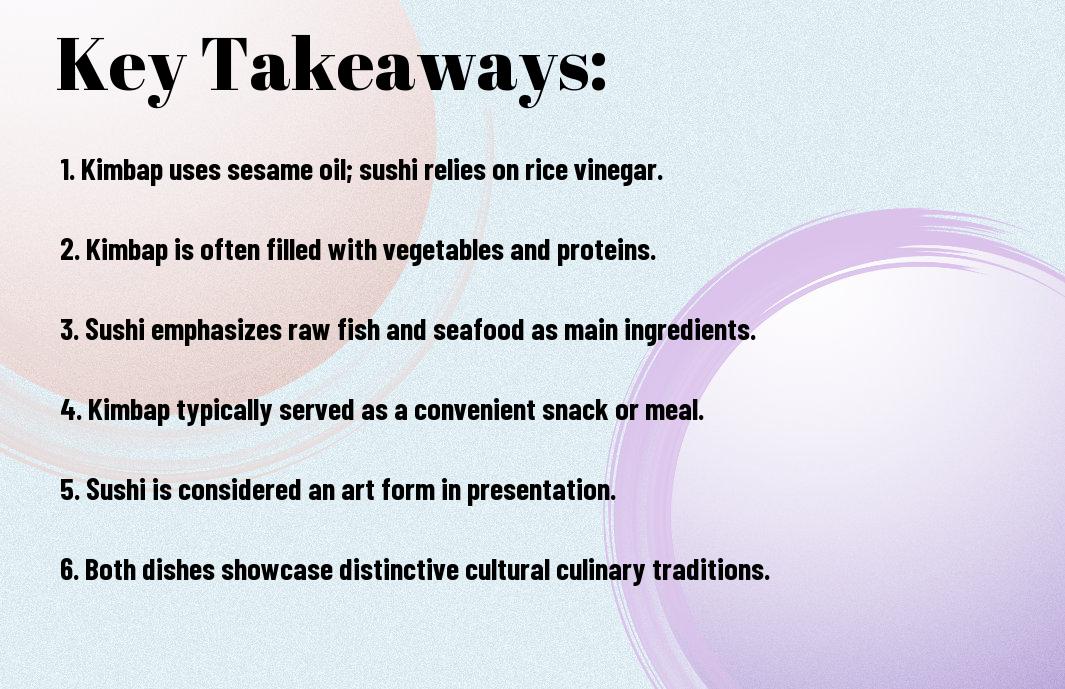
Key Takeaways:

  • Kimbap vs. Sushi: Kimbap is a Korean dish that resembles sushi but has distinct ingredients and preparation methods.
  • Ingredients: Kimbap typically uses fillings like vegetables, pickled radish, and protein such as beef or egg, while sushi often incorporates raw fish and seafood.
  • Seasoning: Sushi rice is seasoned with vinegar, sugar, and salt, whereas kimbap rice is commonly mixed with sesame oil and salt for flavor.
  • Presentation: Kimbap is usually rolled tightly and sliced into bite-sized pieces, while sushi comes in various forms, including nigiri and maki.
  • Cultural Significance: Kimbap is often enjoyed as a picnic food or snack in Korea, highlighting its role in Korean communal dining experiences.

The Origins of Sushi and Kimbap

For many food enthusiasts, the differences between sushi and kimbap can lead to interesting discussions, particularly surrounding their origins. Is kimbop considered sushi? : r/asianamerican examines into the nuances that separate these two beloved dishes, rooted in their unique histories and cultural backgrounds.

Historical Roots

Among the earliest precursors of sushi, you will find fermented rice dishes in ancient Japan, which were used to preserve fish. Kimbap, on the other hand, has its origins in the traditional Korean meal, using seasoned rice and various fillings wrapped in seaweed, reflecting the agrarian lifestyle of Korea.

Cultural Significance

Against the backdrop of their historical contexts, both sushi and kimbap hold considerable cultural significance in their respective countries. Kimbap is often associated with family gatherings and picnics, representing comfort and community, while sushi is considered an art form in Japan, highlighting precision and culinary skill.

Even today, these dishes exemplify the intrinsic values of their cultures: sushi embodies the Japanese ethos of perfection and simplicity, while kimbap emphasizes social connection and shared experiences. Understanding these cultural aspects enriches your appreciation of both meals, making them not just food, but also a representation of heritage and tradition.

Ingredients Used in Sushi and Kimbap

Assuming you are familiar with the basics of sushi and kimbap, it’s necessary to note the differences in their ingredients. Sushi typically incorporates vinegared rice, seafood, and various vegetables, while kimbap features sesame oil-infused rice paired with vegetables, meats, or fish, all wrapped in seaweed. Although both dishes share some similarities, the flavor profiles and preparations set them apart, making each a unique culinary experience.

Common Ingredients

Behind the scenes, the common ingredients for sushi include sushi rice, raw fish like salmon or tuna, seaweed, and vegetables such as cucumber and avocado. In contrast, kimbap primarily uses steamed rice, seasoned vegetables like pickled radish, and protein options such as bulgogi or crab meat, combined in a rolled format that offers a satisfying texture and taste.

Regional Variations

Ingredients can vary significantly based on the region where sushi or kimbap is made.

Even within Korea or Japan, local ingredients play a pivotal role in defining the character of these dishes. For instance, in coastal areas of Japan, you might find sushi utilizing the freshest local seafood, whereas inland areas focus on alternative proteins and vegetables. Similarly, in Korea, regions like Jeolla Province may include wild greens and local seafood in kimbap recipes, reflecting the area’s agricultural and fishing traditions. This diversity adds depth and richness to the overall culinary landscape of sushi and kimbap, inviting you to explore different flavors and interpretations.

Preparation Techniques

Keep in mind that the preparation techniques for sushi and kimbap are distinct yet share some similarities. Both involve a steady hand and attention to detail, but they each highlight unique ingredients and styles influenced by their cultures. Understanding these methods will enhance your appreciation for both dishes as you explore their individual characteristics and flavors.

Sushi-Making Process

SushiMaking begins with selecting high-quality sushi rice, which is seasoned with a mixture of vinegar, sugar, and salt. You then shape the rice into small balls or layer it for rolls, adding fresh fish and vegetables as you go. The process emphasizes balance and presentation, making it a delightful culinary art to master.

Kimbap Preparation

On the other hand, kimbap is prepared by cooking and seasoning the rice with sesame oil while it’s still warm. You layer various fillings, such as pickled radish, vegetables, and proteins, then roll it all tightly in seaweed. The final touch is slicing the roll into bite-sized pieces, showcasing the vibrant colors of the ingredients.

In addition to the vital components, kimbap’s preparation allows for greater personal expression, with fillings ranging from bulgogi to tofu, catering to various tastes. The use of sesame oil gives it a unique aroma, while the fillings encapsulate a balance of taste and texture. The rolling technique is pivotal, as a tightly rolled kimbap ensures that each bite is flavorful and cohesive. Enjoy experimenting with different ingredients to create your own perfect kimbap roll!

Presentation and Serving Styles

To appreciate the nuances between kimbap and sushi, it’s necessary to understand their distinct presentation and serving styles. Both dishes showcase vibrant colors and fresh ingredients, but they each have their unique flair that reflects their cultural origins.

Sushi Presentation

Serving sushi is often an art form, with each piece meticulously crafted and artfully arranged. Traditional sushi is presented on decorative plates, sometimes accompanied by garnishes like wasabi and pickled ginger to enhance its visual appeal and flavor profile.

Kimbap Serving Methods

On the other hand, kimbap is typically served in a more casual manner, often sliced into bite-sized pieces and arranged on a simple platter. It’s common for kimbap to be accompanied by a side of pickled radish, adding a delightful contrast to the dish.

Presentation plays an important role in kimbap serving methods, as the slices reveal the colorful ingredients inside. Often enjoyed as a picnic or snack food, kimbap can be wrapped in plastic or placed in a bento-style box for easy transport. You will find it served at casual gatherings, showcasing its inviting and accessible nature that invites sharing and enjoyment among friends and family.

Taste and Flavor Profiles

Unlike sushi, which often emphasizes the freshness of its seafood and the delicate balance of flavors, kimbap presents a heartier taste experience. Filled with an assortment of ingredients like seasoned vegetables, proteins, and rice, kimbap offers a diverse palate that caters to various preferences. The boldness of sesame oil and the slight sweetness of cooked components blend seamlessly, making kimbap a satisfying meal on its own.

Sushi Flavor Elements

Sushi thrives on the natural flavors of its core ingredients, particularly the fish. You’ll enjoy the umami richness that fresh seafood brings, often complemented by a touch of soy sauce or wasabi. The vinegared rice acts as the perfect neutral base, allowing the fish and garnishes to shine while creating a harmonious flavor profile.

Kimbap Taste Characteristics

Along with its pleasing presentation, kimbap’s taste is defined by its variety of fillings and the seasonings that accompany them. You’ll find that the spectrum of flavors ranges from savory to slightly sweet, as ingredients such as pickled radish and marinated vegetables elevate the overall experience. The sesame oil adds depth and richness, making each bite enjoyable.

Profiles of kimbap are all about balance and variety. The mix of textures from the crunchy vegetables, tender rice, and flavorful meats creates a delightful contrast. Furthermore, the addition of unique ingredients like eggs or kimchi enhances the spectrum of flavors, ensuring that each piece remains interesting and satisfying. You’ll discover that kimbap is versatile enough to incorporate seasonal ingredients, making it a delightful option for any occasion.

Nutritional Comparison

All the nutritional values of kimbap and sushi can vary significantly based on their ingredients and preparation methods. Understanding these differences can help you make informed dietary choices.

Kimbap Sushi
Higher in carbohydrates Typically lower in carbs
Often includes vegetables and meat Features fish as a primary ingredient
May contain sesame oil Usually seasoned with rice vinegar
Lower calorie options available Higher protein options with raw fish

Health Benefits of Sushi

Above all, sushi offers various health benefits, primarily due to its fresh ingredients. Rich in omega-3 fatty acids and protein, sushi can promote heart health and improve brain function. The seaweed used in sushi is also a great source of vital vitamins and minerals, enhancing its overall nutritional value.

Nutritional Aspects of Kimbap

Across the board, kimbap presents its own set of nutritional benefits, often containing a variety of vegetables that provide fiber and vital nutrients. The use of rice offers a good source of energy, while any added proteins, such as egg or meat, contribute to muscle building.

Also, kimbap often includes a variety of colorful vegetables, making it not only nutritious but also visually appealing. The inclusion of ingredients like pickled radish and cooked meats provides a balance of flavors, while the seaweed wrapping adds trace minerals. You can enjoy kimbap as a convenient option for a fulfilling meal, bolstering both your energy levels and nutritional intake throughout the day.

Summing up

To wrap up, understanding the differences between kimbap and sushi enhances your appreciation for these beloved dishes. While kimbap focuses on utilizing various vegetables and meats wrapped in seasoned rice, sushi emphasizes fresh seafood and rice vinegared to elevate its flavor. By exploring the nuances in preparation, ingredients, and cultural significance, you can enjoy these unique culinary experiences from Korea and Japan, each offering distinct flavors and textures that cater to your taste buds.

FAQ

Q: What is the main difference between Kimbap and sushi in terms of ingredients?

A: Kimbap typically features cooked or pickled ingredients such as vegetables, meats, and fish, while sushi often includes raw fish alongside vinegared rice. Kimbap is usually filled with items like beef, tuna, carrots, and pickled radish, while sushi may emphasize fresh fish varieties like salmon, tuna, or sea bass.

Q: How is the rice prepared for Kimbap compared to sushi?

A: In Kimbap, the rice is cooked with sesame oil and salt, which gives it a distinct flavor. Sushi rice, on the other hand, is seasoned with a mixture of rice vinegar, sugar, and salt, providing a slightly tangy taste. This difference in preparation contributes to the unique flavor profiles of each dish.

Q: Are there any differences in presentation between Kimbap and sushi?

A: Yes, the presentation of Kimbap and sushi can vary significantly. Kimbap is usually served in long, cylindrical slices and often arranged in a way that showcases the colorful ingredients. Sushi is presented in various forms, such as nigiri (rice topped with a slice of fish) or maki (rolled sushi), and tends to emphasize the fresh fish more prominently.

Q: What are some common occasions for eating Kimbap compared to sushi?

A: Kimbap is often enjoyed as a convenient meal or snack, making it a popular choice for picnics and outdoor activities in Korea. Sushi, particularly in its more artisanal forms, is typically served in restaurants and enjoyed during special occasions or as part of fine dining experiences. The context in which each dish is consumed reflects cultural preferences and traditions.

Q: Can you find sushi easily in Korea like Kimbap?

A: While Kimbap is widely available at street vendors, convenience stores, and restaurants throughout Korea, sushi is usually found in specialized sushi restaurants or higher-end dining establishments. The availability of sushi may be less prevalent compared to Kimbap, which is more integrated into everyday Korean cuisine.

Exploring Brazilian Sushi – Exotic Fruits and Flavors

Over the years, Brazilian sushi has emerged as a delightful fusion of traditional Japanese techniques and the vibrant flavors of Brazil’s tropical fruits. As you examine into this culinary adventure, you’ll discover how unique ingredients like mango, passion fruit, and açaí are incorporated into sushi rolls, elevating your dining experience to new heights. This blog post will guide you through the origins, creative combinations, and vital elements that set Brazilian sushi apart, inviting you to explore this exotic twist on a beloved dish.

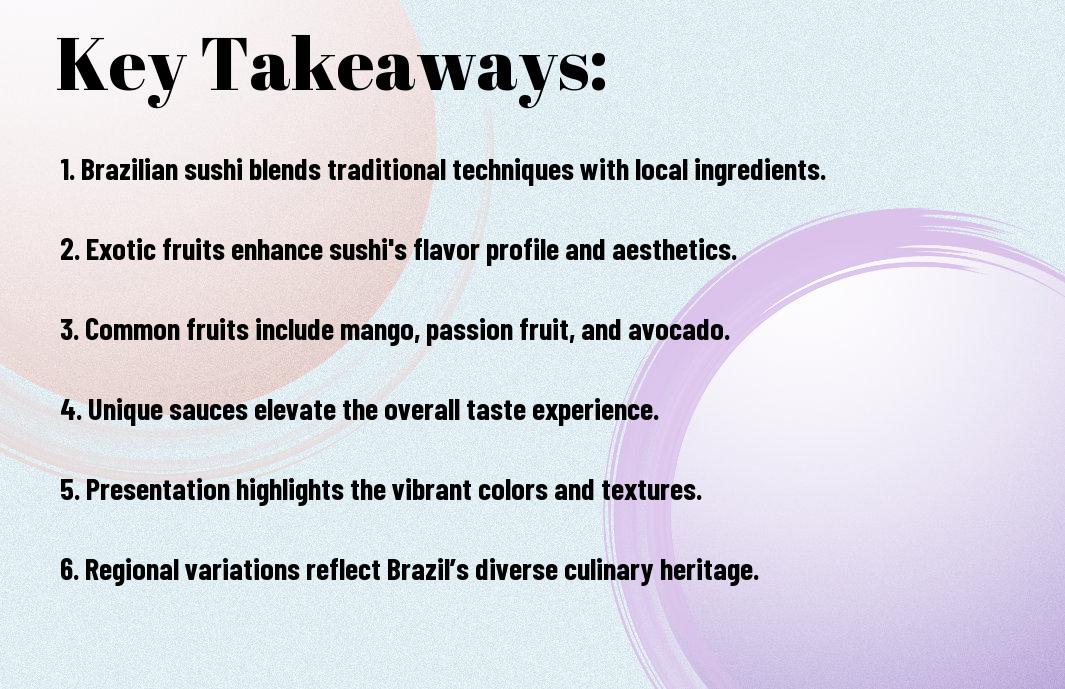
Key Takeaways:

  • Fusion Cuisine: Brazilian sushi combines traditional Japanese techniques with vibrant Brazilian flavors and ingredients.
  • Exotic Fruits: Commonly used fruits like mango, passion fruit, and coconut enhance the freshness and sweetness of sushi dishes.
  • Local Ingredients: The inclusion of native seafood and spices contributes to the unique taste profile, differentiating it from classic sushi.
  • Innovative Rolls: Look out for creative rolls that feature unconventional toppings and fillings, showcasing the creativity of Brazilian chefs.
  • Gourmet Experience: Brazilian sushi often elevates dining with its artistic presentations and a focus on fresh, high-quality ingredients.

The Fusion of Japanese and Brazilian Culinary Traditions

While the combination of Japanese and Brazilian culinary practices may seem unexpected, this fusion creates an extraordinary dining experience. Chefs blend traditional sushi techniques with unique Brazilian ingredients, resulting in an innovative take on sushi that highlights regional flavors. This harmonious blend gives rise to a tantalizing assortment of dishes that will surprise and delight your palate. To explore more about how diverse elements come together in Brazilian cuisine, check out The rich flavors of Brazilian cuisine – Vida boa Açai.

Historical Context

Before the arrival of Japanese immigrants in Brazil in the early 20th century, the country’s culinary landscape was rich, influenced by Indigenous, African, and European cuisines. Over time, these immigrants began to incorporate native Brazilian flavors and ingredients into their traditional dishes, giving rise to a unique gastronomic identity that reflects the cultural diversity of Brazil. This historical merging laid the groundwork for the innovative creations you see today in Brazilian sushi.

Key Ingredients in Brazilian Sushi

An exciting aspect of Brazilian sushi is the use of distinctive local ingredients. You will find tropical fruits like mango and passion fruit adding brightness and sweetness, as well as vibrant vegetables such as avocados and palm hearts. Furthermore, Brazilian spices and herbs enrich the flavor profiles, creating a delightful contrast to traditional sushi elements.

In fact, the inclusion of these unique ingredients not only elevates the sushi experience but also gives you a taste of Brazil’s lush landscape. For instance, the creamy texture of avocado pairs perfectly with the acidity of passion fruit while the crunch of fresh vegetables adds an exciting texture. Each bite is a conversation between cultures, allowing you to savor both the traditional essence of sushi and the bold flavors of Brazil. This fusion isn’t just about taste—it’s about celebrating culinary diversity.

Exotic Fruits in Brazilian Sushi

Assuming you haven’t yet tasted Brazilian sushi, prepare for a delightful adventure that transcends the traditional. This unique fusion incorporates tropical fruits, enhancing the flavor profile and offering a fresh take on sushi. By integrating ingredients like açaí, mango, and passion fruit, Brazilian sushi brings a vibrant palette of flavors that are both unexpected and delicious, inviting you to explore a new world of culinary possibilities.

Açaí and Its Unique Flavor Profile

At the heart of Brazilian sushi lies açaí, a superfood with a unique flavor profile that combines earthy, berry-like notes with a hint of chocolate. This versatile fruit not only enhances the sushi’s taste but also adds a wealth of nutritional benefits, including antioxidants and healthy fats. Incorporating açaí into your sushi experience allows you to enjoy a refreshing twist while indulging in vibrant flavors.

Other Tropical Fruits: Mango, Passion Fruit, and Beyond

For those eager to expand their palate, Brazilian sushi also showcases delightful tropical fruits like mango and passion fruit. These fruits play an necessary role in Brazilian sushi’s creativity, striking a perfect balance between sweet and tangy. They elevate each bite with their lush textures and exciting flavors, making your sushi experience even more enjoyable.

Fruit choices like mango and passion fruit add not only flavor but also a stunning visual appeal to your sushi. Mango’s creamy sweetness beautifully contrasts the savory elements, while the tartness of passion fruit provides a zesty kick, enhancing the overall flavor profile. Exploring these tropical ingredients will deepen your appreciation of how Brazilian sushi breaks traditional boundaries, inviting you to indulge in an extraordinary taste sensation.

Innovative Sushi Rolls Featuring Brazilian Flavors

Now that you’ve discovered the rich culinary tradition of Brazilian flavors, it’s time to probe innovative sushi rolls that highlight these unique tastes. Brazilian sushi brings a vibrant twist to traditional sushi, incorporating ingredients such as tropical fruits, spices, and local seafood that create a harmonious fusion. With each bite, you can expect a delightful explosion of flavors that transports your palate to the sun-soaked beaches of Brazil.

Signature Brazilian Sushi Rolls

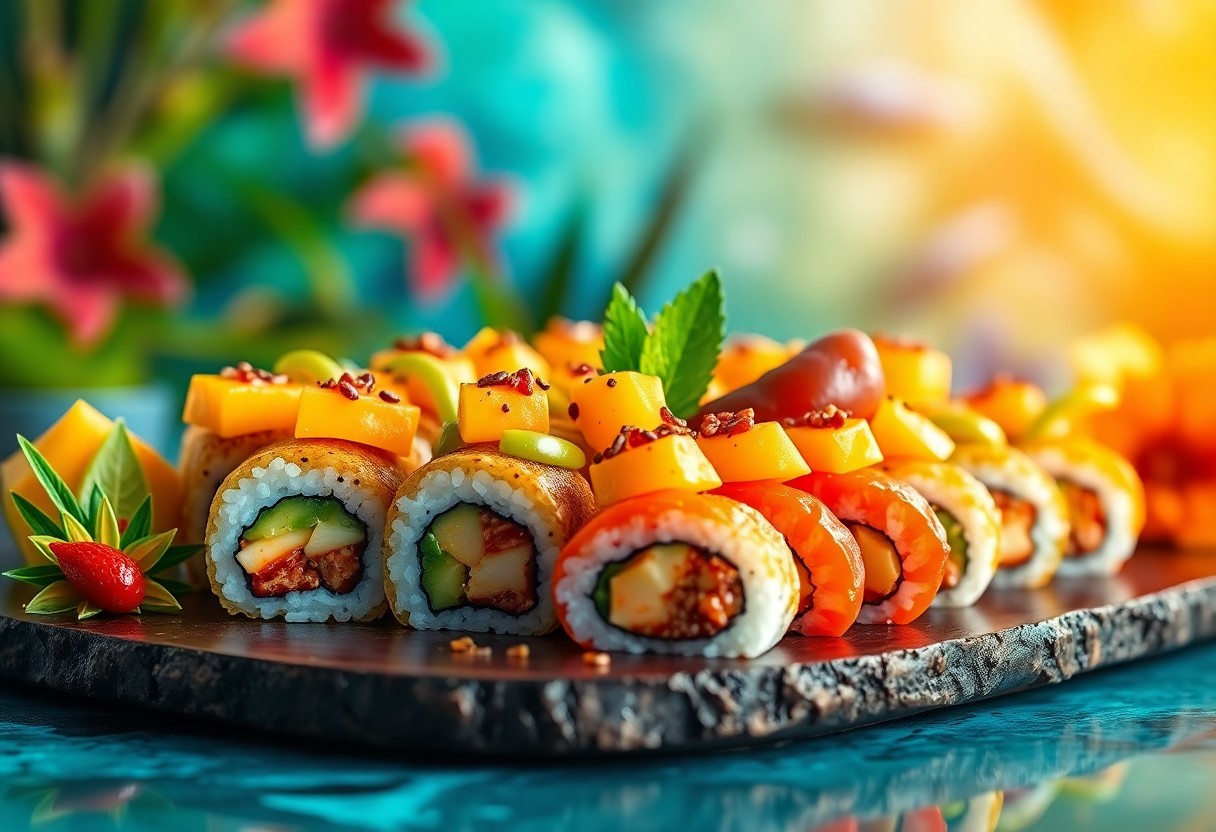
Innovative sushi rolls often feature signature Brazilian ingredients that showcase the country’s culinary depth. For instance, sushi rolls filled with creamy avocado, sweet mango, and spicy shrimp tempura encapsulate the essence of Brazilian cuisine. You can also indulge in the popular combination of smoked salmon paired with tangy passion fruit, marrying the flavors and textures that elevate your sushi dining experience.

Pairings with Brazilian Sauces and Condiments

The right sauces and condiments can significantly enhance your Brazilian sushi experience by adding depth and complexity. You can experiment with zesty chimichurri, spicy malagueta sauce, or even a drizzle of guava sauce, allowing your sushi rolls to shine in a new light. These bold pairing options create a perfect balance with the freshness of the sushi and the tanginess of the fruit, resulting in a uniquely tantalizing combination.

And as you explore these delicious pairings, consider how each sauce complements the sushi roll’s ingredients. For example, a zesty chimichurri can brighten up a spicy tuna roll, while a sweet guava sauce may enhance the flavors of a mango and shrimp roll. Embracing these condiments allows you to personalize your sushi experience, making each bite more exciting and satisfying. Don’t hesitate to mix and match, and let your taste buds guide you through this exotic culinary adventure.

The Role of Regional Variations in Brazilian Sushi

Once again, regional variations play a significant role in shaping Brazilian sushi, allowing you to explore an array of flavors that reflect the diverse landscapes and cultures across the country. From the Amazon rainforest to the coastal regions, each area contributes its unique ingredients and culinary techniques, resulting in a fusion of traditional sushi with local flavors. This melange transforms your dining experience into a vibrant celebration of Brazil’s rich culinary heritage.

Influences from Different Brazilian States

States across Brazil infuse their unique agricultural products into sushi, creating distinct regional interpretations. For instance, the incorporation of Amazonian ingredients, such as açaí and cupuaçu, brings vibrant flavors, while the use of local fish varieties from coastal states adds freshness to the dish. You’ll find that these differences not only enhance the taste but also embrace the rich cultural narratives of each region.

Popularity in Urban vs. Rural Areas

Beside the variance in ingredients, Brazilian sushi showcases differing popularity between urban and rural areas. In bustling cities, sushi bars flourish, influenced by global trends and a diverse population, while rural regions may embrace a more localized approach, featuring homemade variations.

Variations in culinary preferences between urban and rural areas shape how you experience Brazilian sushi. In urban settings, sushi is frequently an upscale dining option, often served in vibrant sushi bars that combine traditional Japanese techniques with Brazilian ingredients. Conversely, rural areas tend to evoke a simpler, more rustic atmosphere where homemade sushi is often prepared for family gatherings, highlighting local produce and communal joy. This contrast invites you to savor the distinctive culinary landscapes Brazil offers, from the fine dining experience to the cozy family meals.

Cultural Significance of Sushi in Brazil

Unlike traditional Japanese sushi, which emphasizes simplicity and seasonality, Brazilian sushi reflects a vibrant fusion of cultures and ingredients. This culinary art has embraced tropical flavors and local produce, merging Asian techniques with Brazilian culinary practices. As a result, sushi has become a symbol of Brazil’s multicultural identity, highlighting the country’s ability to adapt and innovate while celebrating culinary diversity.

Sushi as a Reflective Dish of Modern Brazilian Society

One could argue that sushi embodies the contemporary Brazilian lifestyle, showcasing a blend of sophistication and accessibility. The intricate presentations and bold flavors of Brazilian sushi not only satisfy your palate but also serve as a conversation starter among friends and family. This dish stands at the crossroads of tradition and modernity, reflecting how food can unite various cultural influences in today’s Brazil.

The Growth of Sushi Restaurants in Brazil

Significance is underscored by the rapid proliferation of sushi restaurants across Brazil, which demonstrates the growing popularity of this cuisine in urban areas.

To understand the factors behind this surge, consider the increasing demand for unique dining experiences that cater to adventurous palates. Sushi restaurants have expanded beyond traditional offerings, creatively incorporating local ingredients like tropical fruits and regional spices. This evolution not only attracts food enthusiasts but also encourages a broader appreciation of culinary innovation within Brazil. As a result, dining establishments specializing in sushi continue to thrive, transforming the dining landscape and reflecting a dynamic gastronomic culture.

Conclusion

With these considerations, you can appreciate how Brazilian sushi uniquely combines exotic fruits and vibrant flavors to create a delightful culinary experience. This adventurous fusion not only showcases the rich diversity of Brazilian ingredients but also invites you to expand your palate and indulge in the harmonious blend of tastes. As you explore this innovative cuisine, you may discover new favorites that will elevate your sushi dining experience to new heights.

FAQ

Q: What makes Brazilian sushi different from traditional sushi?

A: Brazilian sushi, often referred to as “sushi brasileiro,” incorporates a variety of unique ingredients that reflect Brazil’s diverse culinary influences. While traditional sushi includes raw fish and simple rice, Brazilian sushi often features exotic fruits like mango and guava, as well as unconventional toppings such as cream cheese and spicy sauces. This fusion creates a vibrant flavor profile that is distinctively Brazilian.

Q: What are some common ingredients found in Brazilian sushi?

A: Common ingredients in Brazilian sushi include various types of fresh fish such as salmon and tuna, paired with tropical fruits like passion fruit and açaí. Other popular additions are crispy tempura, cream cheese, and innovative sauces like teriyaki and chili-infused mayonnaise, adding an exciting twist to the traditional sushi experience.

Q: Are there vegetarian or vegan options available in Brazilian sushi?

A: Yes, there are plenty of vegetarian and vegan options available in Brazilian sushi. These can include rolls filled with ingredients like avocado, cucumber, and a variety of tropical fruits, or even tempura vegetables. Sushi chefs may also create unique rolls using tofu or other plant-based proteins, allowing everyone to enjoy the Brazilian sushi experience.

Q: What should I expect when dining at a Brazilian sushi restaurant?

A: When dining at a Brazilian sushi restaurant, expect a vibrant and lively atmosphere, often decorated with elements of Brazilian culture. The menu will feature a diverse selection of sushi rolls that include both traditional and unique Brazilian flavors. Additionally, many establishments may offer a sushi buffet or rods of sushi available for selection, allowing guests to explore different combinations at their own pace.

Q: How can I pair beverages with Brazilian sushi?

A: Pairing beverages with Brazilian sushi can enhance the dining experience. For lighter rolls featuring fish and fruits, a crisp white wine or a refreshing cocktail like a caipirinha works well. If you prefer non-alcoholic options, fruit-based drinks or coconut water are great choices. The key is to choose beverages that complement the fresh, vibrant flavors of the sushi.

What Makes American Sushi Rolls So Different

Most sushi enthusiasts find themselves curious about the stark contrasts between American sushi rolls and authentic Japanese sushi. You may notice that American versions often feature unconventional ingredients and bold flavors, diverging from the traditional simplicity of Japanese sushi. In this post, you’ll explore the reasons behind these differences, including cultural influences and ingredient variations. For a deeper insight, check out this discussion on American vs. “Real” Japanese Sushi.

Key Takeaways:

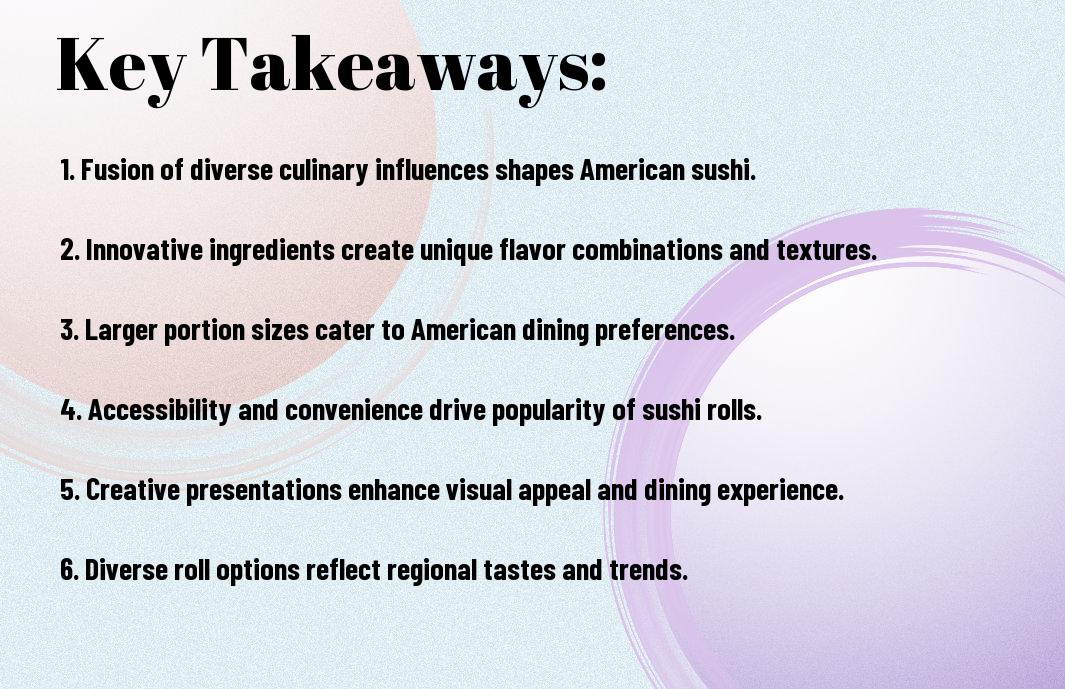
  • Innovative Ingredients: American sushi rolls often feature a diverse range of ingredients, including cream cheese, avocado, and tempura, which are less common in traditional sushi.
  • Presentation Style: The visual appeal of American sushi rolls tends to emphasize bold colors and layered designs, making them more of a culinary art form.
  • Flavor Profiles: Flavors are frequently heightened with sauces like spicy mayo and eel sauce, diverging from the subtle tastes typically found in Japanese cuisine.
  • Size and Portions: American sushi rolls are generally larger and more filling, catering to Western dining preferences that favor substantial portions.
  • Creativity and Fusion: Many American sushi varieties incorporate elements from other cuisines, leading to hybrid dishes that blend different culinary traditions.

The Evolution of Sushi in America

As sushi made its way into American culture, it underwent significant transformations that reflected local tastes and ingredients. This journey began in the early 20th century, when Japanese immigrants introduced sushi to the United States. Over time, regional preferences and the availability of ingredients shaped the unique styles you now associate with American sushi rolls.

Historical Context

Evolution of sushi in America can be traced back to the early 1900s, when Japanese immigrants began establishing sushi bars in cities like San Francisco and Los Angeles. Initially tailored to Japanese American communities, sushi gradually gained popularity, thanks to cultural exchanges and an increasing interest in Japanese cuisine during the 1960s and 70s.

Fusion Cuisine and Cultural Influences

With the rise of fusion cuisine, sushi has incorporated diverse flavors and techniques from various cultures, creating a distinct American style. You may find ingredients like cream cheese, mango, or jalapeños, which showcase this blend and resonate with your palate.

Further exploration of fusion cuisine highlights how sushi adapts to local preferences, resulting in a unique culinary experience. As chefs experiment, the traditional Japanese methods meld with influences from Mexican, Italian, and even Southern cuisine. This infusion not only caters to your evolving tastes but also invites you to embrace new flavors and textures, transforming the sushi experience beyond its roots.

Key Ingredients in American Sushi Rolls

Assuming you are familiar with sushi, you may be surprised to discover how American sushi rolls differ in their key ingredients. American sushi often incorporates ingredients that enhance flavor and texture, such as cream cheese, avocado, and various sauces. These additions create a rich, creamy, and sometimes spicy profile that can be quite different from traditional Japanese sushi, where simplicity and balance are emphasized.

Traditional vs. American Ingredients

Across cultures, the ingredients used in sushi can vary significantly. While traditional sushi primarily features fresh fish, seaweed, and vinegared rice, American sushi embraces a wider range of ingredients. You might find items like tempura vegetables, cooked seafood, and even fruits, which cater to diverse palates and dietary preferences.

Popular Additions and Innovations

After exploring the differences in traditional and American sushi, you will notice the popular additions and innovations that make American rolls unique. Sushi rolls such as the California roll include imitation crab and cucumber, while a rainbow roll showcases multiple varieties of fish. These innovations often reflect regional tastes and preferences.

To enhance the sushi experience, American chefs have creatively experimented with flavors and textures, resulting in a variety of exciting rolls. You might come across options like the spicy tuna roll, featuring spicy mayo and crunchy tempura flakes, or the dragon roll, which is often topped with eel and avocado. These innovations not only add visual appeal but also offer a delicious twist on traditional sushi, making it more accessible and enjoyable for a broader audience.

The Role of Presentation

Despite the foundational techniques of sushi-making, presentation plays a significant role in American sushi rolls. This visual aspect often influences your dining experience, making the rolls more tempting and enjoyable. The ornate displays and colorful ingredients transform sushi into a feast for the eyes. For more insights, check out The Truth About American Sushi No One Wants to Hear.

Visual Appeal in American Sushi

Against traditional sushi that focuses on simplicity and elegance, American sushi emphasizes boldness in its presentation. Bright colors and elaborate arrangements make each roll look enticing, inviting you to indulge in a culinary adventure. The use of vibrant ingredients such as avocado, mango, and sauces adds a playful touch that highlights the creativity behind American sushi rolls.

Influences from Other Culinary Styles

Along with the distinctive presentation, American sushi has been shaped by various culinary influences, reflecting the diverse food culture in the United States. Chefs incorporate elements from cuisines like Mexican, Italian, and even Southern comfort food into their sushi, leading to innovative combinations that might surprise the purists.

Understanding these influences helps you appreciate how American sushi borrows techniques and flavors from different cultures. For example, ingredients like cream cheese and spicy mayo harken back to American tastes, while jalapeños and chipotle introduce a Mexican twist. This fusion results in a unique dining experience that sets American sushi apart from its Japanese counterpart, allowing you to explore a world of flavors with every bite.

Flavor Profiles and Seasoning

Keep in mind that American sushi rolls often incorporate a wide range of flavors, setting them apart from traditional Japanese varieties. You’ll find ingredients that enhance sweetness, spice, and umami, reflecting a fusion of culinary influences. Seasonings such as spicy mayo, eel sauce, and wasabi create a unique harmony, appealing to diverse palates. This personalization allows you to enjoy a well-rounded flavor experience that is both exciting and accessible.

Sweet, Savory, and Spicy Elements

Savory aspects are often paired with sweet and spicy elements in American sushi rolls, creating a complex taste that can be surprising. Ingredients like avocado, cream cheese, and mango are frequently used, offering a sweet counterbalance to salty components such as soy sauce or the umami-rich flavors of fish. Additionally, spicy elements like sriracha can elevate the flavor profile, making each roll a delightful explosion of taste.

How American Tastes Shape Sushi Flavors

Behind the blending of tastes in American sushi rolls is a culture that embraces bold flavors. You’ll notice that traditional fillings meet richer, creamier textures due to influences from other cuisine types, like Tex-Mex or comfort foods. This integration fosters an environment where innovation thrives, leading to unexpected combinations that may not exist in classic sushi. You are encouraged to explore these evolving flavors, which make each roll a unique culinary adventure.

Understanding why American tastes shape sushi flavors requires a look into the vibrant food landscape of the United States. Your culinary preferences play a significant role in this transformation; diners often seek familiar elements from diverse cuisines. This has led to the evolution of rolls that creatively incorporate elements like barbecue sauce, fried shrimp, or even pizza toppings. By embracing what you love, American sushi chefs reinvent traditional rolls to cater to a broader audience, creating an enjoyable and often playful dining experience that resonates with many.

Regional Variations in American Sushi

Now, as you explore American sushi rolls, you’ll discover that regional variations play a significant role in defining the styles and flavors you encounter. From California to New York, local culture and preferences shape the way sushi is prepared and enjoyed. You’ll notice these differences not only in ingredients but also in presentation and creativity, making each American sushi experience uniquely tied to its geographical roots.

West Coast vs. East Coast Styles

For instance, sushi on the West Coast tends to embrace bold, innovative flavors with fresh, local seafood, while East Coast sushi often sticks closer to traditional techniques, featuring flavors that reflect the region’s seafood bounty. The distinct oceanic environments and culinary influences create unique interpretations of sushi that cater to the palates of each coast.

Influence of Local Ingredients

Ingredients play an crucial role in shaping American sushi, as regions incorporate what is locally available into their rolls. This leads to unique combinations that highlight the flavors of the area.

This incorporation of local ingredients means that you may come across rolls featuring avocados, spicy mayonnaise, or even non-traditional proteins like tempura shrimp or pork belly. Each of these components tells a story about the region’s culinary landscape, allowing you to experience a fusion of flavors that isn’t typically found in traditional Japanese sushi. The creative adaptation ensures that American sushi remains vibrant and relevant to your evolving taste preferences.

Sushi in Popular Culture

All around the globe, sushi has evolved from a traditional Japanese dish to a beloved staple in popular culture. You may find sushi appearing in movies, television shows, and even social media, celebrating its vibrant aesthetics and unique flavors. This cultural phenomenon has shaped your perception, making sushi not just a meal, but a lifestyle choice that resonates with food enthusiasts everywhere.

Media Representation

On screen, sushi plays a significant role in portraying sophistication and culinary adventure. You often see characters enjoying sushi while engaging in important conversations, transforming it into a symbol of status and socializing. This representation amplifies your interest and curiosity about this exquisite cuisine, influencing the way you view not just sushi, but dining as a whole.

The Rise of Sushi Restaurants

Around the world, sushi restaurants have seen a dramatic increase in popularity, making it easier for you to experience this delightful cuisine. From high-end sushi bars to casual conveyor belt sushi spots, the diversity in dining options caters to all tastes and budgets. This surge has transformed the culinary landscape, allowing you to explore different sushi styles and flavors, further enriching your appreciation for this multifaceted dish.

Representation of sushi restaurants in the food industry has brought diverse experiences to the forefront of dining culture. You can now enjoy everything from traditional sushi to Americanized rolls, each reflecting unique culinary traditions. With so many options available, including takeout and delivery service, sushi has become an accessible indulgence that fits seamlessly into your modern lifestyle, making it an integral part of social gatherings and celebrations.

To wrap up

Summing up, you can see that American sushi rolls stand out due to their unique blend of flavors, innovative ingredients, and creative presentations. While traditional sushi emphasizes simplicity and authenticity, American sushi caters to diverse tastes, often incorporating local influences and excess in portion sizes. This fusion caters to a broad audience, making sushi more accessible and appealing for your palate. To dive deeper into the distinctions between American and Japanese sushi, check out Sushi: Japan versus America – What’s the Difference?.

FAQ

Q: What distinguishes American sushi rolls from traditional Japanese sushi?

A: American sushi rolls often incorporate a variety of ingredients and flavors that differ from traditional Japanese sushi. While Japanese sushi primarily focuses on the freshness of fish and the simplicity of flavor, American sushi rolls (sometimes referred to as maki rolls) frequently include additional items like cream cheese, avocado, and even fried elements. These adaptations cater to a broader palate, making them more appealing to those who may be unfamiliar with traditional sushi.

Q: Why do American sushi rolls often feature cooked ingredients?

A: Many American sushi rolls highlight cooked ingredients such as shrimp tempura, crab meat, and eel. This preference may stem from a general hesitance to consume raw fish among some diners in the U.S. The inclusion of cooked ingredients not only enhances the flavors and textures but also helps to create a more familiar experience for those who may be intimidated by raw fish.

Q: Are American sushi rolls typically larger than traditional sushi pieces?

A: Yes, American sushi rolls tend to be larger and thicker compared to traditional Japanese sushi. Traditional sushi pieces, like nigiri, are usually smaller and designed to focus on one or two key ingredients. In contrast, American rolls often combine multiple fillings and are wrapped in rice and seaweed, resulting in a more substantial serving that is easier to share or eat as a full meal.

Q: What role do sauces and toppings play in American sushi rolls?

A: Sauces and toppings are central to the flavor profile of American sushi rolls. Ingredients such as spicy mayo, eel sauce, and sesame seeds are commonly drizzled on or served alongside rolls to enhance their taste. These additions are less common in traditional sushi, where the emphasis is generally on the pure flavor of the fish and rice. The use of sauces in American sushi reflects a desire for more bold and diverse flavor combinations.

Q: How do American sushi rolls cater to dietary preferences?

A: American sushi rolls often reflect a range of dietary preferences and restrictions, offering options for vegetarians, vegans, and those with gluten sensitivities. Many restaurants feature rolls filled with vegetables, tofu, and other non-seafood ingredients to accommodate diverse diets. This flexibility makes sushi more accessible and enjoyable to a wider audience, as diners can customize their rolls according to their specific dietary needs.

Canadian Sushi Specialties You Have to Try

With Canada’s diverse culinary landscape, sushi has evolved uniquely to reflect local ingredients and flavors, ensuring there are Canadian sushi specialties that you simply cannot miss. From delectable rolls featuring local seafood to innovative fusion dishes, you’ll discover a world of taste awaiting you. To dive deeper into the best spots to experience these Canadian treats, check out this guide on Itadakimasu! Eight Must-Try Sushi Restaurants Offering … that highlight the top sushi destinations across the country.

Key Takeaways:

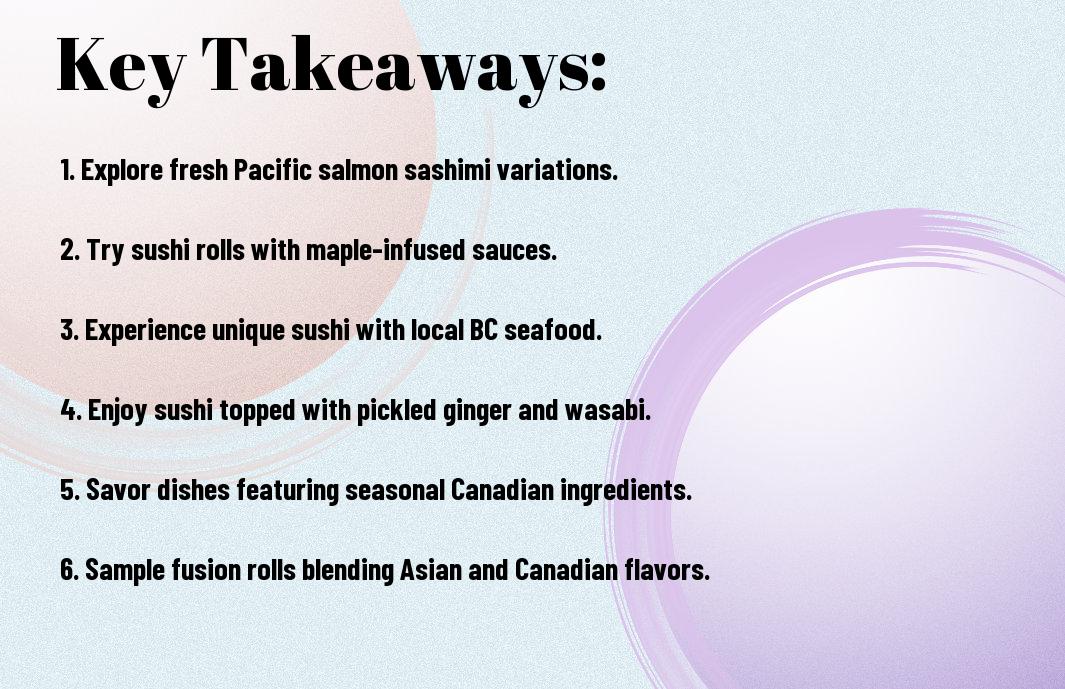
  • Unique Ingredients: Canadian sushi often features local ingredients such as alaskan salmon and East Coast lobster, giving a distinctive twist to traditional sushi.
  • Creative Rolls: Look out for fusion rolls that incorporate elements from Canadian cuisine, like the maple-glazed roll or poutine sushi.
  • Freshwater Fish: Explore sushi made with lake fish such as whitefish and trout, offering a taste of Canada’s natural resources.
  • Vegetarian Options: Canadian sushi includes delicious vegetable rolls that highlight local produce, such as corn and root vegetables.
  • Regional Variants: Different provinces boast their own style; for instance, British Columbia is known for its seafood sushi, while Quebec offers unique flavor combinations that represent their culinary tradition.

The Influence of Canadian Culture on Sushi

To fully appreciate Canadian sushi specialties, understand how Canadian culture has revamped traditional practices. From the use of local ingredients to signature presentation styles, the fusion of Eastern and Western cuisines can be quite unique. You will find sushi restaurants showcasing innovative dishes that reflect the vibrant Canadian food scene. One such example is definitely the most original sushi presentation. It is a must- experience for any foodie.

Fusion Ingredients

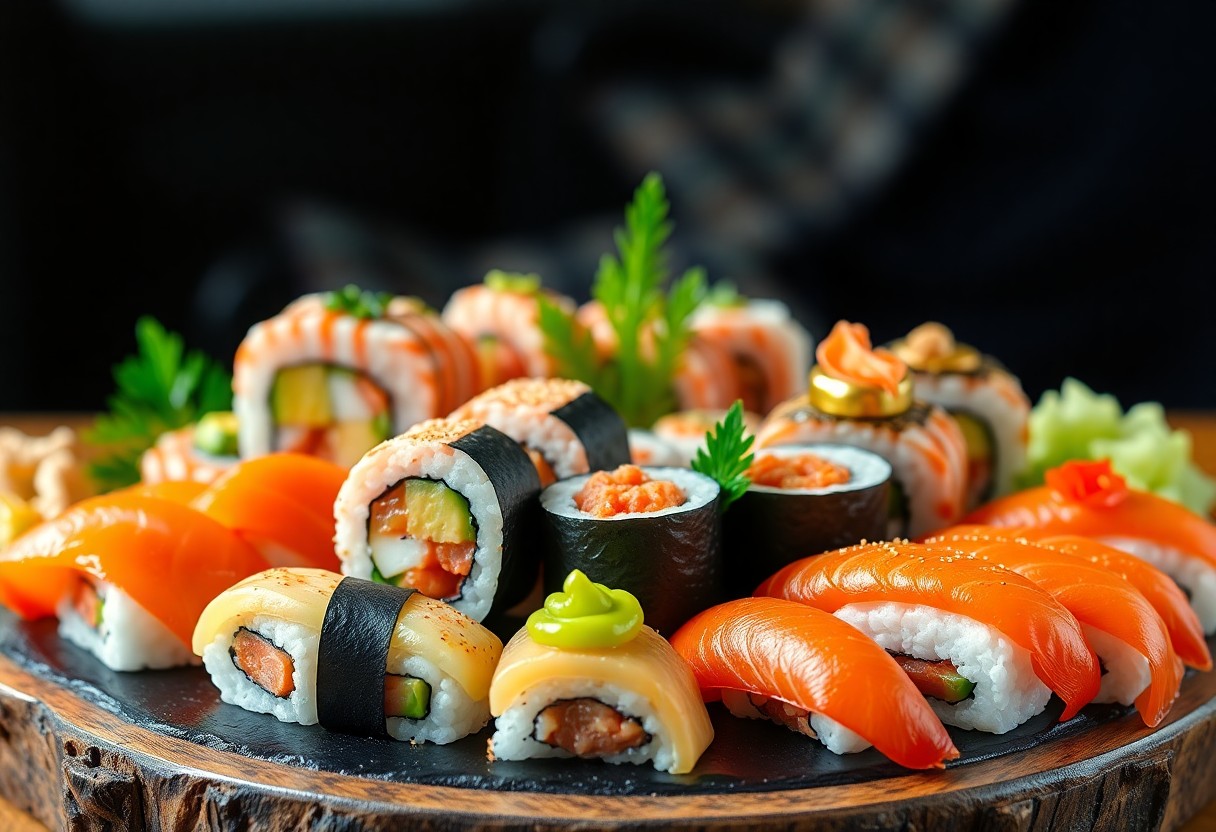
Behind the creativity of Canadian sushi lies a wealth of fusion ingredients that blend traditional Japanese elements with local flavors. You’ll discover sushi rolls featuring wild Pacific salmon, locally sourced avocados, and even unexpected spices like wasabi peas or dill, enriching the culinary experience.

Regional Variations

One of the most exciting aspects of Canadian sushi is its regional variations. You’ll find that sushi in British Columbia often highlights fresh seafood, whereas in Ontario, chefs might incorporate hearty grains or pickled vegetables, leading to diverse flavors across the country.

It’s this regional diversity that makes Canadian sushi unique. Coastal provinces prioritize fresh fish, while inland areas often adapt by including local meats or plants. Whether you’re enjoying sushi topped with sriracha in Alberta or a fresh poke bowl in British Columbia, each bite reflects the local culture, creating a distinct taste profile that showcases Canada’s culinary heritage.

Must-Try Canadian Sushi Specialties

The Canadian sushi scene is vibrant and diverse, offering unique twists on traditional dishes influenced by the country’s rich culinary heritage. You owe it to yourself to explore these innovative specialties that highlight local ingredients and flavors. From the coasts of British Columbia to the bustling streets of Toronto, each bite tells a story of Canadian culture and creativity. Make sure to sample these must-try sushi specialties during your next culinary adventure.

BC Roll

Across the Pacific Northwest, the BC Roll has gained popularity as a flavorful representation of British Columbia’s seafood bounty. This delectable sushi creation typically features tender barbecued salmon, avocado, and a hint of cucumber, all wrapped in sushi rice and nori. Whether you’re enjoying it at a local sushi bar or making it at home, the BC Roll offers a taste of Canada’s coastal richness.

Toronto Dynamite Roll

The Toronto Dynamite Roll is another exciting Canadian specialty you shouldn’t miss. Known for its explosive flavors, this roll usually contains tempura shrimp or crab with a spicy mayo sauce, all wrapped in sushi rice and nori, making it a favorite among sushi enthusiasts.

Indeed, the Toronto Dynamite Roll stands out with its perfect balance of textures and flavors. The crispy tempura combined with the rich, spicy sauce creates an unforgettable experience that will leave your taste buds tingling. When you’re in Toronto, make sure to seek this roll out at local sushi joints, and indulge in a culinary delight that beautifully represents the city’s vibrant dining scene.

Atlantic Salmon Nigiri

Sushi lovers will adore Atlantic Salmon Nigiri for its simplicity and exquisite flavor. This classic dish features fresh, thinly sliced Atlantic salmon draped over a small ball of vinegared rice, typically garnished with a hint of wasabi. It’s a pure expression of the fish’s richness, making it a staple for sushi enthusiasts.

But the beauty of Atlantic Salmon Nigiri lies in its quality. Sourced from the cold waters of the Atlantic, the salmon is prized for its buttery texture and subtle taste. When you savor this nigiri, you’ll appreciate the fresh, clean flavors that highlight the expertise of sushi chefs in crafting such an elegant dish. It’s an important item for any sushi aficionado’s culinary journey through Canada.

Unique Sushi Experiences Across Canada

Not all sushi experiences in Canada are created equal. From the stunning oceanfront sushi spots in British Columbia to vibrant urban sushi bars in Toronto, you’ll find a variety of unique offerings to tantalize your taste buds. Each region has its own twist on traditional sushi, showcasing local ingredients and flavors that reflect the culture and culinary diversity of Canada.

Sushi Festivals

By attending sushi festivals across Canada, you can immerse yourself in the rich world of sushi and its endless variations. These events often feature local chefs, tastings, and workshops where you can learn about the artistry behind sushi-making. You’ll not only indulge your palate but also gain a deeper appreciation for this culinary delight as you connect with fellow sushi enthusiasts.

Food Trucks and Pop-Ups

Any sushi lover will find excitement in exploring the growing trend of food trucks and pop-up restaurants that specialize in sushi. These mobile eateries often serve up innovative rolls and unique flavor combinations that you won’t find in traditional sushi spots. They bring fresh ingredients and creative concepts right to your neighborhood, ensuring that the sushi experience is both accessible and delicious.

Further, food trucks and pop-ups have revolutionized how you can enjoy sushi on-the-go. You can find these culinary gems in bustling city centers, at local festivals, or even at the beach, offering fresh, hand-crafted rolls that reflect local tastes. This trend allows you to experience sushi in a casual, fun setting, making it a perfect option for a quick lunch or a laid-back dinner with friends.

Vegetarian and Vegan Canadian Sushi Options

Despite the perception that sushi is primarily seafood-based, Canada offers a delightful range of vegetarian and vegan options that cater to plant-based diets. From avocado rolls to creative combinations of fresh vegetables and grains, you can find unique interpretations that highlight the region’s bountiful produce. These options provide not just a satisfying meal but an opportunity to explore the diverse flavors that Canadian sushi has to offer.

Plant-Based Innovations

To embrace the growing demand for vegetarian and vegan cuisine, many sushi chefs in Canada are innovating with plant-based ingredients. You might encounter sushi rolls featuring marinated tofu, roasted sweet potatoes, or seasonal vegetables, often enhanced with vibrant sauces and toppings. These dishes not only stand out for their taste but also reflect Canada’s commitment to sustainability and health-conscious eating.

Eco-Friendly Practices

Vegan sushi, in many establishments, is made using eco-friendly practices that prioritize sustainability. Businesses often source local produce and are committed to minimizing their environmental impact. You can find establishments that use sustainable farming methods, ensuring the ingredients are both seasonal and ethical.

Options such as using organic vegetables, avoiding single-use plastics, and engaging in community-supported agriculture initiatives further enhance your plant-based dining experience. By choosing vegan sushi, you support restaurants that care about environmental stewardship while enjoying delicious, innovative meals tailored for your dietary preferences.

Pairing Canadian Beverages with Sushi

All sushi lovers know that a good pairing enhances the dining experience. When enjoying Canadian sushi specialties, don’t overlook the local beverages that can elevate the flavors on your plate. Whether you prefer the warmth of sake, the crispness of craft beer, or the sweetness of ice wine, there are perfect matches that will complement your meal beautifully.

Local Sakes

On your journey through Canadian sushi, consider exploring local sakes crafted with regional ingredients. Many Canadian sake breweries use pristine water and high-quality rice, resulting in unique flavors that pair wonderfully with sushi’s fresh fish and bright accompaniments. These local sakes often have a subtle sweetness and aroma that enhance the overall tasting experience.

Craft Beer Recommendations

Against the backdrop of sushi, craft beers from Canadian breweries offer refreshing choices. The burst of citrus from a pale ale or the crisp finish of a lager can cut through the richness of nigiri and maki perfectly.

With the burgeoning craft beer scene in Canada, you have a wealth of options to explore. Opt for a gose with its hint of saltiness to complement your sushi, or try an IPA if you’re enjoying spicy rolls. The mild flavors of wheat ales also harmonize with lighter fish. Experimenting with different styles will help you find the ideal match for your favorite sushi selections, adding a fun twist to your culinary adventure.

Tips for Enjoying Sushi in Canada

Many sushi enthusiasts find Canada’s culinary scene offers unique twists on traditional sushi. Here are some tips to enhance your experience:

  • Try local specialties like BC roll or salmon sashimi.
  • Pair your sushi with local craft beers or sake.
  • Visit all-you-can-eat sushi restaurants for a diverse sampling.
  • Respect the chef’s recommendations and specials of the day.

Knowing these tips will help you navigate the sushi experience in Canada effectively.

Best Practices for Dining

Behind every great sushi meal is a respect for its craftsmanship. When dining, take your time to savor each piece and enjoy the intricate flavors. It’s best to eat sushi in one bite to appreciate the combination of ingredients and presentation fully.

Etiquette and Customs

Tips for enjoying sushi in Canada extend beyond just flavor; etiquette and customs play a significant role. It’s advisable to refrain from soy sauce overuse and avoid mixing wasabi into your soy sauce, as this may offend the chef.

In fact, many sushi chefs prefer that you dip the sushi directly into the soy sauce, so the balance is maintained. Additionally, using your hands for nigiri is acceptable in many places, especially in casual settings. Being mindful of these customs can enrich your dining experience and show respect for the traditions behind sushi-making.

Final Words

To wrap up, exploring Canadian sushi specialties offers a delightful journey that enriches your culinary experience. Whether you savor the taste of sushi burritos or indulge in contemporary rolls, each dish reflects the creative spirit of the region. Don’t miss out on discovering what makes Canadian sushi unique by checking out The Best Sushi in Vancouver: Top 13 Sushi Spots for 2024 for a guide to the top local spots that you should definitely try.

FAQ: Canadian Sushi Specialties You Have to Try

Q: What are some Canadian sushi specialties that are unique to the region?

A: Canadian sushi specialties often include ingredients and flavors that are influenced by local cuisine. Some unique specialties you might encounter are the B.C. Roll, which features fresh British Columbia salmon and avocado; the Maple Leaf Roll, incorporating smoked salmon and maple syrup-infused sauces; and the Ontario Roll, often made with Ontario-grown ingredients and sometimes featuring local cheeses.

Q: How does Canadian sushi differ from traditional Japanese sushi?

A: Canadian sushi frequently reflects regional ingredients and local tastes, leading to variations in flavors and presentations. While traditional Japanese sushi emphasizes simplicity and seasonality, Canadian styles might incorporate a wider variety of toppings, unique sauces, and even cooked ingredients, resulting in a richer and occasionally heartier experience.

Q: Where can I find authentic Canadian sushi specialties?

A: To find authentic Canadian sushi specialties, consider visiting local sushi restaurants that focus on regional ingredients or are known for innovative dishes. Urban centers like Vancouver and Toronto have a vibrant sushi scene with restaurants that excel in distinctive offerings. Checking online reviews and local food blogs can also guide you to hidden gems.

Q: Are there vegetarian or vegan Canadian sushi options available?

A: Yes, many sushi restaurants in Canada are accommodating when it comes to vegetarian and vegan diets. You can find Canadian iterations of sushi that utilize fresh vegetables, avocado, and even plant-based proteins like tofu. Some restaurants creatively incorporate local produce and grains, making the offerings both unique and nutritious.

Q: What types of fish are commonly used in Canadian sushi specialties?

A: Canadian sushi often utilizes a variety of fresh seafood, including salmon, halibut, and tuna. Given Canada’s vast coastline, the availability of fresh fish allows for creative rolls and sashimi that showcase these local catches. Sustainability is also a priority for many establishments, so inquire about the sourcing of seafood for an eco-friendly dining experience.

Sushi Fusion in Southeast Asia – Bold New Flavors

It’s exciting to explore how sushi fusion in Southeast Asia brings together the best of traditional Japanese cuisine and the dynamic flavors of the region. As you launch on this culinary journey, you’ll uncover innovative combinations that showcase local ingredients and unique cooking techniques. By integrating spices, herbs, and other elements from Southeast Asian culinary traditions, chefs are crafting dishes that tantalize the palate. For more insights, check out this article on Southeast Asian Cuisine – Culinary Trends.

Key Takeaways:

  • Innovative Combinations: Sushi fusion in Southeast Asia blends traditional techniques with regional ingredients, resulting in unique flavor profiles.
  • Local Ingredients: Chefs incorporate local produce and seafood, enhancing authenticity while appealing to the local palate.
  • Cultural Influence: The fusion reflects the diverse cultures of Southeast Asia, featuring Asian, Spanish, and even Latin American influences.
  • Artistic Presentation: Sushi fusion dishes are often visually striking, showcasing the culinary craftsmanship that excites diners.
  • Growing Popularity: The demand for sushi fusion is on the rise, attracting food enthusiasts and offering new dining experiences across the region.

The Evolution of Sushi in Southeast Asia

Your journey into the world of sushi fusion in Southeast Asia reveals a fascinating evolution of this traditional dish. Originally a Japanese creation, sushi has undergone a remarkable transformation as it encounters the rich and diverse culinary landscapes of Southeast Asia. The melding of local flavors and ingredients has redefined sushi, making it a vibrant part of the region’s food culture.

Historical Influences

Beside the influences from Japanese cuisine, regional history plays a significant role in shaping sushi’s presence in Southeast Asia. Trade routes brought various techniques and flavors, allowing local chefs to explore and innovate. Over time, this interplay of cultures fostered a unique sushi identity reflective of the area’s history and culinary traditions.

Adaptation to Local Tastes

Between the traditional Japanese methods and the rich culinary practices of Southeast Asia, sushi has adapted to local preferences beautifully. Each country has embraced sushi, infusing it with flavors and ingredients that resonate with their own culinary identities.

Understanding the nuances of this adaptation reveals how sushi has evolved to cater to local palates while still honoring its roots. For example, in Thailand, you might find spicy chili sauces paired with sushi rolls, while in Vietnam, fresh herbs and citrus elements are often incorporated. These alterations not only make sushi more accessible but also highlight the culinary creativity that defines Southeast Asia’s dining landscape.

Key Ingredients in Sushi Fusion

Even as you explore sushi fusion, you’ll find that innovative chefs are blending traditional Japanese elements with local flavors to create unforgettable dishes. Ingredients like rice, nori, and fresh fish remain fundamental, but they’re often accompanied by an array of unique ingredients sourced from the vibrant food cultures in Southeast Asia. This melding of culinary traditions invites you to expand your palate and experience sushi in exciting new ways.

Local Seafood Varieties

Between the rich coastal waters of Southeast Asia and their diverse marine life, the local seafood varieties bring a fresh and distinctive profile to sushi fusion. You might encounter ingredients such as mackerel, barramundi, and squid, often prepared in ways that highlight their natural flavors, providing a unique twist to traditional sushi rolls.

Unique Seasonings and Sauces

One way to elevate your sushi experience is through the use of unique seasonings and sauces that reflect local culinary traditions. These additions not only enhance flavor but also bring a touch of creativity to each dish.

With a myriad of spices, herbs, and sauces at your disposal, the possibilities for sushi fusion are endless. You may discover zesty sambal, aromatic lemongrass, or rich coconut-based sauces that complement the fresh seafood perfectly. This creative layering of flavors not only captures the essence of Southeast Asia but also ensures that every bite delivers a remarkable experience, inviting your taste buds to launch on a culinary adventure.

Popular Sushi Fusion Dishes

Not all sushi is created equal, especially in fusion cuisine. You may discover an exciting variety of sushi dishes that blend traditional Japanese techniques with vibrant local ingredients from Southeast Asia. Whether it’s a spicy tuna roll with Thai chili paste or a sushi burrito filled with fresh mango and Vietnamese herbs, there’s something to satisfy your adventurous palate.

Regional Specialties

Specialties from different regions of Southeast Asia introduce unique flavors to sushi. For instance, in Thailand, you might find sushi rolls infused with tangy tamarind and fragrant lemongrass, while Malaysia offers sushi pieces wrapped in aromatic pandan leaves. These regional influences create a delightful culinary experience, merging the best of both worlds on your plate.

Innovative Combinations

Below the surface of traditional sushi lies an ocean of innovative combinations waiting for you to explore. Chefs are experimenting with ingredients from various culinary traditions, pushing the boundaries of sushi-making. From crispy tempura sushi topped with zesty salsa to sushi tacos filled with grilled seafood and fresh herbs, these dishes offer a creative twist that tantalizes your taste buds.

In addition to their unique flavors, innovative combinations often feature unexpected textures that play a role in your overall dining experience. You’ll discover crispy outer layers that contrast beautifully with the softness of the sushi rice or creamy sauces that enhance the fresh ingredients. As these fusion dishes continue to evolve, you have the opportunity to begin on a culinary journey that celebrates both gastronomy and creativity, inviting you to savor every bite in a whole new light.

The Role of Culinary Artists

For sushi fusion to thrive in Southeast Asia, culinary artists play an integral role in bridging traditional techniques with innovative flavors. You’ll find these passionate chefs challenging culinary norms, experimenting with local ingredients while respecting the essence of sushi. Their creativity leads to a vibrant dining experience, where each dish tells a story of cultural exchange and gastronomic evolution.

Chefs Leading the Charge

Around the region, chefs are emerging as pioneers in sushi fusion, elevating this cuisine to new heights. Their dedication to integrating flavors and textures from diverse Southeast Asian cuisines allows you to explore unique taste profiles that push the boundaries of traditional sushi, creating a dining experience that’s both familiar and entirely new.

Collaborative Efforts in Creation

To further elevate sushi fusion, collaboration among culinary artists is becoming increasingly common. You’ll notice that chefs often engage with local farmers, fishermen, and artisans to curate the freshest ingredients, blending their expertise to craft exceptional dishes that highlight the region’s rich culinary diversity.

It is through these collaborative efforts that sushi fusion becomes an exciting culinary movement. You may find chefs collaborating on pop-up events, workshops, and tasting menus, pooling their knowledge and skills to bring innovative dishes to your table. These partnerships often result in limited-edition offerings that showcase a harmonious blend of flavors, giving you a unique opportunity to experience the best of both worlds—traditional sushi and the bold, vibrant tastes of Southeast Asia.

Consumer Trends and Preferences

To understand the shifting landscape of sushi fusion in Southeast Asia, you must consider emerging consumer trends and preferences. Diners increasingly seek bold flavors and unique culinary experiences that challenge traditional notions of sushi. As highlighted in The Art of Fusion: How Asian Flavors are Transforming …, the craving for innovative dishes that combine local ingredients with classic sushi elements is reshaping menus and enticing adventurous eaters.

Affirming Health and Wellness

Against the backdrop of increasing health consciousness, you may find sushi fusion appealing for its blend of nutritious ingredients and exciting flavors. Many sushi chefs are incorporating superfoods and organic produce, making this culinary trend not only delicious but also beneficial for your well-being.

The Rise of Food Tourism

Wellness-focused travel has led to the rise of food tourism, where you seek authentic culinary experiences that celebrate local fusion cuisine. This trend encourages you to explore the intersection of traditional practices and modern flavors, allowing you to indulge your palate while discovering new cultures.

Even as you initiate on food tourism adventures, you will notice that sushi fusion plays a significant role in attracting curious food lovers. Gourmet food tours and workshops dedicated to sushi-making are popping up across Southeast Asia, enhancing your connection with diverse culinary traditions while satisfying your taste for the extraordinary.

The Future of Sushi Fusion

After exploring the vibrant landscape of sushi fusion in Southeast Asia, it’s clear that this culinary trend is poised for dynamic growth. As chefs continue to experiment with diverse ingredients and techniques, you can expect to see an even wider array of innovative dishes that push the boundaries of traditional sushi while celebrating regional flavors and cultures.

Anticipated Trends

An exciting trend to watch is the incorporation of local ingredients into sushi dishes, allowing for a unique fusion that showcases regional biodiversity. You may also see sushi menus featuring more plant-based options, catering to the growing interest in sustainable and healthy eating. Moreover, the influence of global cuisines will likely create even bolder flavor combinations, resulting in unforgettable dining experiences.

Challenges and Opportunities

For sushi restaurants venturing into fusion cuisine, navigating the balance between authenticity and innovation can be a challenge. However, opportunities abound for those willing to embrace creativity and cater to evolving consumer preferences.

In addition to balancing traditional aspects with inventive culinary approaches, you should also consider the significance of sourcing high-quality ingredients that resonate with your target audience. Staying attuned to dietary trends, such as the rise of plant-based diets and gluten-free options, can provide a competitive edge. Furthermore, keeping an eye on customer feedback will help you refine your offerings, ensuring that you not only attract diners but also create lasting impressions that keep them coming back for your unique sushi fusion experiences.

Final Words

Considering all points, you can see that sushi fusion in Southeast Asia is an exciting culinary adventure that combines traditional Japanese techniques with local flavors and ingredients. This innovative approach not only enhances your dining experience but also highlights the region’s rich food culture. As you explore the vibrant sushi fusion dishes, you’ll discover bold new flavors that challenge your palate and broaden your culinary horizons. Embrace this trend and allow your taste buds to experience the delightful possibilities that sushi fusion has to offer.

FAQ

Q: What is Sushi Fusion and how does it differ from traditional sushi?

A: Sushi Fusion combines traditional Japanese sushi techniques and ingredients with flavors and culinary practices from other cultures, particularly those found in Southeast Asia. This results in unique creations such as sushi rolls infused with tropical fruits, spicy sauces, or local herbs. Unlike traditional sushi, which focuses on simplicity and fresh fish, Sushi Fusion explores bold flavors and innovative pairings, reflecting the diverse culinary landscape of the region.

Q: What are some popular ingredients used in Sushi Fusion in Southeast Asia?

A: Popular ingredients include local fruits like mango and avocado, spices such as lemongrass and chili, and sauces inspired by Southeast Asian cuisine—like sweet chili sauce, peanut sauce, or curry-infused mayo. Other elements like tempura vegetables and seafood caught in local waters may also be incorporated, creating a distinctive taste that celebrates both sushi and the rich flavors of Southeast Asian cuisine.

Q: Are there specific regions in Southeast Asia that are particularly known for their Sushi Fusion?

A: Yes, countries like Thailand, Malaysia, and Singapore have embraced Sushi Fusion, with chefs experimenting in vibrant urban culinary scenes. In these regions, you can find innovative sushi bars that combine local flavors, resulting in dishes that reflect the multicultural palette—such as sushi topped with spicy tuna tartare and a drizzle of lime-infused ponzu sauce, or rice rolls filled with grilled satay chicken.

Q: How has Sushi Fusion influenced the dining experience in Southeast Asia?

A: Sushi Fusion has transformed the dining experience by encouraging creativity and versatility in menus. Diners are now exposed to a wider array of flavors, textures, and presentations compared to traditional sushi establishments. This culinary trend not only attracts sushi lovers but also appeals to those interested in diverse tastes, leading to a more exciting and dynamic dining culture where fusion concepts are regularly celebrated.

Q: Can anyone create Sushi Fusion at home, and what are some tips for beginners?

A: Absolutely! Anyone can try their hand at creating Sushi Fusion at home. Beginners should start with basic sushi rice preparation and then experiment with various fillings and toppings that reflect their taste preferences. Key tips include using fresh, quality ingredients, making flavorful sauces to enhance the dishes, and being open to mixing flavors that pair well together. Kits or pre-made sushi rolling mats can also help ease the learning process, allowing for more creativity and fun in the kitchen.

The World’s Most Expensive Sushi Platter

Many sushi enthusiasts dream of indulging in lavish culinary experiences, but few can fathom the price tag of the world’s most expensive sushi platter. This extravagant dish boasts luxurious ingredients that create a unique gastronomic experience that is hard to replicate. If you’re curious about how a Japanese restaurant serves the world’s most expensive sushi, you can learn more about it by checking out this link. Discover the opulence that awaits you in this spectacular showcase of sushi artistry.

Key Takeaways:

  • Price: The platter is notoriously priced at around $2,000, making it one of the most extravagant sushi experiences in the world.
  • Ingredients: It features high-quality, exotic ingredients such as rare fish, including bluefin tuna, and delicacies like artisanal wasabi.
  • Presentation: Each piece is meticulously crafted and presented, highlighting the artistry and skill of the sushi chef.
  • Experience: Diners are not just enjoying a meal, but an exclusive culinary journey that emphasizes the culture and tradition behind sushi-making.
  • Location: This luxurious platter is typically available at high-end sushi restaurants, often in locations like Tokyo or Dubai.

The Art of Sushi Making

For a sushi platter to truly shine, you must appreciate the intricate art of sushi making. This craft goes beyond just combining ingredients; it involves a deep understanding of flavors, textures, and techniques. Mastering the balance of rice and fish is crucial, and the aesthetics of presentation can elevate your dining experience to new heights. By immersing yourself in the artistry of sushi, you’ll learn to not only create unforgettable meals but also develop a deeper respect for this traditional Japanese cuisine.

Traditional Techniques

For centuries, sushi making has relied on traditional techniques passed down through generations. From selecting the finest fish to perfecting the seasoned rice, these methods emphasize precision and attention to detail. Utilizing sharp knives for slicing and mastering the art of rolling helps you create sushi that is flavorful and visually striking. Embracing these practices enables you to connect with the rich heritage of sushi and uphold its authenticity.

Modern Innovations

On the other hand, modern innovations in sushi making introduce exciting elements that enhance your culinary experience. Chefs are experimenting with new ingredients, fusions of flavors, and updated presentation styles that push the boundaries of traditional sushi. This evolution invites you to explore creative combinations and unique textures that cater to contemporary palates, making sushi more accessible and vibrant.

Innovations in sushi making often incorporate global influences while maintaining a connection to traditional roots. Chefs may add unexpected ingredients like truffles, fruit purees, or even molecular gastronomy techniques to elevate a sushi dish. These advancements not only challenge your perceptions of what sushi can be but also encourage you to think outside the box when crafting your own sushi platter. By embracing these modern twists, you can create a unique dining experience that reflects your personal tastes.

The Ingredients that Justify the Price

The world’s most expensive sushi platter boasts an exquisite selection of ingredients that elevate its status to unparalleled heights. Each component is meticulously sourced to highlight rarity and quality, culminating in a dining experience that justifies the price tag. From unique fish varieties to premium condiments, every aspect of this dish is designed to create a memorable culinary journey that showcases the art of sushi craftsmanship.

Rare Fish Varieties

One of the standout features of the platter is the use of rare fish varieties that are hard to come by. For instance, bluefin tuna, known for its rich flavor and buttery texture, can fetch astronomical prices on the market. You’ll also find the exquisite Yamakawa yellowtail, revered for its delicate balance of sweetness and umami, adding an exclusive edge that few can replicate.

Premium Condiments and Accompaniments

Among the finishing touches that elevate this dish are premium condiments and accompaniments. From artisanal soy sauce with a complex flavor profile to hand-grated wasabi harvested from specific regions, these extras dramatically enhance your tasting experience. Accompaniments like luxury garnishes and unique dipping sauces crafted from rare ingredients further showcase the attention to detail and quality inherent in this exquisite platter.

Premium condiments and accompaniments signify the extra effort put into ensuring that every bite is extraordinary. You might encounter truffle-infused soy reduction or microgreens handpicked for their flavor and visual appeal. Each element is purposefully chosen to complement the rare fish varieties, creating a harmonious blend of flavors that tantalizes your palate. This meticulous attention to detail is why these ingredients justify the staggering price of the sushi platter, driving home the artistry behind sushi-making.

Notable Sushi Chefs and Their Creations

Many sushi chefs have gained global recognition for their extraordinary skills and innovative creations. These culinary artists elevate sushi to an art form, showcasing their mastery through unique flavor pairings and presentation techniques. As you explore their work, you’ll discover how each chef interprets traditional sushi-making, often blending it with modern influences to craft unforgettable dining experiences. Their commitment to quality ingredients and aesthetic presentation sets the stage for the world’s most exquisite sushi platters.

Profiles of Renowned Sushi Chefs

Any sushi enthusiast will appreciate the incredible talent behind the world’s finest sushi chefs. Chefs like Jiro Ono, known for his meticulous attention to detail, and Nobu Matsuhisa, famed for fusing Japanese and Peruvian influences, exemplify the dedication required to craft exceptional sushi. Their personal stories and culinary journeys not only highlight their impressive skills but also inspire you to further explore the world of sushi.

Signature Dishes

Sushi chefs often have signature dishes that showcase their individual style and culinary philosophies. From Jiro Ono’s elegantly prepared omakase to Nobu’s miso black cod sushi, these dishes are emblematic of their creators’ expertise and vision. Having a taste of these masterpieces offers you a glimpse into the world of high-end sushi, where each bite tells a story of passion and craftsmanship.

Even within signature dishes, you will find variations that reflect seasonal ingredients and chefs’ personal preferences. These carefully crafted creations often include unique components like truffles, gold leaf, or rare fish varieties, fostering a sense of exclusivity. By trying these dishes, you immerse yourself in an experience that transcends mere dining, allowing you to appreciate the artistry that goes into each exquisite bite of sushi.

The Experience of Dining on an Expensive Sushi Platter

After savoring each delicately crafted piece of the world’s most expensive sushi platter, you quickly realize that this dining experience transcends the mere act of eating. It’s a culinary journey that engages all your senses, where every bite tells a story of tradition, craftsmanship, and luxury. You find yourself enveloped in an ambiance that celebrates the art of sushi, highlighting the careful preparation and premium ingredients that make each piece a masterpiece. It’s an occasion that elevates your dining expectations and leaves an indelible mark on your palate.

Ambiance and Service

Between the dimly lit setting and the serene artistry of the dishes, the ambiance enhances your experience. You are greeted by attentive staff who are knowledgeable about each ingredient, ensuring you feel welcomed and cared for throughout your meal. The meticulous attention to detail in presentation and service mirrors the intricacies of the sushi itself, creating a harmonious balance that draws you deeper into the experience.

Pairing with Fine Beverages

Platter experiences elevate further when you pair your exquisite sushi with fine beverages that complement each flavor profile. The right drink can highlight the subtle nuances of the fish while enhancing the overall enjoyment of your meal. It’s all about selecting beverages that harmonize with your sushi, creating a divine culinary pairing.

For instance, you might choose to sip on a high-quality sake, which can elevate the umami flavors of the fish, or perhaps a carefully selected sake cocktail that adds a unique twist. A cold glass of premium champagne can also work beautifully, cleansing your palate between each bite and enhancing the experience with its effervescence. The perfect beverage pairing not only enhances your sushi but also adds layers to your dining adventure, making it a celebration of taste and sophistication.

Sushi Platter Competitions and Record Holders

Your fascination with sushi can be deepened by exploring the competitive world of sushi platter creations. Sushi chefs showcase their skills and creativity, often leading to extravagant and visually stunning displays that push culinary boundaries. Competitions for the most expensive sushi platter not only highlight the chefs’ artistry but also the high-end ingredients sourced from around the globe. These events bring together the finest techniques and innovative presentations, enticing both sushi lovers and food enthusiasts alike.

Most Expensive Sushi Platter to Date

About the most expensive sushi platter to date, it features an extravagant combination of rare ingredients. This platter has been crafted with exceptional precision and creativity, showcasing a variety of luxurious fish such as Otoro, uni, and even the elusive bluefin tuna. Its premium components elevate the price beyond what most are accustomed to, making it a fascinating centerpiece in the culinary world.

Guinness World Records and Sushi

Above the world of sushi lies records, with various entries related to this beloved cuisine. Sushi has captured attention not only for its taste but also for the astonishing feats achieved by chefs and enthusiasts globally. From the largest sushi roll to the most intricate sushi art, these records highlight the versatility and appeal of sushi as both a food and a form of culinary expression.

Platter records often focus on the size, cost, or uniqueness of the sushi, leading to incredible achievements worth noting. Some chefs dedicate months to perfect their creations, each detail meticulously planned to impress not just the taste buds but also the eyes. Whether you wish to learn about the artistry of sushi-making or simply indulge in the finest offerings, Guinness World Records provides a captivating glimpse into extraordinary sushi showcases across the globe.

Cultural Significance of Luxury Sushi

Keep in mind that luxury sushi transcends mere food; it embodies artistry and tradition. In Japan, serving high-end sushi signifies respect for the diner’s palate and showcases the chef’s skill. This exquisite cuisine often represents honor and status, making it a staple in celebratory gatherings and significant events. Engaging with this culinary masterpiece allows you to appreciate the intricate connections between food, culture, and community.

Sushi in Japanese Culinary Heritage

Sushi, a fundamental aspect of Japanese culinary heritage, has evolved over centuries, rooted in cultural practices and rituals. Initially served as a method of preserving fish, it gradually transformed into a celebrated dining experience. The balance of flavors, emphasis on fresh ingredients, and meticulous presentation reflect the deep respect Japanese culture places on nature and craftsmanship. When enjoying sushi, you partake in a tradition that honors the past while delighting in the present.

Global Influence and Trends

Culinary trends have embraced sushi on a global scale, with influences emerging from diverse cultures. Sushi bars and restaurants have sprouted worldwide, adapting traditional recipes to create unique fusion dishes. The growing appreciation for sustainability and ethically sourced ingredients has also led to innovations, ensuring that your sushi experience is not only delightful but also responsible. This blend of cultures encourages you to explore new flavors while fostering worldwide connections in the culinary realm.

But this global influence also brings a responsibility to preserve the integrity of sushi. As chefs around the world experiment with bold reinventions, it becomes imperative to maintain a reverence for the traditional techniques and ingredients that honor its origins. You can appreciate these innovative adaptations while still valuing the craftsmanship that makes sushi a beloved dish across cultures. Engaging with both the classic and modern takes on sushi enhances your overall dining experience, expanding your palate and deepening your understanding of its cultural significance.

Conclusion

Drawing together the intriguing world of high-end sushi, you now have insight into what makes the world’s most expensive sushi platter truly extraordinary. From rare ingredients to masterful preparation, this culinary experience is unmatched. As you explore your options, be sure to check out Where to Find the Most Expensive Sushi in the World for a taste of luxury that promises to elevate your dining experiences to new heights.

FAQ

Q: What makes the World’s Most Expensive Sushi Platter so costly?

A: The World’s Most Expensive Sushi Platter is characterized by its use of rare and high-quality ingredients. It often includes premium fish such as Bluefin tuna, and exotic items like gold flakes, and specially sourced seafood from remote regions. The meticulous preparation and presentation by highly skilled chefs also contribute significantly to its price.

Q: Where can one find this extravagant sushi platter?

A: This sushi platter is typically offered at high-end sushi restaurants, predominantly in major cities known for their culinary scene, such as Tokyo, New York, and London. Some renowned establishments may have a limited availability of the platter, so reservations or inquiries ahead of time are recommended.

Q: How much does the World’s Most Expensive Sushi Platter cost?

A: The cost of the World’s Most Expensive Sushi Platter can vary widely depending on the restaurant and specific ingredients used. Prices can go upwards of several thousand dollars, with some reports placing it at around $2,000 to over $5,000 for a single serving. Such a price reflects the exclusivity and luxury associated with the dish.

Q: Is the experience of eating this sushi platter worth the high price tag?

A: Many critics and food enthusiasts feel that the experience goes beyond just the food itself. Diners are often treated to an exquisite tasting journey, featuring unique flavors and textures. The ambiance, chef’s expertise, and attention to detail in presentation also play a significant role in creating a memorable culinary experience, often perceived as worth the splurge.

Q: Can the World’s Most Expensive Sushi Platter be customized according to dietary preferences?

A: Some high-end sushi restaurants may offer customization options for their sushi platter, accommodating dietary needs such as vegetarian or gluten-free ingredients. However, due to the premium quality and specific sourcing of the ingredients, modifications may be limited. It is advisable to discuss preferences with the restaurant in advance to understand what can be adjusted.

Sushi in Space – What Astronauts Are Eating

There’s a fascinating world of culinary innovation happening aboard the International Space Station, where astronauts are served sushi and other gourmet meals that defy the constraints of gravity. As you investigate space food, you’ll discover how astronauts enjoy carefully prepared dishes ranging from traditional sushi rolls to rehydrated delicacies, all designed to meet their nutritional needs in a zero-gravity environment. You might be surprised to learn how these meals are crafted and how they adapt classic flavors to ensure that your favorite dishes can be enjoyed even in space.

Key Takeaways:

  • Innovative Cuisine: Astronauts are experiencing new culinary trends, including sushi, which enhances their dining experience in space.
  • Special Packaging: Foods like sushi are specially prepared and packaged to prevent spoilage and to ensure they can be consumed in microgravity.
  • Nutrition Focus: Nutritional balance is key; sushi provides protein and vital nutrients, catering to the dietary needs of astronauts.
  • International Influence: The inclusion of sushi reflects the diverse cultural backgrounds of astronauts and their love for international cuisine.
  • Psychological Benefits: Enjoying familiar comfort foods like sushi can improve morale and mental well-being during long missions in space.

The Evolution of Space Food

Before the era of astronauts enjoying sushi in space, the journey of space food began with basic rations designed for practicality. Early space missions featured pre-packaged meals with limited flavors and textures, as ensuring nutritional value and safety were the primary focuses. Over time, as technology advanced, the landscape of space dining transformed dramatically, allowing for a wider variety of foods and enhancing the overall eating experience for astronauts in orbit.

Historical Overview

Beside the advancements in technology, the historical context of space food reveals a fascinating evolution. In the 1960s, early astronauts consumed items such as freeze-dried fruits and pureed meals in aluminum tubes, which offered little in terms of culinary enjoyment. As space exploration continued, NASA and other space agencies recognized the importance of taste and variety, leading to improvements in food packaging and preparation methods.

Advances in Food Technology

Between those early days and the present, food technology has evolved significantly, allowing astronauts to enjoy diverse and appealing meals in space. Modern space food utilizes techniques such as freeze-drying, vacuum sealing, and even 3D printing to create nutritious meals that retain flavor and freshness, making mealtimes in orbit a more enjoyable experience.

Space food innovations not only enhance the flavors you experience during missions but also prioritize your nutritional needs. For instance, the development of modular meal components allows for customizable dishes suited to individual preferences. Advanced packaging technologies also help reduce waste while ensuring safety, preserving food quality, and extending shelf life. These improvements reflect a growing understanding of how important proper nutrition and satisfying meals are for your well-being and performance while living and working in space.

Sushi: A Popular Choice for Astronauts

Assuming you’re curious about the culinary preferences of astronauts, you’ll be intrigued to learn that sushi has made its way into space food menus. This popular choice combines taste and nutritional value, providing astronauts with a fresh alternative to traditional meals. The bite-sized nature and versatile ingredients allow for a variety of flavors, making it not only nutritious but also mentally uplifting during long missions. As a result, sushi has gained recognition for enhancing the dining experience on space expeditions.

Nutritional Benefits

With its combination of protein-rich fish, healthy fats, and fiber-filled vegetables, sushi offers numerous nutritional benefits to astronauts. It provides imperative omega-3 fatty acids, which are important for maintaining cardiovascular health, as well as vitamins and minerals that support the immune system. This makes sushi an excellent addition to the space diet, ensuring that astronauts receive the necessary nutrients to sustain their physical and mental performance during missions.

Adaptations for Space Consumption

Sushi prepared for space travel undergoes specific adaptations to ensure it is safe and easy to eat in microgravity. For example, sushi is often packaged in vacuum-sealed containers to preserve freshness and prevent spoilage during long missions. Additionally, ingredients are selected and prepared in ways that minimize crumbs or spills, which could pose hazards in a weightless environment. The result is a carefully crafted meal that allows you to enjoy the taste of sushi while accommodating the challenges of space dining.

Another adaptation involves leveraging unique packaging solutions that make it simple for you to enjoy sushi in space without mess. Containers designed to hold sushi securely allow for easy consumption, while also featuring seals that prevent any accidental leaks. Moreover, many astronauts can choose between various sushi options, ensuring you can savor your favorite flavors safely and conveniently. This thoughtful approach proves that even in space, you can enjoy familiar and culturally significant foods like sushi.

The Process of Preparing Sushi for Space Travel

After developing recipes suitable for microgravity, the process of preparing sushi for space travel involves precise planning and execution. Each ingredient must be selected for its shelf stability and nutritional value, ensuring that astronauts receive balanced meals without compromising on taste. The sushi is then assembled in controlled environments, where hygiene is paramount, to adhere to food safety protocols before being packed for launch.

Ingredients and Sourcing

Travel to various locations is necessary to source high-quality ingredients for sushi. Fresh fish, seaweed, and rice must meet strict space mission safety standards to ensure they are safe and nutritious for astronauts. Collaborating with suppliers who specialize in space-approved food products helps guarantee that your sushi retains its flavor and texture even in orbit.

Packaging and Preservation

Among the most demanding aspects of preparing sushi for space travel is the need for effective packaging and preservation techniques. Each component must be vacuum-sealed and stored in lightweight, durable containers to minimize spoilage and maximize freshness when consumed on the International Space Station.

Sushi must withstand the rigors of space travel while remaining appealing and palatable. To achieve this, packaging is designed to protect against contamination and ensure that ingredients do not blend prematurely. The use of modified atmospheres in packaging helps maintain freshness by reducing oxygen exposure and moisture, giving you a delightful sushi experience even in the unique environment of orbit.

Astronaut Experiences with Sushi in Space

For many astronauts, trying sushi in space offers a unique blend of culinary adventure and cultural exploration. The absence of gravity alters how flavors and textures are perceived, allowing astronauts to experience sushi in a new way. NASA has even collaborated with sushi chefs to create meals that maintain quality and taste, ensuring you can enjoy a little taste of Earth, even while orbiting it.

Taste Tests and Feedback

Any astronaut will tell you that taste tests are a fascinating part of the space experience. After trying specially prepared sushi, many have reported delight at how well the flavors carry through despite the challenges of eating in microgravity. They provide valuable feedback that helps refine these culinary experiments for future missions.

Cultural Significance

On your journey into space, encountering sushi can deepen your appreciation for culinary traditions from around the world. It serves not only as nourishment but also as a bridge to culture. Sharing meals like sushi fosters camaraderie among diverse crews, highlighting the importance of food in human connection.

Indeed, sushi’s cultural significance transcends its role as mere sustenance. When astronauts share sushi, they partake in a ritual that transcends borders, allowing them to celebrate their shared humanity despite being light-years away from home. The preparation and consumption of sushi in space cultivates a sense of normalcy and comfort, reinforcing the idea that even in the vastness of space, cultural traditions remain vital to human experience.

The Future of Culinary Options in Space

Once again, advancements in space food technology are paving the way for more diverse culinary experiences aboard spacecraft. As researchers explore sustainable food systems, astronauts can expect an array of options that not only nourish but also satisfy taste buds. Future innovations reflect a growing movement towards appealing food aesthetics and flavors. For more insights on this evolving subject, check out Space Food.

Innovations on the Horizon

After years of experimentation, new techniques such as 3D food printing are set to revolutionize meal preparation in space. These innovations will enable you to customize your meals based on personal preference and nutritional needs, creating a more enjoyable dining experience in microgravity.

Expanding Palate for Astronauts

Along with technological advancements, the food selection for astronauts is diversifying, allowing for a more varied diet than ever before. As the culinary landscape evolves, you might find traditional cuisine from Earth making its way into orbit.

In fact, chefs and scientists are collaborating to introduce flavors and textures that are palatable to astronauts, enhancing mealtime satisfaction. New ingredients, herbs, and spices are being tested to elevate the mundane eating experience. With an emphasis on comfort foods, your journey into space may soon include options like gourmet pizzas and artisanal sushi, making space travel not only adventurous but also a gastronomic delight.

Conclusion

With these considerations, you can appreciate how astronauts are challenging the boundaries of cuisine by enjoying sushi in space. As you learn more about the dietary advancements in space missions, you may find it fascinating that astronauts can indulge in gourmet experiences like sushi, even beyond Earth’s atmosphere. For an exciting glimpse into how this is possible, check out this article about Astronaut Makes Sushi in Space. This innovation not only enhances morale among the crew but also showcases the flexibility of space food technology.

Q: What types of sushi do astronauts eat in space?

A: Astronauts typically consume specially designed sushi that can withstand the conditions of space travel. These include sushi made with vacuum-sealed ingredients, such as seaweed and rice, alongside protein sources like fish or tofu that are freeze-dried or packaged to ensure freshness and safety while in a microgravity environment.

Q: How is sushi prepared and packaged for space missions?

A: Sushi intended for space travel goes through a meticulous preparation process. Ingredients are carefully selected for nutritional quality and longevity. They are then cooked, assembled, and packaged in vacuum-sealed pouches or containers that prevent spoilage and contamination. The packaging also ensures that the food can be easily consumed with minimal waste in microgravity.

Q: Can astronauts make sushi themselves in space?

A: While astronauts may not have all the traditional tools and ingredients available for making sushi from scratch, they can assemble pre-prepared sushi kits that include various components like rice, seaweed sheets, and fillings. These kits allow astronauts to enjoy a hands-on cooking experience while adhering to safety protocols and dietary restrictions.

Q: Is sushi in space nutritious for astronauts?

A: Yes, the sushi consumed by astronauts is designed to be nutritious. It often includes a balance of carbohydrates from rice, proteins from fish or plant-based options, and vitamins from vegetables. The meals are carefully crafted to meet the dietary needs of astronauts, ensuring they receive the necessary nutrients to maintain health and energy levels during their missions.

Q: Are there any challenges related to eating sushi in space?

A: Eating sushi in space presents unique challenges due to the absence of gravity. The ingredients can float away if not secured, making it imperative for packaging to be user-friendly and mess-proof. Additionally, astronauts need to be mindful of how they handle food materials to avoid contamination and waste in the spacecraft. Consequently, modifications are made to classic sushi to accommodate these conditions.

Trying Sushi at the World’s Largest Fish Market

You will discover a culinary adventure like no other when you try sushi at the world’s largest fish market. Known for its fresh seafood and vibrant atmosphere, this iconic destination offers a unique opportunity to taste sushi made from the freshest ingredients right at the source. As you navigate the bustling aisles filled with fishmongers and culinary artisans, you’ll gain insight into the traditional methods and cultural significance behind this beloved dish. Prepare to engage your senses and elevate your dining experience to unforgettable heights.

Key Takeaways:

  • Freshness: The quality of sushi is highly dependent on the freshness of the fish, which can be experienced first-hand at the market.
  • Diversity: Discover a wide variety of sushi types, showcasing different fish species, preparations, and regional specialties.
  • Experience: Trying sushi at such a renowned location provides a unique cultural and culinary experience that enhances your appreciation.
  • Expertise: Watch skilled chefs at work, highlighting the craftsmanship involved in sushi preparation and presentation.
  • Local Favorites: Engage with locals and vendors for their recommendations, discovering hidden gems and popular spots for the best sushi.

The History of the World’s Largest Fish Market

A visit to the world’s largest fish market offers a glimpse into its rich history, dating back to the early Edo period in Japan. Established as a significant trade center for seafood, this market has transformed over centuries, evolving to accommodate the changing demands of the fishing industry and the culinary preferences of locals and tourists alike. Its longevity and importance underscore its role as a hub for fresh fish and seafood.

Origins and Development

To understand the origins of the world’s largest fish market, you must look back to the early 17th century, when it began as a humble marketplace near Nihonbashi. Over time, it grew in size and influence, relocating to its current site in Tsukiji during the 1930s, which marked a significant development in its operations and accessibility, allowing for a wider variety of fish and seafood to be offered to the public.

Cultural Significance

Along with being the epicenter of seafood trade, this market holds immense cultural significance, representing not just a place to buy fish, but a critical aspect of Japan’s culinary heritage. You will discover how traditional methods, unique dishes, and local customs are deeply intertwined with the market’s ongoing legacy, highlighting the fascinating relationship between food and culture in Japan.

Consequently, the market serves as a living museum of culinary arts, inviting you to experience the vibrancy of Japan’s food culture firsthand. You will see chefs and home cooks alike sourcing ingredients, all while embracing the age-old traditions that define Japanese cuisine. This connection to the past enriches your culinary journey and deepens your appreciation for the food you enjoy here, making it an integral part of your exploration of Japan.

Types of Sushi Available

One of the most thrilling aspects of visiting the world’s largest fish market is the variety of sushi you can try. From traditional to innovative options, there’s something for everyone. Here’s a glance at the sushi types available:

  • Sashimi
  • Maki
  • Nigiri
  • Temaki
  • Uramaki

Perceiving the wide range of sushi offerings can enhance your experience as you explore each unique flavor.

Type Description
Sashimi Fresh, thinly sliced raw fish or seafood.
Maki Rice and fillings rolled in seaweed.
Nigiri Hand-formed rice topped with fish.
Temaki Hand-rolled sushi cones filled with ingredients.
Uramaki Inside-out rolls with rice on the outside.

Traditional Sushi Varieties

Any food lover visiting the market will be delighted to encounter traditional sushi varieties that highlight authentic Japanese flavors and techniques. Classics such as nigiri and sashimi capture the essence of fresh fish, while maki rolls offer a delightful combination of rice and various fillings, all expertly prepared to ensure a memorable dining experience.

Innovative Fusion Creations

The blend of cultures has birthed creative sushi fusion dishes that surprise and excite your palate. Chefs experiment with flavors and ingredients, resulting in sushi that transcends traditional boundaries.

In fact, the innovation in fusion sushi allows you to savor exciting combinations such as spicy tuna tacos or sushi burritos that combine traditional ingredients with global flavors. The marriage of classic sushi techniques with unconventional ingredients creates a unique experience, enticing you to discover new favorites while still enjoying the essence of sushi.

Choosing the Right Sushi Vendor

Many vendors at the world’s largest fish market offer a rich variety of sushi that can be overwhelming. To make an informed choice, it’s wise to look for sellers who are busy, as high foot traffic often indicates quality and freshness. Additionally, pay attention to the presentation of their offerings and observe how the vendor interacts with customers, as this reflects their commitment to service.

Tips for Selection

One way to enhance your sushi experience is to follow these tips for selection:

  • Look for fresh, vibrant ingredients.
  • Choose vendors who are knowledgeable and friendly.
  • Ask for recommendations from other customers.

Thou should take time to explore before making your final decision.

Understanding Market Dynamics

With so many options available, it’s important to understand the market dynamics that influence sushi quality. Each vendor has unique sourcing practices, and the best ones prioritize local, sustainable fish. Additionally, peak hours can affect freshness and variety, as vendors are more likely to serve out their inventory quickly. Observing these patterns will help you make a better choice and enhance your overall sushi experience.

And, market dynamics often shift based on supply and demand. Some vendors may offer discounts during quieter times, while others boast unique specialty rolls that are highly sought after. By being mindful of these fluctuations, you can navigate the market like a pro and discover hidden gems among the bustling stalls.

The sushi tasting experience

Unlike any other culinary adventure, sushi tasting at the world’s largest fish market is a feast for the senses. The vibrant colors of fresh sashimi and nigiri, the delicate aromas of rice and seaweed, and the artistry behind each roll create an unforgettable experience. As you savor each bite, the explosion of flavors transports you to the serene waters where the fish was caught, making it an experience that combines taste with the rich culture of sushi-making.

Best practices for enjoyment

Across your sushi tasting journey, engaging fully in the experience enhances your enjoyment. Start with lighter flavors before moving to richer, spicier options. Each sushi piece is crafted to deliver a specific taste, so try to savor the nuances of each one. Take your time; enjoy the textural contrasts and the recommended pairing of soy sauce and wasabi, allowing your palate to appreciate the intricacies of this traditional cuisine.

Pairing sushi with beverages

About pairing beverages with sushi, the right drink can elevate your tasting experience significantly. Traditional choices like sake or green tea complement sushi beautifully and enhance the flavors of the seafood. Depending on your taste, you might also consider aromatic wines or even light beers to balance the meal.

Due to the delicate flavors of sushi, pairing your meal with the right beverage can bring out the best in each bite. Sake, with its varying sweetness levels, often matches perfectly with the umami of fish, while green tea acts as a refreshing palate cleanser between bites. If you prefer something with a fizz, opt for a light lager that won’t overpower the sushi’s taste. The key is to experiment and discover what combinations appeal to your palate, enhancing your overall dining experience.

Additional attractions at the fish market

Now that you’ve experienced the thrill of sushi, it’s time to explore the other offerings at the world’s largest fish market. You can enhance your visit with a Tsukiji Fish Market Visit and Sushi Making Experience, where the vibrant atmosphere and diverse attractions await you. From seafood auctions to unique local dining spots, there’s plenty to see and taste beyond the sushi counter.

Seafood auctions and tours

Tours of the seafood auctions give you a behind-the-scenes look at the bustling world of fish trading. Watching the skilled auctioneers as they call out bids adds to the excitement of your visit. Be sure to arrive early to secure the best viewing spots and soak in the intense energy of the market.

Local dining and shopping options

Tours of the Tsukiji Fish Market lead you to an array of local dining and shopping options. From fresh seafood restaurants to specialty shops offering unique Japanese culinary products, you’ll be spoiled for choice. It’s an excellent opportunity to try delicious dishes, sample street food, or pick up souvenirs like condiments and kitchenware that capture the essence of this thriving market. Enjoy exploring the vibrant stalls and taste what makes this place truly special.

Sushi Etiquette

For your first sushi experience, it’s imperative to familiarize yourself with proper etiquette to fully enjoy and appreciate this culinary art form. From the way you hold your chopsticks to how you consume the sushi, each action conveys respect for the chef and the tradition. Understanding these practices will enhance your encounter and ensure a positive impression in sushi dining environments.

Do’s and Don’ts

Etiquette dictates that you should always use chopsticks when handling sushi, unless you are offered a hand roll, which can be eaten directly. Don’t dunk your sushi in soy sauce—just a light dip on the fish side is ideal, preserving the balance of flavors. Always savor your sushi in one bite to respect the artistry behind it.

Cultural Customs and Practices

An important aspect of sushi etiquette involves recognizing the cultural significance behind its preparation and presentation. You should be aware that many sushi chefs take years to perfect their craft, and each piece you receive reflects their dedication. Greeting your chef with a respectful itadakimasu before your meal shows appreciation for the meal and its origins.

Donts include using your chopsticks to point or stab at the sushi, as this can be considered disrespectful. Also, avoid speaking with your mouth full or slurping your food, which can be seen as inconsiderate. By respecting these practices, you contribute to the atmosphere of honor and enjoyment that surrounds this exquisite dining experience.

Final Words

So, when you try sushi at the world’s largest fish market, you begin on an unforgettable culinary adventure that showcases the freshest seafood in vibrant surroundings. Your palate will dance with the unique flavors that only the finest fish can provide, giving you a true taste of local culture. Engaging with knowledgeable vendors and enjoying meticulously crafted sushi elevates your experience, making it a must-do during your visit. You’ll leave not just satisfied, but with a deeper appreciation for the artistry of sushi-making and the importance of sustainable seafood practices.

FAQ

Q: What is the best time to visit the world’s largest fish market for sushi?

A: The best time to visit the market for sushi is early in the morning. This is when the freshest fish is delivered, and you can witness the lively atmosphere as vendors prepare for the day. Arriving around 7 AM allows you to enjoy not only the freshest sushi but also to avoid the larger crowds that tend to build as the day progresses.

Q: Are there any specific sushi types that I should try while at the fish market?

A: While exploring the market, you should definitely try the nigiri sushi, particularly the ones made with freshly caught tuna and salmon. Additionally, look out for unique offerings like sea urchin (uni) or seasonal specialties. Each vendor may have their own signature dishes, so don’t hesitate to ask for recommendations based on what is freshest that day.

Q: Is it possible to take a guided tour of the fish market to enhance the sushi experience?

A: Yes, many local guides offer tours of the fish market that include sushi tastings. These tours can provide valuable insights into the market’s history, the different types of seafood available, and the best practices for selecting fresh fish. Participating in a guided tour can enrich your experience as you learn about sushi preparation, while enjoying tasting sessions with expert explanations.

Sushi and Anime – Famous Scenes Featuring the Dish

Many fans of anime appreciate the rich culture behind the medium, and sushi often plays a prominent role in its storytelling. As you explore various series, you will discover iconic scenes that not only highlight this beloved dish but also enhance character development and drive plot points. Whether it’s a heartfelt moment between characters or a comedic mishap, sushi serves as a significant element in countless anime. Join us as we examine some of the most memorable sushi scenes in anime history and what they reveal about the characters and culture within these captivating narratives.

Key Takeaways:

  • Sushi’s Cultural Significance: Sushi represents a critical aspect of Japanese culture and is often featured prominently in various anime series, symbolizing tradition and culinary art.
  • Iconic Scenes: Many anime incorporate sushi scenes that are memorable, adding humor, drama, or emotional depth to the storyline, making sushi an integral part of character interactions.
  • Food as a Narrative Device: Sushi is used in anime not just as a meal, but as a narrative element that helps develop characters, their relationships, and their backgrounds.
  • Variety of Sushi Types: Different types of sushi are showcased in anime, reflecting the diversity of the dish and the characters’ preferences, enhancing cultural richness.
  • Popularity Among Viewers: The depiction of sushi in anime has contributed to its popularity worldwide, inspiring viewers to explore Japanese cuisine and culture.

The Cultural Connection Between Sushi and Anime

While both sushi and anime are deeply rooted in Japanese culture, their connection goes beyond mere aesthetics. You’ll find that sushi often serves as a reflection of the characters’ personalities and lifestyles in anime, enhancing the storytelling experience. This integration highlights the significance of food in shaping social interactions and cultural identity, creating a rich tapestry that connects viewers to Japan’s culinary traditions.

Historical Background

Any exploration of sushi’s connection to anime must begin with its historical origins. Sushi dates back centuries, evolving from a method of preserving fish in fermented rice. Over time, it transformed into the diverse dish that we know today. Similarly, anime has evolved from its early roots in the early 20th century to become a global phenomenon, mirroring the changes in cuisine and culture along the way.

Modern Representation

Behind the colorful animation and intricate storytelling, many anime series showcase sushi as a central theme or backdrop, often reflecting contemporary Japanese lifestyle and societal values. You may notice scenes where characters gather around a sushi bar, emphasizing camaraderie and tradition, or moments where sushi acts as a metaphor for relationships, conveying messages of love, friendship, and cultural appreciation.

Plus, this modern representation of sushi in anime often sparks curiosity and interest among international audiences, prompting you to explore more about the cuisine. As characters indulge in sushi, you become part of their gastronomic journey, nurturing a deeper understanding of Japan’s culinary arts. It’s not just food on your screen; it’s an invitation to experience the cultural richness and history that sushi embodies in Japanese society.

Iconic Anime Scenes Featuring Sushi

Assuming you have a passion for both sushi and anime, you might find it fascinating to explore how these two cultural icons intertwine. The vivid depictions of sushi in various series not only showcase delicious dishes but also contribute to the storytelling. For a deeper explore the culinary world of anime, check out 20 Best Food Anime of All Time, Ranked.

Classic Anime Moments

Behind the vibrant animations and heartfelt stories, classic anime moments involving sushi remain unforgettable. Scenes featuring characters sharing sushi often convey meaningful relationships and cultural significance. Iconic examples include the beloved series like “Naruto” where characters bond over sushi as a comforting meal.

Contemporary Series Highlighting Sushi

The modern anime landscape continues to bring sushi into the spotlight. In recent series, sushi not only plays a central role in the narrative but also serves to enhance viewer engagement through visually stunning presentations of food.

Understanding how contemporary series highlight sushi can elevate your viewing experience. Many recent shows showcase elaborate sushi-making techniques and tantalizing presentations that inspire culinary creativity. You can immerse yourself in the artistry of sushi and appreciate its cultural roots while enjoying compelling storytelling. Whether it’s the meticulous crafting featured in “Food Wars!” or the cozy family moments depicted in “Sweetness and Lightning,” these series encapsulate a love for flavorful dishes.

The Significance of Sushi in Anime Storytelling

To understand the role of sushi in anime storytelling, you should note how this beloved dish often serves as a cultural touchstone. In various narratives, sushi represents tradition, family, and togetherness, reinforcing bonds between characters. For stunning visual representation, check out the Beautiful cooking scenes by Studio Ghibli, where food scenes come alive, contributing to themes of love and dedication in the characters’ lives.

Symbolism and Themes

To explore the symbolism of sushi, you will find that it often signifies not just nourishment, but also the journey of characters. Sushi-making can portray patience, craftsmanship, and the importance of honoring traditions, thereby enriching the narrative.

Character Development Through Food

Between the ingredients and the act of sushi-making, you can see significant character development unfold. Food, particularly sushi, illustrates your characters’ personal growth, experiences, and emotional connections. You witness transformations as characters engage with food in various contexts—whether sharing sushi in a moment of intimacy or preparing it in a quest for self-discovery.

The exploration of food in anime allows you to appreciate how characters evolve through culinary experiences. The preparation of sushi can symbolize dedication and mastery, and when characters share it, it signifies trust and camaraderie. Each interaction with sushi offers you a glimpse into their emotional states, revealing deeper layers of their personalities and relationships with others. This culinary art form enhances the storytelling, inviting you to explore the rich nuances of character development.

Regional Varieties of Sushi in Anime

Keep an eye out for the diverse regional varieties of sushi showcased in various anime series. Each region in Japan boasts its unique take on sushi, reflecting local ingredients and traditions. Whether it’s the iconic nigiri of Tokyo or the specialty sushi rolls of Osaka, anime provides a vibrant representation of these culinary delights that can inspire your own sushi journey.

Traditional vs. Modern Styles

Along your exploration, you’ll encounter both traditional and modern styles of sushi in anime. Traditional sushi often emphasizes the freshness of raw fish paired with simple seasoning, while modern interpretations may incorporate creative fusion elements and unique presentations. This juxtaposition can help you appreciate the evolution of sushi culture through vivid anime narratives.

Regional Specialties Depicted in Anime

Behind the scenes of your favorite anime, regional specialties play a significant role in showcasing Japan’s culinary diversity. Each episode might spotlight Sushi from different prefectures, introducing you to unique ingredients and methods that represent local flavors and customs.

Also, regional specialties portrayed in anime often go beyond just visuals; they provide insight into the culture and history tied to each dish. Whether you see a bustling seafood market in Hokkaido or a serene sushi dining experience in Kyoto, these settings enrich your understanding of how sushi reflects regional pride. This exploration invites you to appreciate the subtleties of sushi and perhaps even seek out these specialties in your dining adventures.

Fan Reactions and Community Engagement

After watching your favorite anime featuring sushi, you might find yourself buzzing with excitement, eager to share your thoughts with others. The vibrant community surrounding anime often engages in spirited discussions about these delicious scenes, debating everything from the intricacies of a sushi roll to its underlying significance in the storyline. Through fan art, memes, and social media posts, you’ll uncover a sea of reactions that highlight the dish’s cultural impact, fostering a sense of camaraderie among fellow enthusiasts.

Cosplay and Sushi-Inspired Events

With countless anime conventions and food festivals, sushi inspires many cosplayers to design outfits that pay homage to their favorite characters dining on these delicacies. Events often feature cosplay competitions that showcase your creativity, blending traditional sushi elements with vibrant anime aesthetics. These gatherings let you indulge in tasty bites while enjoying fellow fans’ imaginative interpretations of iconic sushi scenes, creating a delicious atmosphere full of fun and flavor.

Online Communities Celebrating Sushi in Anime

Celebrating your love for sushi in anime is easier than ever with countless online communities dedicated to this flavorful topic. From Reddit threads to Instagram pages, you can connect with enthusiasts who share your passion, discuss iconic sushi moments, and even share your own recipes inspired by your favorite shows.

SushiInspired communities thrive on your shared experiences, providing a platform to exchange ideas, fan art, and delicious recipes. You might stumble upon dedicated blogs or forums focusing on specific anime that feature memorable sushi scenes. Here, you can dive deep into its culinary significance within the storyline, gaining insight and sharing your thoughts with fellow fans. Engaging with these online spaces offers a chance to expand your knowledge and create lasting friendships over a shared appreciation for sushi in anime culture.

To wrap up

Now that you’ve explored the captivating intersection of sushi and anime, you can appreciate how this iconic dish enhances storytelling and character development in your favorite shows. From intense dining scenes to casual moments, sushi not only serves as a delicious culinary delight but also helps to build a unique cultural atmosphere that resonates with viewers. Next time you indulge in sushi while watching anime, you can fully immerse yourself in the layered narratives and vivid experiences that this beloved cuisine brings to your screen.

FAQ

Q: What are some iconic anime series that prominently feature sushi?

A: There are several popular anime series that showcase sushi as a central theme. “Shokugeki no Soma” (Food Wars!) is well-known for its intense culinary battles that often include sushi dishes. Additionally, “Kyoukai no Kanata” features sushi as a comfort food for the characters, highlighting its cultural significance. Another series, “Konomi-chan no Shokudou,” focuses on a character who runs a sushi restaurant and explores various sushi making techniques and recipes.

Q: How is sushi portrayed in anime, and what does it signify about Japanese culture?

A: In anime, sushi is often depicted as a symbol of traditional Japanese cuisine, showcasing the artistry and dedication behind its preparation. It represents not only the culinary skills of the characters but also their cultural heritage and pride. The way sushi is presented can also reflect themes of friendship and bonding, as characters may share sushi meals as a way to connect, celebrate, or resolve conflicts. These portrayals highlight the significance of food in Japanese society and its role in social interactions.

Q: Are there any specific scenes in anime where sushi has a significant impact on the storyline?

A: Yes, there are several scenes in various anime where sushi plays a pivotal role in the narrative. For example, in “Shokugeki no Soma,” the main character often prepares gourmet sushi that surprises and impresses his opponents, which not only affects the competition outcomes but also develops his character. Another notable scene occurs in “Your Name” (Kimi no Na wa), where shared sushi meals serve as a bonding experience between the protagonists, emphasizing the emotional connection that food can create. Such scenes illustrate how sushi can transcend mere sustenance to become intertwined with character development and plot advancement.

Sushi as Fine Dining – What Sets It Apart

Just as you venture into the world of sushi, you might wonder what distinguishes this culinary art from other fine dining experiences. Sushi is not only about fresh ingredients; it also embodies a deep cultural significance and meticulous preparation methods that elevate it to an exclusive dining category. From the precision of cutting to the etiquette observed at an Omakase restaurant, mastering the subtleties of sushi is important for any connoisseur. To enhance your experience, explore Sushi etiquette: The 10 unwritten rules at an Omakase ….

Key Takeaways:

  • Quality of Ingredients: Sushi as fine dining emphasizes the use of the highest quality fish and fresh produce, often sourced directly from reputable suppliers to ensure authenticity and flavor.
  • Presentation: The artistry in sushi preparation and plating showcases a chef’s skill, making the dish not just a meal but a visual experience that enhances the dining ambiance.
  • Culinary Techniques: Fine dining sushi involves advanced techniques such as sushi rice making, precise knife skills, and the balancing of flavors, setting it apart from casual sushi offerings.
  • Unique Dining Experience: Fine dining sushi is often paired with personalized service, menu tastings, and pairing with sake or other beverages to create an immersive culinary journey.
  • Chef’s Expertise: The role of the sushi chef is pivotal; their extensive training and knowledge contribute to the overall experience, often showcasing traditional methods and innovation alike.

The Art of Sushi Preparation

A true culinary experience, sushi preparation involves skill, precision, and a deep respect for the ingredients. Understanding the nuances of sushi-making will elevate your dining experience, leading you to appreciate the artistry behind every piece. Curious about what makes good sushi? Is there any difference between well-crafted sushi and average rolls? The answer lies in the meticulous preparation that transforms simple ingredients into exquisite dishes.

Traditional Techniques

Among the foundational elements of sushi preparation are the traditional techniques that have been passed down through generations. These methods emphasize the balance of flavors, proper handling of fish, and the importance of high-quality rice. By mastering these techniques, you ensure that each component complements one another, creating a harmony that is necessary for an authentic sushi experience.

Modern Innovations

Beside traditional methods, modern innovations have taken sushi preparation to new heights. Chefs today experiment with new flavors, fusion ingredients, and advanced cooking techniques that challenge the established norms. This evolution allows you to experience a broader range of tastes and aesthetics that continue to push the boundaries of this beloved cuisine.

It is important to note that the influence of global cuisine has led to the incorporation of unconventional ingredients and styles into sushi-making. From unique toppings to inventive rolls, these innovations create exciting options while still honoring the essence of sushi. As you explore this modern landscape, you may find delightful surprises that cater to your palate and enhance your appreciation for sushi as a fine dining experience.

Ingredients that Elevate Sushi

Some of the most exquisite sushi experiences stem from the high-quality ingredients used in their preparation. The delicate balance of flavors and textures relies on selecting the finest seafood, premium rice, and authentic seasonings. When these components come together, they create an unparalleled dining experience that distinguishes sushi as a form of fine dining.

Quality of Seafood

At the heart of exceptional sushi lies the quality of the seafood. You should seek out restaurants that prioritize sustainably sourced fish, often featuring seasonal varieties to showcase freshness. The taste and texture of your sushi will be markedly improved when top-tier seafood is used, transforming each bite into a memorable experience.

Unique Flavor Combinations

Flavor combinations in sushi are a testament to the artistry involved in its creation. You will often discover innovative pairings, such as spicy tuna with avocado or seared scallops with yuzu zest. These combinations not only please the palate but also engage your senses, making each bite a delightful surprise.

Also, the incorporation of regional ingredients and creative sauces can elevate traditional sushi to new heights. By experimenting with varying textures and flavors, such as the addition of wasabi or pickled ginger, chefs can create an explosion of taste that keeps you coming back for more. The diversity of flavors presents a culinary adventure that truly showcases sushi as a fine dining option, allowing you to explore a world of unique taste experiences.

Presentation and Aesthetics

Many aspects of sushi define its status as a fine dining experience, particularly its presentation and aesthetics. When you savor sushi, you aren’t just indulging in flavors; you’re also engaging with art on a plate. The meticulous arrangement of each piece encourages you to appreciate the harmony of colors, textures, and shapes that come together to create a visually stunning meal.

Plate Design

At the heart of sushi’s appeal is the thoughtful design of the plate upon which it’s served. You may notice that the choice of plate often complements the sushi’s colors and textures, enhancing your overall dining experience. Each type of sushi may come on specific plates that reflect traditional Japanese design principles, creating a cohesive look and feel that resonates with the culinary heritage behind the dish.

Visual Appeal and Experience

Between the interplay of colors, the precision of cuts, and the allure of garnishes, sushi captivates your senses in more ways than one. You find that each piece not only satisfies your palate but also offers a feast for your eyes. This emphasis on visual appeal invites you to engage with your food, allowing you to appreciate the artistry involved in its creation.

Presentation plays a significant role in elevating your sushi experience beyond mere sustenance. As you observe the vibrant colors and intricate designs, you’re encouraged to take your time, savor each bite, and fully engage with the artistry at hand. This emphasis on aesthetics cultivates a deeper appreciation for the craftsmanship and skill that goes into crafting each sushi piece, making your fine dining experience truly memorable.

Sushi Dining Etiquette

To fully enjoy your sushi experience, understanding the dining etiquette is vital. Freshness and quality are key components of sushi, so you should appreciate each piece as an art form. When dining, avoid altering the presentation with excessive soy sauce, and use your hands or chopsticks accordingly. Always follow the lead of your hosts or servers to ensure a respectful and enjoyable sushi dining experience.

Cultural Significance

Between Japan’s rich culinary history and sushi’s symbolism of artistry and craftsmanship, dining on sushi holds profound cultural significance. Every element, from the rice to the fish, reflects the meticulous process and respect for ingredients that is central to Japanese culture. Engaging in sushi dining is not just about tasting; it’s a celebration of tradition and heritage that you honor with your participation.

Best Practices for Diners

Diners should approach sushi with openness and appreciation. It’s not just about satisfying your hunger; it’s about connecting with a culinary art form. Understanding the nuances of different types of sushi enhances your overall experience.

Consequently, knowing the best practices for sushi dining elevates your enjoyment. You should try each piece of sushi as is, without dousing it in soy sauce, to savor the individual flavors the chef intended. If you choose to use soy sauce, dip the fish side rather than the rice to prevent it from absorbing too much. Embrace the dining pace set by the chef or your companions; this is an enjoyable social experience. Lastly, engage with the chef when possible to show your appreciation for their craft, enhancing your connection to this fine dining experience.

Pairing Sushi with Beverages

All sushi enthusiasts know that the right beverage can elevate your dining experience. While traditional options like sake and green tea are popular, exploring diverse beverages can complement the delicate flavors of sushi. From bubbly champagne to crisp white wines, a carefully selected drink can enhance the taste and texture of your meal, allowing you to discover new dimensions in each bite.

Traditional Pairings

On a journey through traditional Japanese cuisine, you’ll find that sake is the classic companion to sushi. This rice wine, with its varying flavors and aromas, harmonizes beautifully with the umami of fresh fish. Additionally, green tea serves as a refreshing palate cleanser, enhancing your overall experience while respecting the meticulous craftsmanship behind each sushi piece.

Modern Trends in Beverage Selection

Alongside tradition, modern trends in beverage selection provide exciting alternatives for your sushi experience. Craft beers and artisanal cocktails have gained popularity, offering unique flavor profiles that enhance sushi’s complexity. You might also explore innovative pairings with natural wines or even flavored sparkling waters to complement specific rolls, adding an element of surprise to your meal.

Pairings in the contemporary dining scene focus on balancing flavors and enhancing your enjoyment. As you experiment with different options, consider how the acidity and sweetness levels in your chosen drinks interact with the sushi’s ingredients. A citrus-forward cocktail can contrast beautifully with rich, fatty fish, while a dry sake might balance well with spicy rolls. The flexibility of modern pairings invites you to personalize your sushi experience, making it a memorable culinary adventure.

The Evolution of Sushi in Fine Dining

Your appreciation of sushi as a fine dining experience has grown with its historical transformation. Initially a street food in Japan, sushi has evolved into an art form, characterized by quality ingredients and innovative preparation methods. Today, it seamlessly integrates with high-end dining concepts, featuring exquisite presentations and unique flavor profiles that elevate the overall culinary experience. Understanding this evolution can enhance your enjoyment and appreciation of sushi as a sophisticated meal option.

Global Influence

Before sushi made its way into artful dining, it experienced an extensive global influence. Different cultures and culinary traditions adapted sushi to suit local palates, leading to innovations such as the California roll. This fusion has not only diversified sushi options but has also broadened its appeal, inviting a worldwide audience to experience the elegance of this timeless dish.

Michelin Star Sushi Restaurants

By seeking out Michelin star sushi restaurants, you steer yourself towards some of the finest expressions of sushi craftsmanship. These establishments not only focus on traditional techniques but also strive to innovate, offering unique tasting menus that showcase seasonal ingredients and artful presentations.

Plus, dining at a Michelin star sushi restaurant offers more than just a meal; it is a complete sensory experience. You can expect meticulous attention to detail in every aspect, from the atmosphere to the service, and of course, the intricate flavors and textures of the sushi itself. Chefs often undergo years of rigorous training, guaranteeing that what you experience is nothing short of culinary excellence. Each dish tells a story, inviting you to savor the depth of flavor and craftsmanship that sets fine dining sushi apart from more casual options.

Conclusion

Conclusively, sushi distinguishes itself in the fine dining landscape through its meticulous craftsmanship, high-quality ingredients, and cultural significance. When you indulge in sushi, you experience a harmony of flavors and textures that reflects years of tradition and expertise. The artful presentation and the environment in which you enjoy your meal further enhance the experience, making each visit feel unique and special. By understanding these elements, you can truly appreciate sushi as a remarkable dining choice that engages your senses and enriches your culinary journey.

Q: What factors contribute to sushi being considered fine dining?

A: Sushi is regarded as fine dining due to several key factors. Firstly, the quality of ingredients plays a significant role; premium-grade fish and seafood are sourced from reputable suppliers, often straight from the ocean. Secondly, the skill and artistry of the sushi chef have a profound impact, as it requires years of training and practice to master the precise techniques for cutting, rolling, and presenting sushi. Additionally, the dining experience itself is thoughtfully curated, typically featuring an elegant ambiance, attentive service, and often an omakase style meal where guests trust the chef to select and prepare the dishes, highlighting the expertise involved in sushi-making.

Q: How does presentation enhance the fine dining experience of sushi?

A: Presentation in sushi is important to the fine dining experience, as it reflects the care and artistry involved in its preparation. Sushi plates are designed with artistic flair, often showcasing colors, textures, and shapes that delight the eye. This attention to detail aims to provide a sensory experience that goes beyond taste. Plates may include garnishes and sauces that complement the sushi, while the arrangement of pieces can elevate the dish from mere food to an art form. The visual aspect engages diners before they even take their first bite, making the overall experience more memorable and sophisticated.

Q: In what ways does sushi culture influence the fine dining aspect?

A: Sushi culture significantly influences its status as fine dining through its traditions and rituals that revolve around the dining experience. The respect for the ingredients, the meticulous preparation methods, and the cultural practices enhance the appreciation for sushi as an art form. The experience often involves rituals such as the proper way to consume sushi, with attention to soy sauce usage and wasabi application. Additionally, the social aspects, including sharing plates and engaging with the chef, foster a communal atmosphere that elevates the meal. Thus, these cultural elements create a robust context, making sushi not only a meal but a culinary experience that showcases the elegance of Japanese dining traditions.

Skip to content